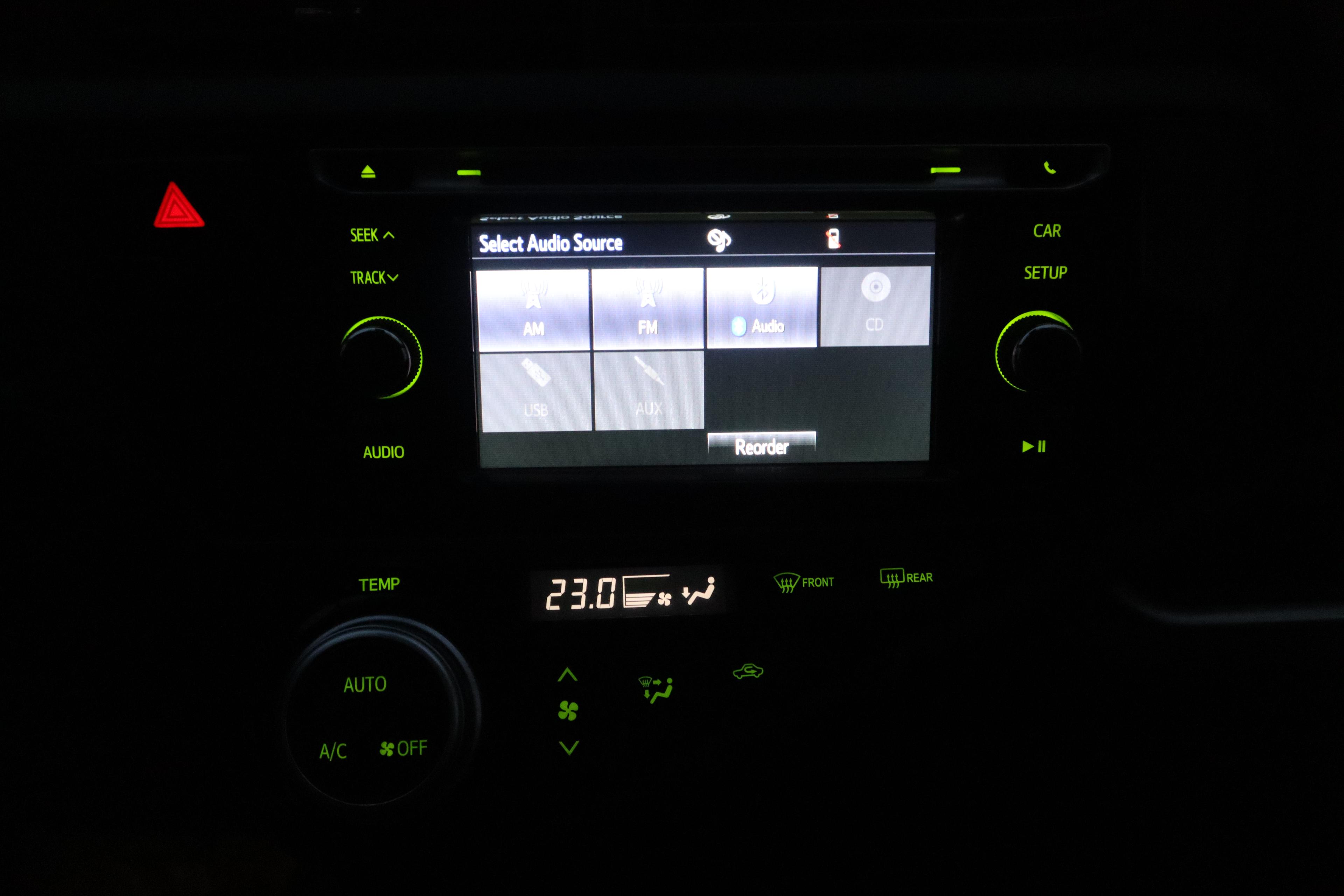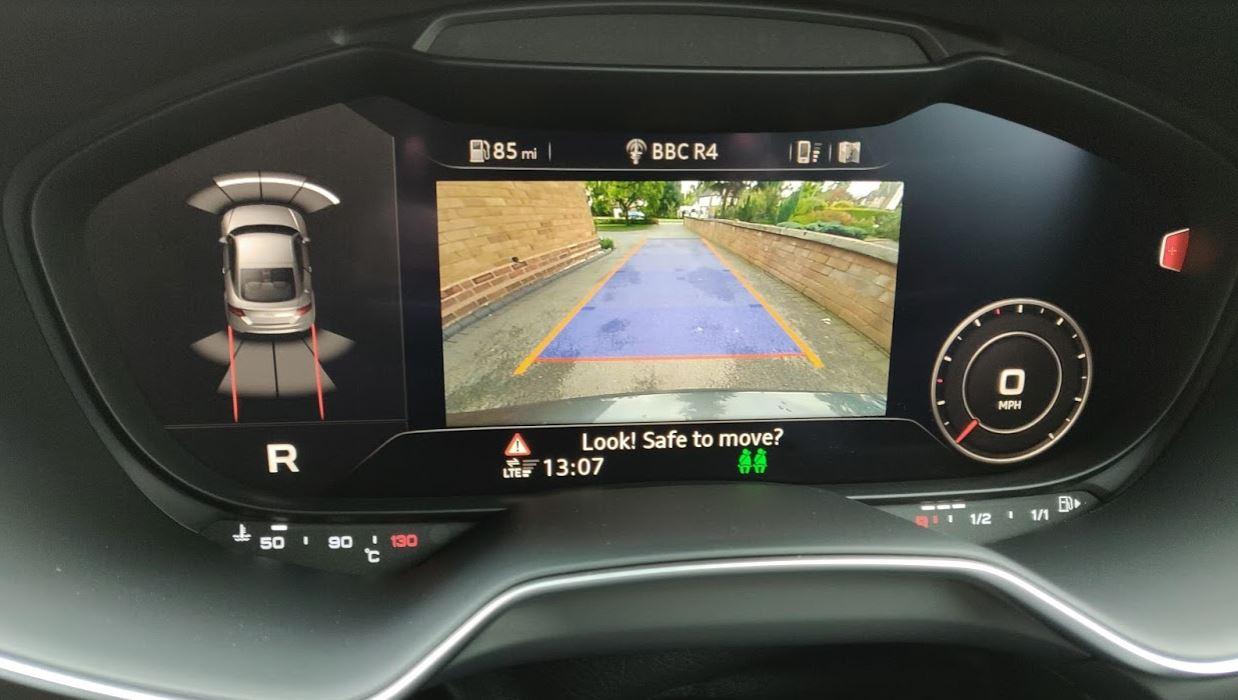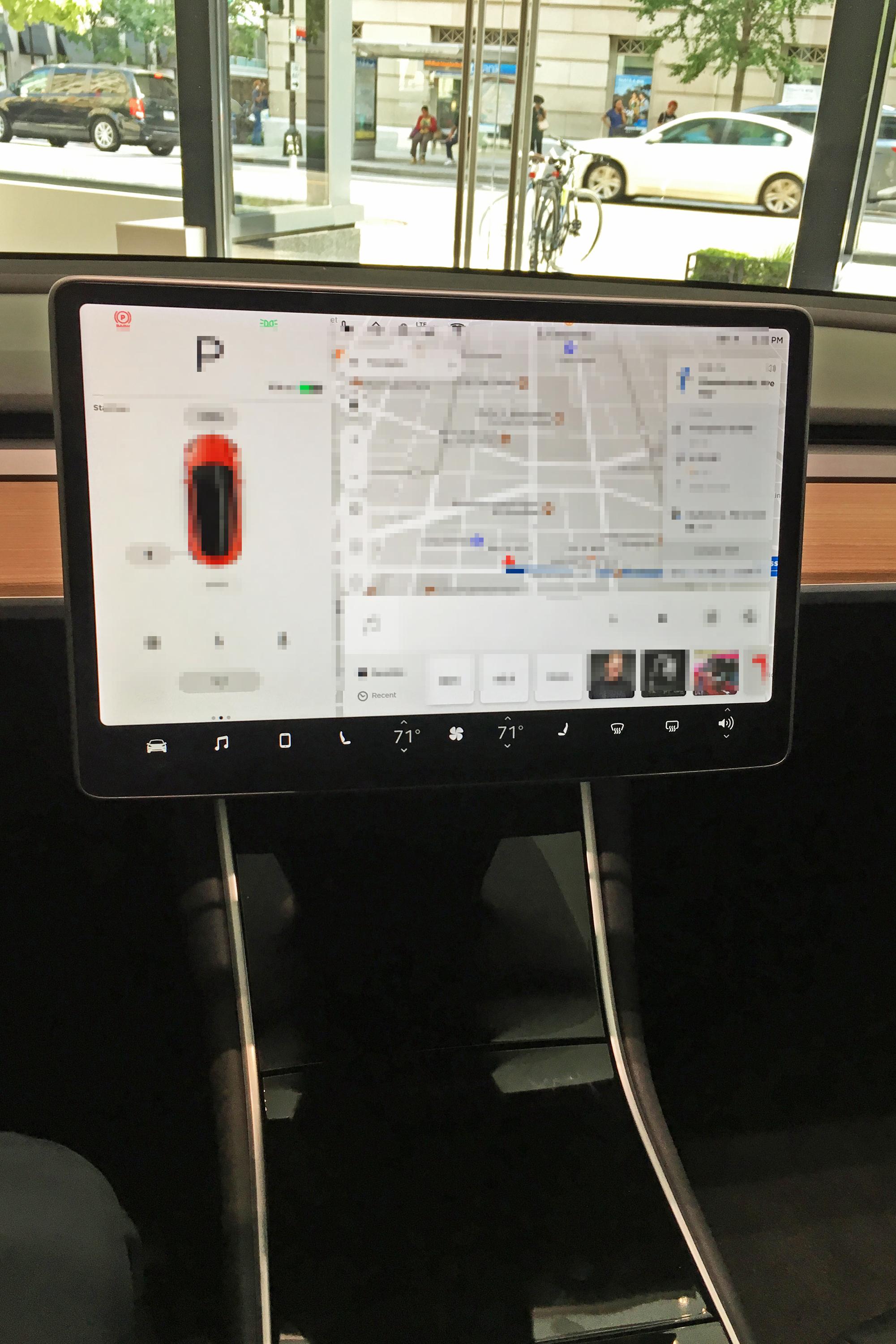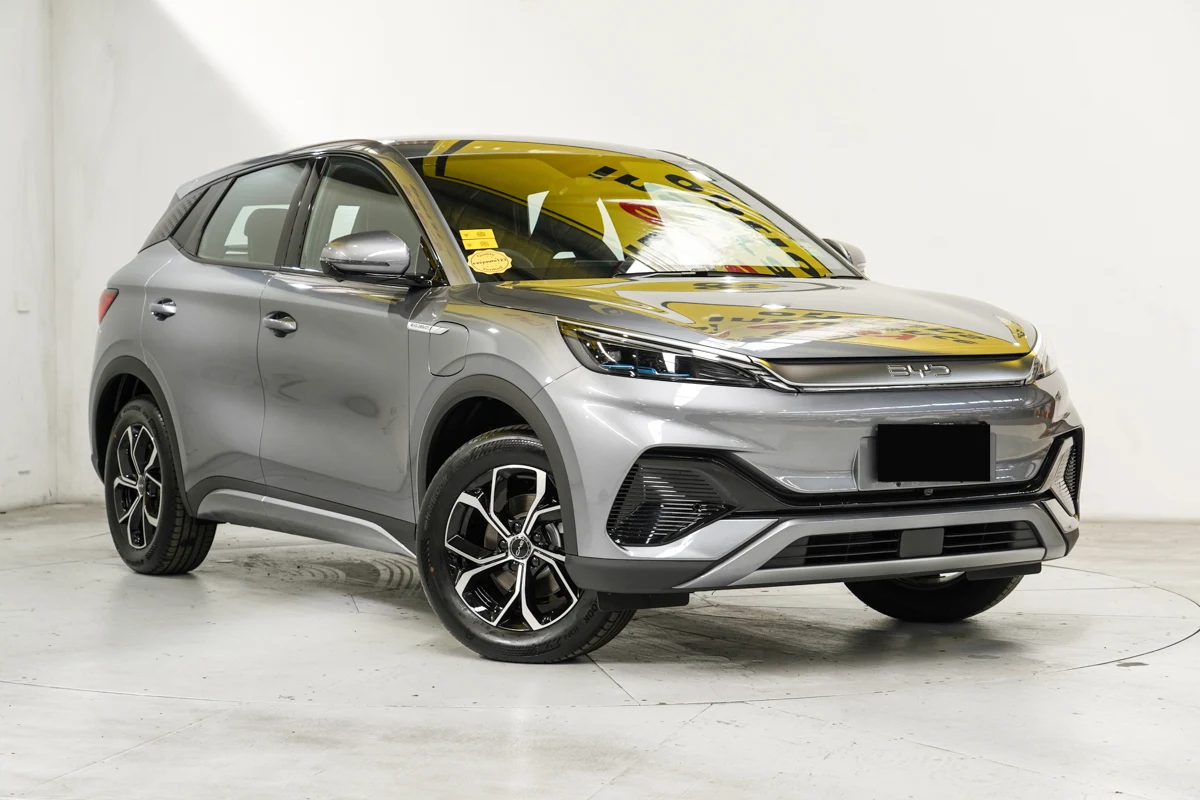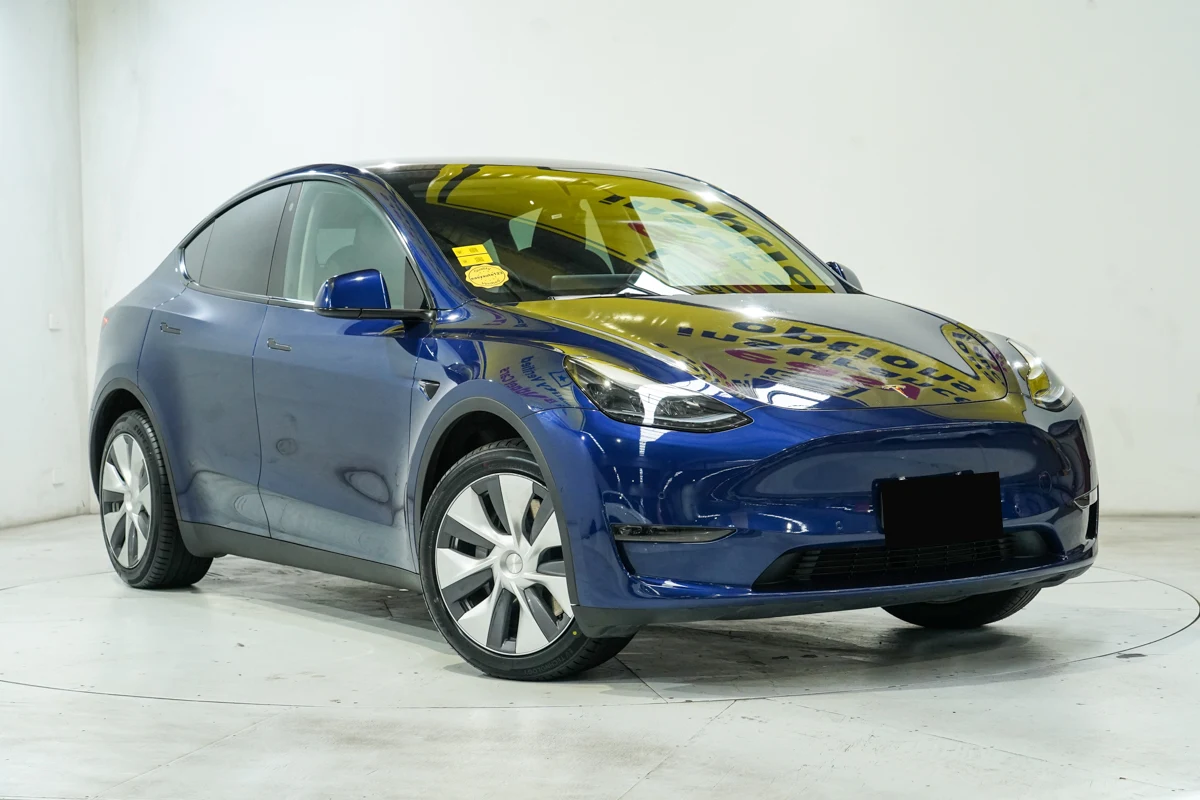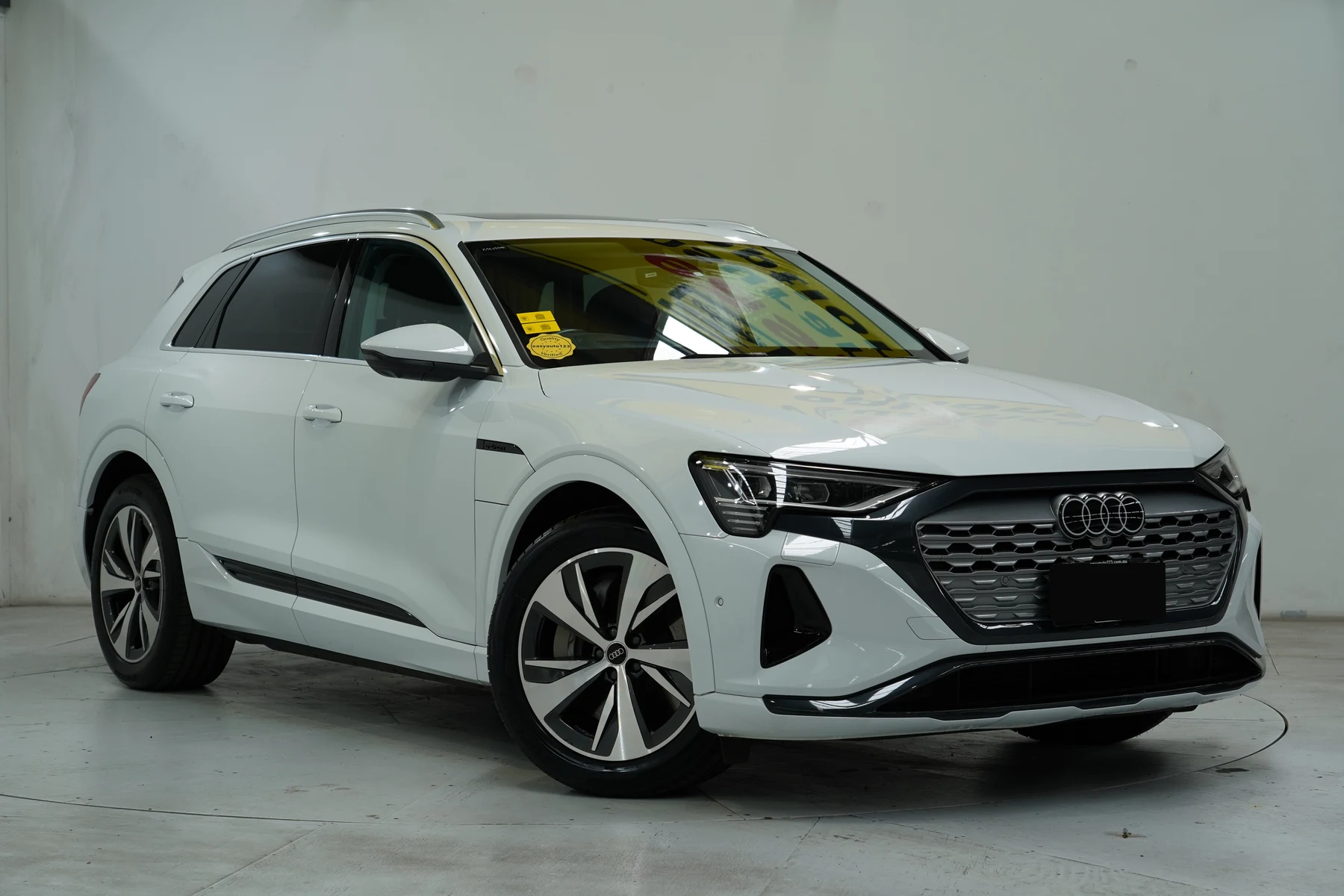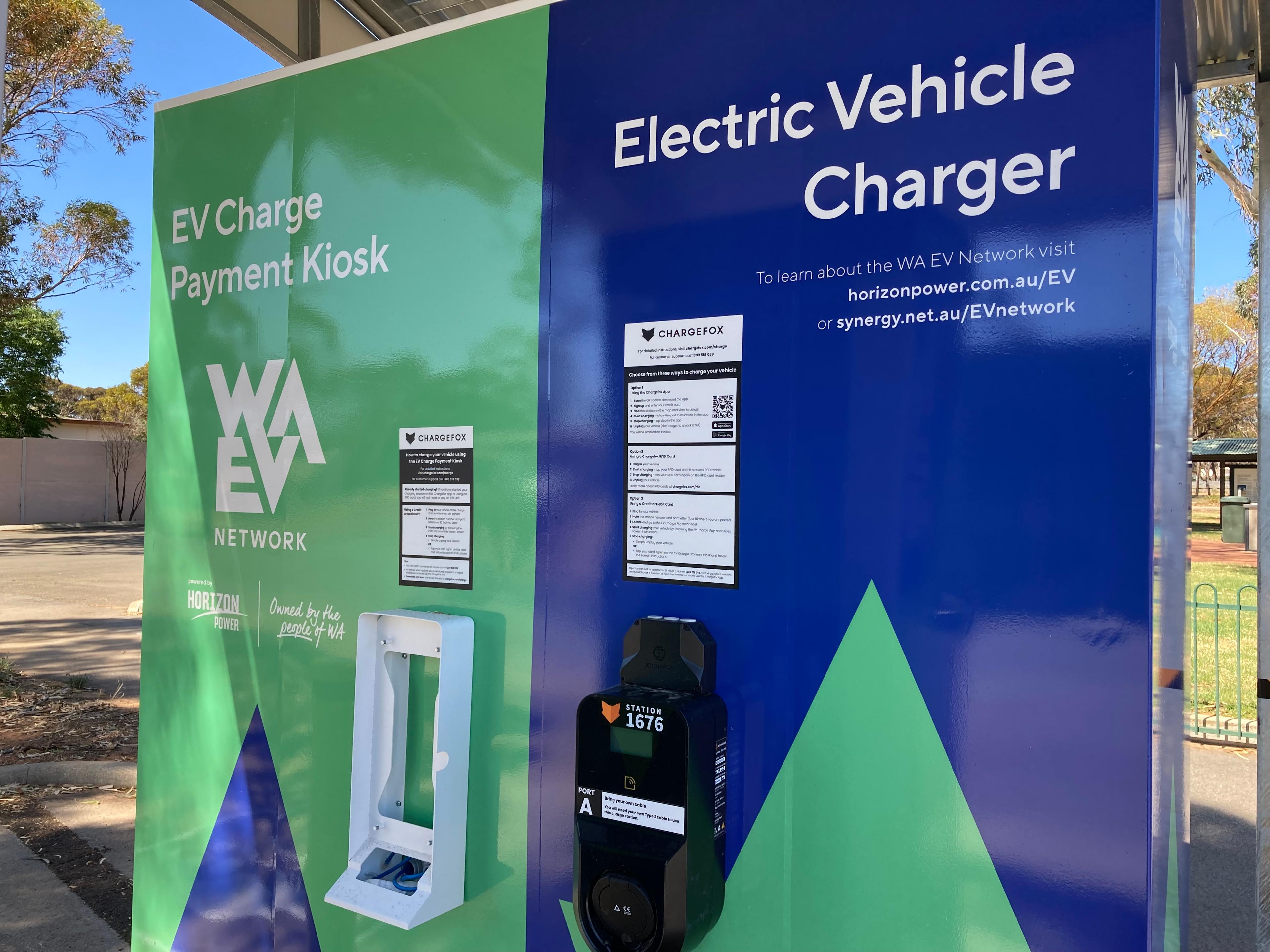
A WA EV Network charging station in Norseman, photographed in 2023. Illustrative public-charging context, not evidence of current tariffs. Previews may crop the photograph.
Photo: Chuq · CC BY-SA 4.0
Public EV charging prices need a whole-stop comparison. Record the displayed tariff for your car, the billing unit and any fee triggered by time, parking or staying connected after charging.
Tesla's Australian Supercharging guidance provides a useful example: site pricing is displayed in the app or vehicle interface, prices can vary, and additional congestion fees may apply. These are network-specific terms, not a tariff for every Australian charger.
Read the tariff before starting
Save a screenshot showing the station, connector, energy or time rate, any session charge and the conditions for extra fees. Record whether the price depends on membership or the vehicle using the charger.
Separate an operator's idle or congestion fee from the property's parking charge. Check both. Do not assume paying for energy includes unlimited parking or that every extra fee waits until the battery is full.
For the actual Tesla site, use its displayed fee conditions rather than a remembered nationwide dollar amount. Its charging terms distinguish idle and congestion arrangements and describe the communicated site-specific triggers.
Calculate the stop with labelled assumptions
This is a hypothetical example, not a current network price. Adding 30 kWh at $0.60 per kWh costs $18. If the chosen tariff also charged $1 per billable idle minute and you incurred six such minutes, the total would become $24 before any separate parking charge.
A second hypothetical station charging $0.70 per kWh would cost $21 for the same 30 kWh if no other fee applied. The first energy rate is lower, yet the delayed departure makes its illustrated total higher.
Do not copy those figures into a live trip budget. Replace every assumption with the station's displayed rate and the fee conditions that apply to your session.
Keep the invoice and the useful comparison
Record energy delivered, total payment, any fee and the time spent at the site. Compare cost per delivered kWh only after deciding whether parking or membership costs belong in your comparison.
Our EV running-cost overview considers broader ownership spending. One public session should not be used to promise an annual saving without your own charging mix and driving data.
If you are also changing cars, compare the purchase budget separately. For car-finance information, see Loanseekers and keep the vehicle purchase separate from these charging examples.