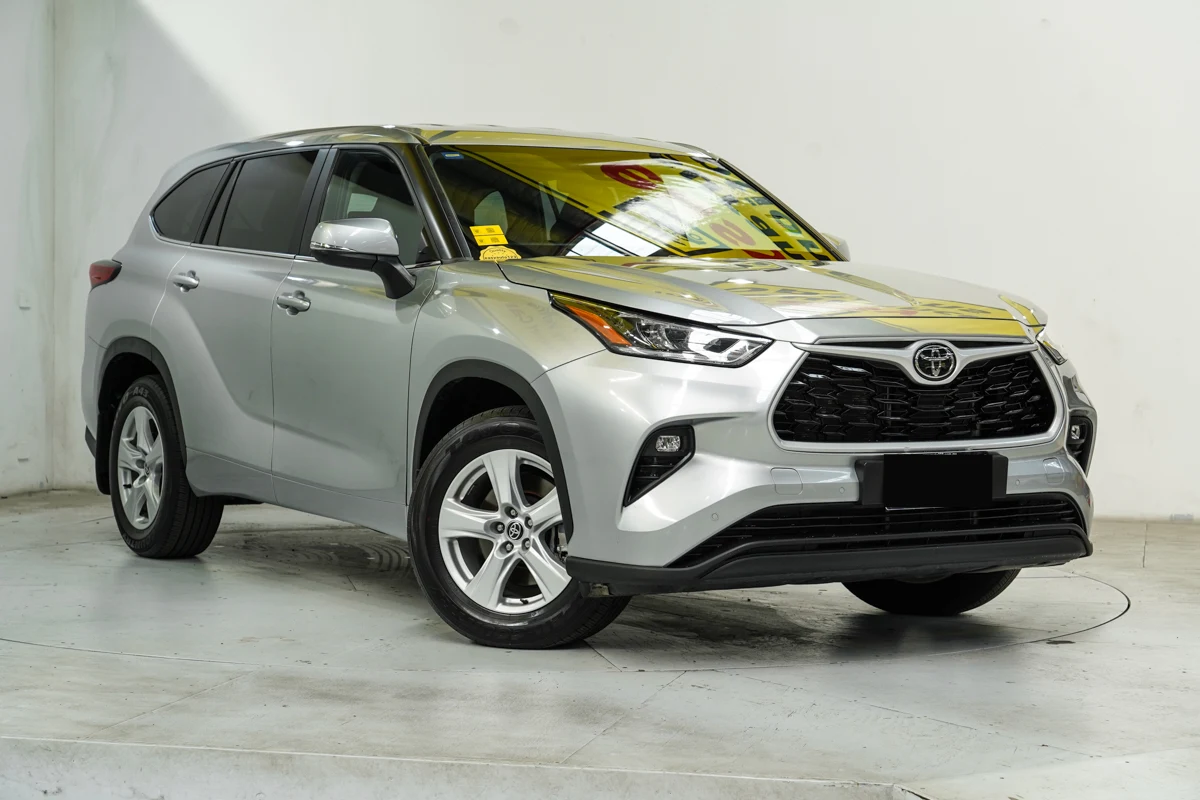
Toyota Australia has agreed to pay $750 million to settle the long-running Toyota DPF class action over faulty diesel particulate filters in HiLux, Prado and Fortuner vehicles. The deal covers more than 260,000 diesels sold here between 2015 and 2020, and it still needs the Federal Court's approval before anyone sees a dollar.
For owners, it is the end of a seven-year legal fight. For anyone shopping for a second-hand diesel Toyota, it is a reminder that a vehicle's history matters as much as its odometer.
What Toyota actually agreed to pay
The $750 million figure settles two separate class actions, known as the Williams and Taylor proceedings. Toyota has apologised to affected customers and says the settlement is subject to court approval.
The company also says it will keep offering the free-of-charge remedy it has had available since 2020. That repair is separate from any compensation payment.
How the money is split between owners has not been published yet. The Federal Court has to approve the terms first, so treat any per-vehicle figure you see quoted online with caution until the court signs off.
Which HiLux, Prado and Fortuner models are caught up
The claims cover diesel Toyota HiLux, LandCruiser Prado and Fortuner vehicles fitted with the 2.8-litre 1GD-FTV or 2.4-litre 2GD-FTV turbo-diesel engine. These were among the most popular vehicles in the country, so a huge number of them are still on the road and on the used market.
The Williams action covers people who acquired one of these diesels, new or used, between 1 October 2015 and 23 April 2020.
The Taylor action covers a narrower group. It applies to people who bought one of these vehicles privately between 24 April 2020 and 31 July 2025, directly from the person who bought it new, and who still own it.
Why the DPF problem became a class action
A diesel particulate filter traps soot from the exhaust and periodically burns it off. In these Toyotas, the system could clog during normal driving, leading to excessive white smoke, foul exhaust smells, higher fuel use and repeated unscheduled trips to the workshop.
The Federal Court found the affected vehicles were not of acceptable quality when first supplied because of the defective DPF system. It also found Toyota engaged in misleading or deceptive conduct when marketing and selling them.
The compensation figure then bounced through the courts. The trial judge assessed the loss in value at 17.5 per cent of the average retail price, the Full Federal Court cut that to 10 per cent, and in November 2024 the High Court sent the question back to be reassessed, taking the later repair into account.
A two-week hearing to settle that figure had been scheduled for October 2026. The settlement means owners avoid another round of court uncertainty.
Did you register? That is the real question
This is the part many owners will miss. The class action websites told group members they had to register by 4pm on 26 August 2026 to receive money from any settlement.
Group members who did not register remain part of the class, but they may not receive any money. The settlement terms may also stop them from bringing their own claim later.
If you owned one of these diesels during the eligible window and you are not sure where you stand, contact the legal team running the class action directly. Do not rely on a dealer, a forum post or the person who sold you the car.
Buying a used HiLux or Prado diesel after the settlement
The settlement does not make any individual vehicle more valuable, and it does not transfer a payout to the next buyer. If a seller pitches a 2017 HiLux as coming with "class action money", walk away from that argument and focus on the car.
A buyer purchasing from a dealer after 23 April 2020 falls outside the Taylor definition, which only covers private sales. So if you are buying now, compensation should play no part in the price you pay.
What does matter is whether the DPF repair has been done. Ask for the service invoice showing it, or have a Toyota dealer check the vehicle's history by VIN before you hand over a deposit.
On a test drive, watch for persistent white smoke, a strong exhaust smell or a dashboard DPF warning. Those are reasons to pause, get an independent inspection or negotiate harder.
How dealers will use DPF history against you
Expect trade-in valuers to raise the DPF issue when you sell one of these vehicles. A car with no record of the repair gives a dealer an easy reason to shave the offer, even if it has run perfectly.
The counter is paperwork. Keep the repair invoice and full service history together, and present them before the valuer starts talking numbers.
On the buying side, a dealer may push a pre-2020 diesel as a bargain without mentioning its history. If you are weighing alternatives, compare what is on offer across our listing of used utes in Victoria before committing to the first ute that fits your budget.
It is also worth knowing how consumer protections sit alongside manufacturer cover. Our guide to what a new car warranty actually covers explains why the Australian Consumer Law can still apply after a warranty runs out.
What this means for Toyota buyers in 2026
This case has reshaped how Australian courts treat defects that a manufacturer fixes years later. It also shows how long a consumer claim can take, even when the courts have already sided with owners.
For current buyers, the lesson is simple. Read the service history, confirm recall and remedy work is done, and never let a sales pitch about a payout stand in for a proper inspection.
How can Carseekers help?
Carseekers helps buyers source and compare cars, including diesel utes and 4WDs like the HiLux and Prado. We can help you understand what a fair price looks like and what history checks to insist on before you buy.
If you are planning to finance your next ute or 4WD, Loanseekers can help you compare car-finance options, subject to the vehicle, your circumstances and lender requirements.
The finer details
Your questions answered.
How much is the Toyota DPF class action settlement?
Toyota Australia has agreed to a $750 million settlement covering the Williams and Taylor class actions over defective diesel particulate filters. The deal is subject to approval by the Federal Court of Australia, and how the money is split between owners has not yet been published.
Which Toyota models are covered by the DPF class action?
Diesel Toyota HiLux, LandCruiser Prado and Fortuner vehicles with the 2.8-litre 1GD-FTV or 2.4-litre 2GD-FTV engine. The Williams action covers vehicles acquired between 1 October 2015 and 23 April 2020, new or used.
Can I still claim from the Toyota DPF settlement if I did not register?
Group members were told to register by 4pm on 26 August 2026 to receive money from any settlement. Unregistered group members remain in the class but may not receive any money, and the terms may stop later claims. Contact the class action's legal team to confirm your position.
Does the Taylor DPF class action cover used HiLux buyers?
Only some. It covers people who bought an affected vehicle privately between 24 April 2020 and 31 July 2025, directly from the original new-car buyer, and who still own it. Buyers who purchased from a dealer in that period fall outside that definition.
Should I avoid buying a 2015 to 2020 diesel HiLux or Prado?
Not automatically, but check its history. Confirm the free DPF repair Toyota has offered since 2020 has been done, ask for the invoice or have a Toyota dealer check the VIN, and get an independent inspection. Do not pay extra because a seller mentions class action money.
What are the signs of a DPF problem in a Toyota diesel?
Owners reported excessive white smoke, foul-smelling exhaust, higher fuel use and repeated unscheduled workshop visits. If you see persistent smoke or a DPF warning light on a test drive, pause the purchase and get the vehicle inspected before negotiating.