
EVs Are No Longer a Niche
For years, electric vehicle advocates talked about a tipping point. According to May's VFACTS data, released by the Federal Chamber of Automotive Industries, that point has arrived.
Battery-electric vehicles accounted for 20 per cent of all new car sales in Australia in May 2026, a record. Add in hybrids and plug-in hybrids and the combined electrified share sits at 46 per cent. Nearly half of every new car sold in Australia last month ran on at least some electric power.
Total new vehicle deliveries came in at 100,206 units for the month, down 4.8 per cent on May 2025. The market is softening overall, but electrified vehicles are bucking that trend with consistent growth.
BYD Is Now Australia's Second-Biggest Brand
Toyota held its position as Australia's best-selling brand in May with 16,342 units, which is unlikely to surprise anyone. What might surprise buyers who haven't been following the market is who came in second.
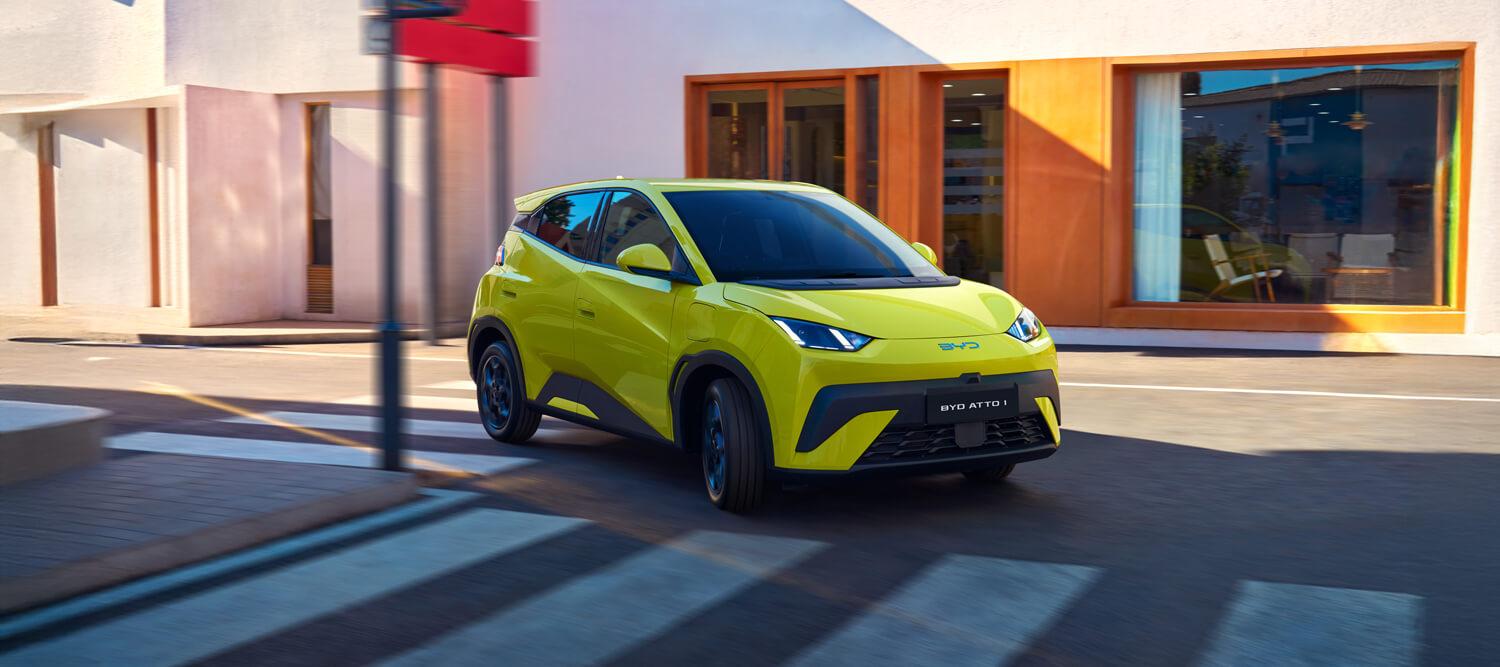
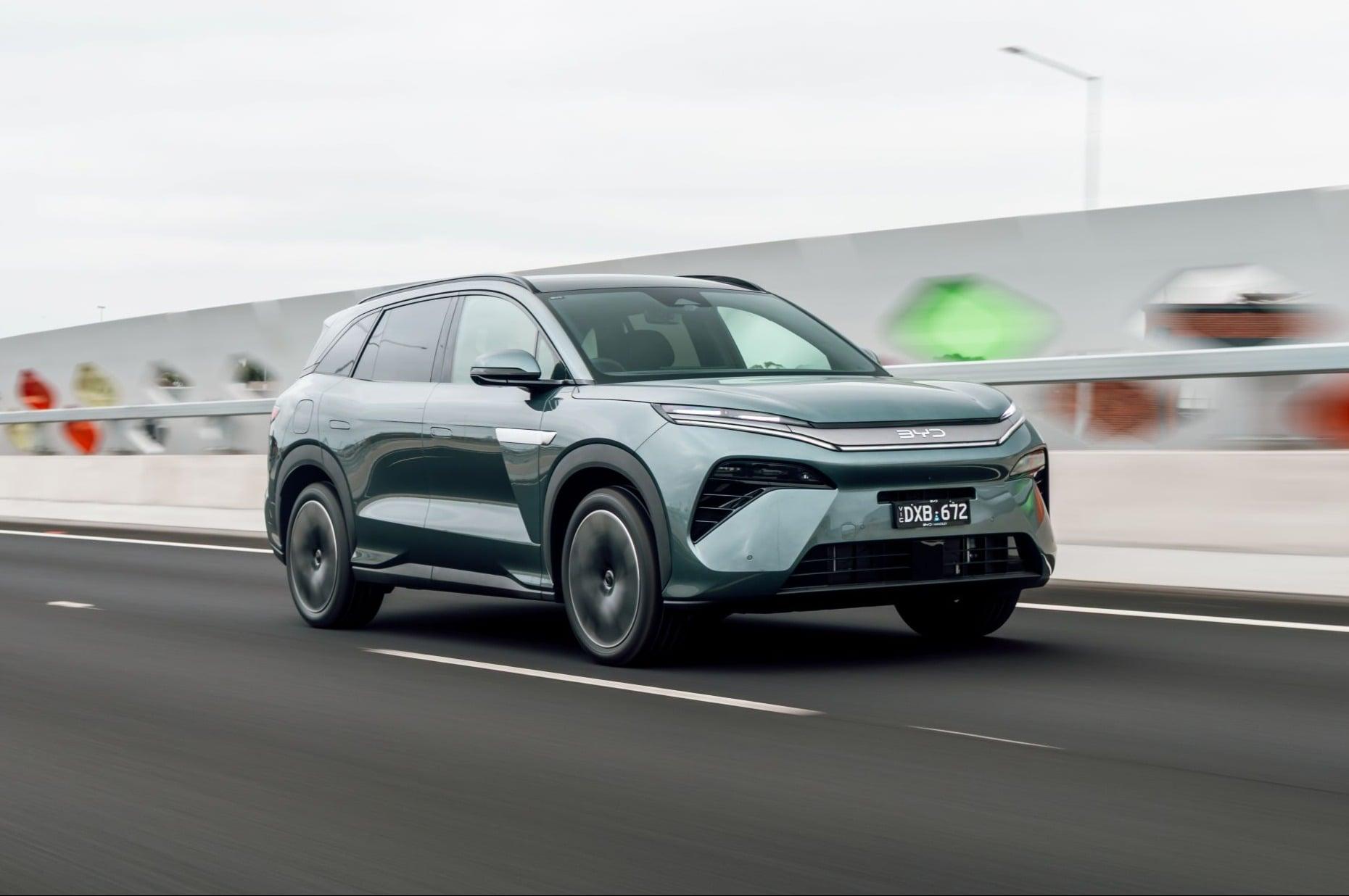
BYD delivered 8,211 vehicles in May, ahead of Ford (7,195), Hyundai (7,007) and Kia (6,761). That's a year-on-year increase of 155 per cent. For context, BYD was barely registering in Australian VFACTS data two years ago.
The broader Chinese brand surge is even more striking in percentage terms. Omoda Jaecoo recorded growth of 729 per cent year-on-year, while Geely increased by 416 per cent. These are not rounding errors. Chinese brands collectively are reshaping the competitive landscape at every price point.
Tesla Model Y Tops the Charts Outright
The Tesla Model Y didn't just lead EV sales in May. It led all vehicle sales in Australia, full stop. A total of 5,605 Model Y units were delivered, ahead of the Ford Ranger (4,474), Toyota HiLux (4,005) and Toyota RAV4 Hybrid (3,865).
Tesla's total May deliveries hit a record 6,433 units for the month, meaning essentially all of those were Model Y. This is the first time an EV has topped the overall Australian sales chart, and it represents a genuine landmark for the local market. You can read more about the Tesla Model Y's performance in our May 2026 VFACTS breakdown.
The result puts further pressure on the HiLux and Ranger, which have traded the top spot for years. Neither is going away, but the framing of the ute as Australia's national vehicle is now genuinely contested.
SUV Buyers Are Ditching Petrol at Pace
The shift is most dramatic in the SUV segment, which is Australia's largest vehicle category by volume.
Compared with May 2025, electric SUV sales increased by 167 per cent. Plug-in hybrid SUV sales surged by 377 per cent. Meanwhile, petrol-powered SUV sales fell 31 per cent and diesel SUV sales declined 41 per cent.
FCAI chief executive Tony Weber framed the change simply: today's SUV buyer is choosing electrified powertrains.
For any buyer currently shopping for an SUV under $60,000, this data has a practical implication. The resale landscape in two to three years will look different from today. Petrol SUVs that were dominant choices in 2023 will face stronger headwinds at trade-in time as the proportion of EV buyers increases. That's not a reason to panic, but it's worth factoring into your decision.
What the Numbers Mean If You're Buying Now
The 4.8 per cent overall market decline is relevant too. When total sales fall but EV sales surge, that tells you buyers are being selective. They're not not buying. They're buying EVs instead of petrol cars.
For buyers still sitting on the fence about EVs, the practical infrastructure picture is improving. The FCAI called for continued investment in public charging, noting the growing pressure on the network. That's a fair caution, but it should also be read as a commitment signal from the industry that charging expansion is coming.
For buyers already committed to petrol or diesel, the bargaining position has never been better in recent years. Petrol SUV sales fell 31 per cent. Dealers carrying petrol stock are under pressure. That translates directly to more room for buyers to negotiate.
For EV buyers, the record sales numbers mean high demand, which traditionally means less room to negotiate on popular models. The Tesla Model Y at record delivery numbers is unlikely to come with easy incentives. But lower-volume Chinese brands like Leapmotor, XPeng, or even Zeekr are still early enough in their Australian journey that motivated dealers exist.
The New Vehicle Efficiency Standard Is Doing Its Job
The FCAI specifically cited the New Vehicle Efficiency Standard (NVES) as a driver behind the expanding low-emissions vehicle range in Australia. The policy creates a commercial incentive for manufacturers to bring more EVs, hybrids and PHEVs to market, and May's numbers suggest it's working.
This matters for buyers shopping in 2026 and 2027. More models are coming. The PHEV segment in particular is filling rapidly, with options at nearly every price point from the sub-$40,000 Omoda Jaecoo range up to premium European offerings above $100,000.
If you're currently on a waiting list for a popular EV or PHEV, continued demand growth means those waits may not shrink as fast as hoped. Planning ahead and reserving early remains the best strategy for buyers who know what they want.
Carseekers connects Australian buyers directly with dealers for genuine pricing comparisons across every major brand, including BYD, Tesla, Kia and Toyota.
Considering finance for your next car? Loanseekers can help you explore car loan options.
The finer details
Your questions answered.
What was Australia's best-selling car in May 2026?
The Tesla Model Y topped all vehicle sales in Australia in May 2026 with 5,605 deliveries, beating the Ford Ranger (4,474), Toyota HiLux (4,005) and Toyota RAV4 Hybrid (3,865). It was the first time an electric vehicle has led the overall Australian monthly sales chart.
What percentage of new cars sold in Australia are electric?
Battery-electric vehicles (BEVs) reached a record 20 per cent market share in May 2026. Including hybrids and plug-in hybrids, electrified vehicles collectively accounted for 46 per cent of all new vehicle sales in Australia that month, according to VFACTS data.
How is BYD performing in Australia compared to other brands?
BYD finished second overall in Australian new car sales in May 2026 with 8,211 deliveries, ahead of Ford, Hyundai and Kia. Year-on-year growth for BYD was 155 per cent. Only Toyota, with 16,342 units, sold more vehicles in the month.
Are petrol SUV sales falling in Australia?
Yes. Petrol-powered SUV sales fell 31 per cent in May 2026 compared to May 2025, while diesel SUV sales declined 41 per cent. Over the same period, electric SUV sales rose 167 per cent and plug-in hybrid SUV sales surged 377 per cent. The shift in the SUV segment is accelerating.
Does the EV sales surge mean fewer deals on petrol cars?
The opposite. With petrol and diesel SUV sales down significantly, dealers carrying conventional stock are under pressure. That means motivated sellers and more room for buyers to negotiate on petrol and diesel models. If you're committed to a petrol car, your negotiating position has improved considerably compared to two years ago.
Will more EVs come to Australia in 2026 and 2027?
Yes. The New Vehicle Efficiency Standard (NVES) creates a commercial incentive for manufacturers to bring more low-emission vehicles to Australia. Combined with strong consumer demand, more EV, hybrid and PHEV models are expected across 2026 and 2027, particularly in the under-$60,000 SUV segment where competition is already intense.