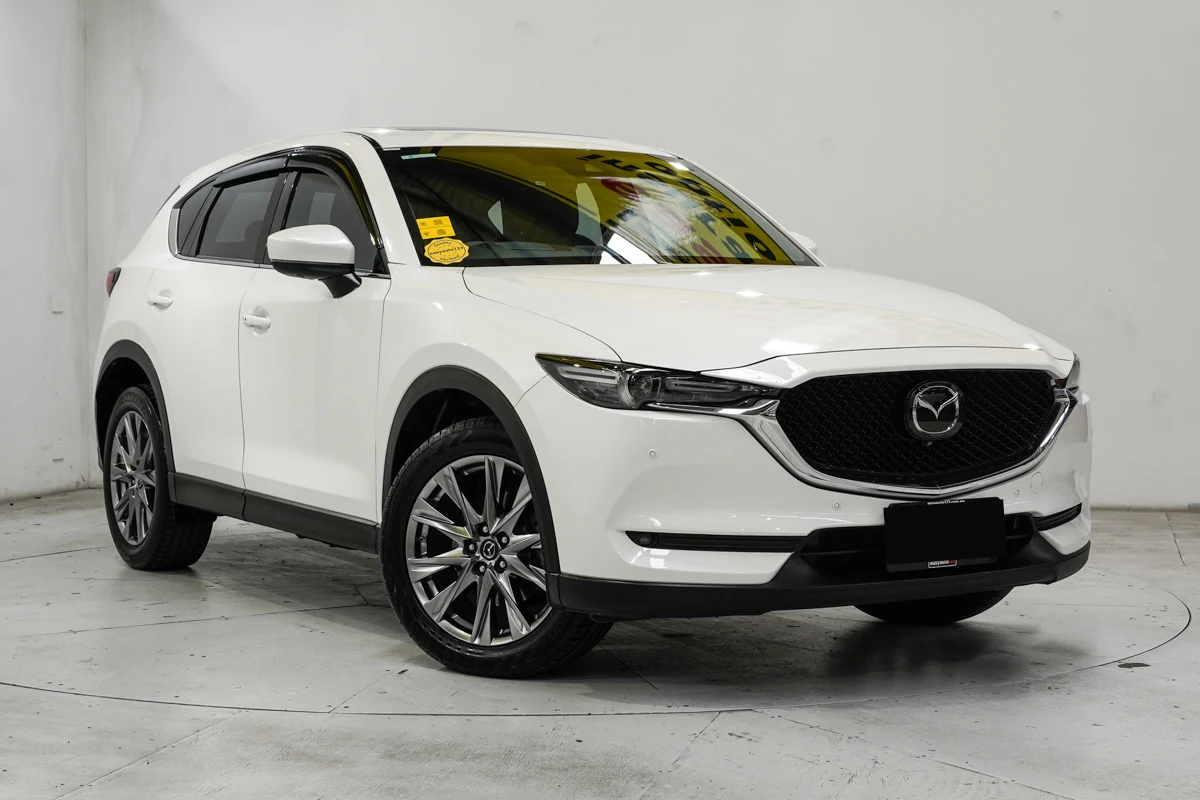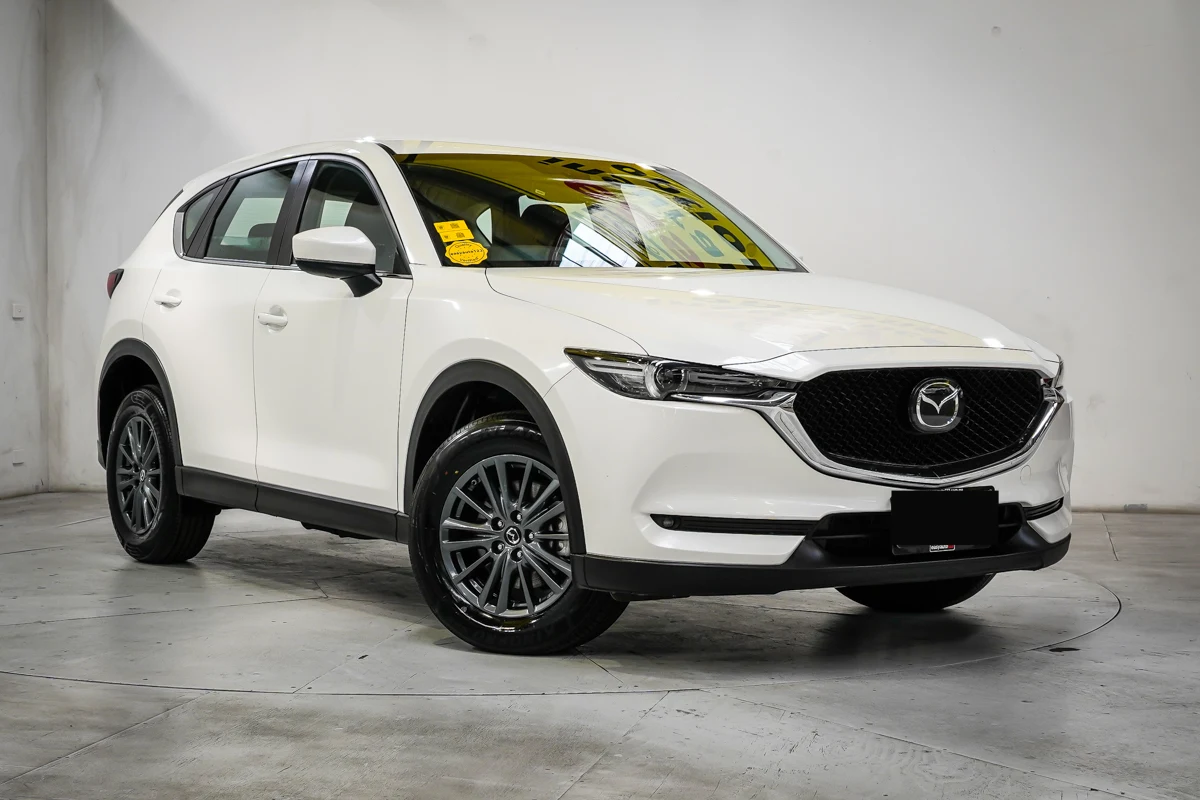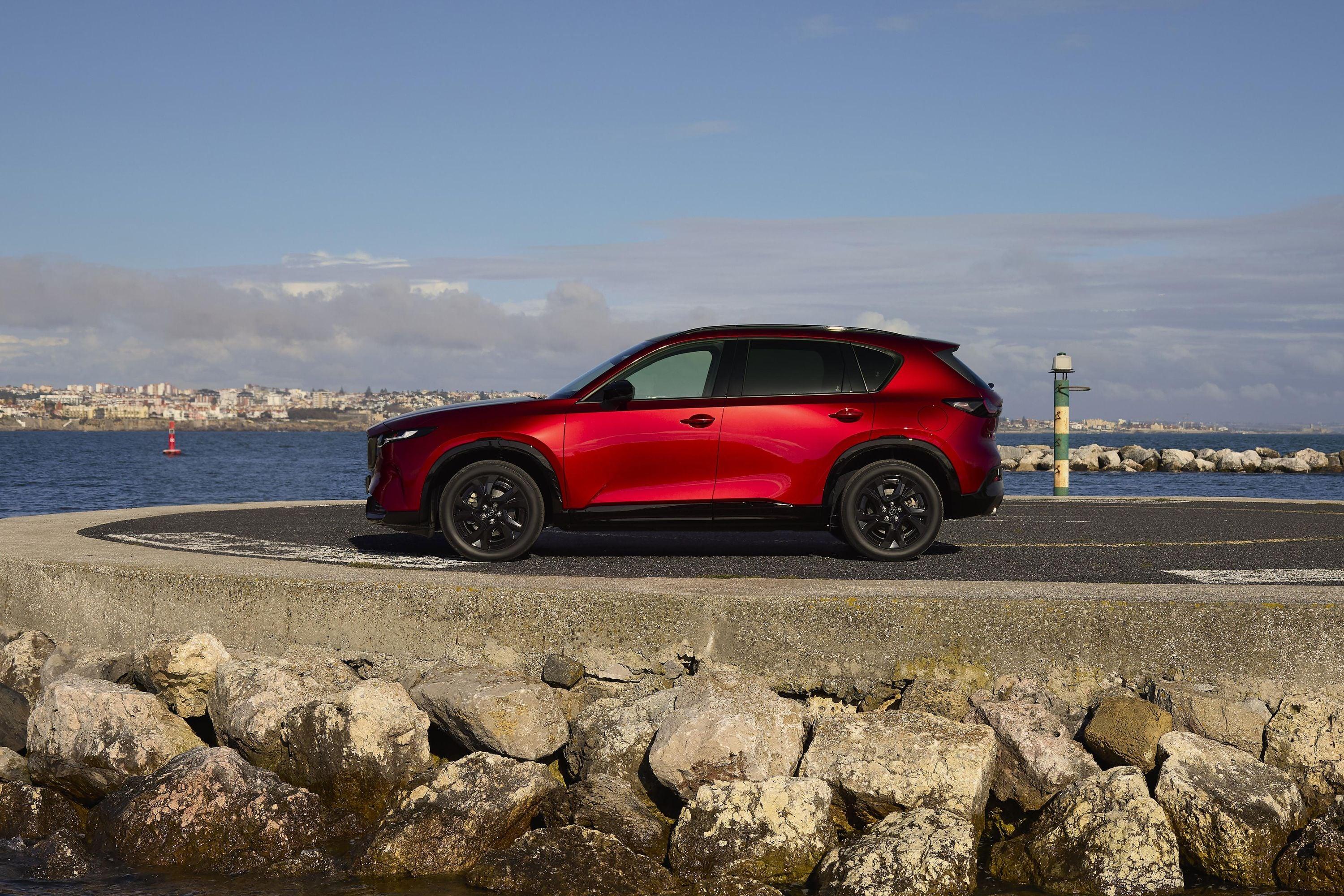
Mazda could have borrowed hybrid technology from Toyota. It's done it before. This time, it chose not to, and the reasoning reveals a lot about where Mazda is heading.
What's Happening
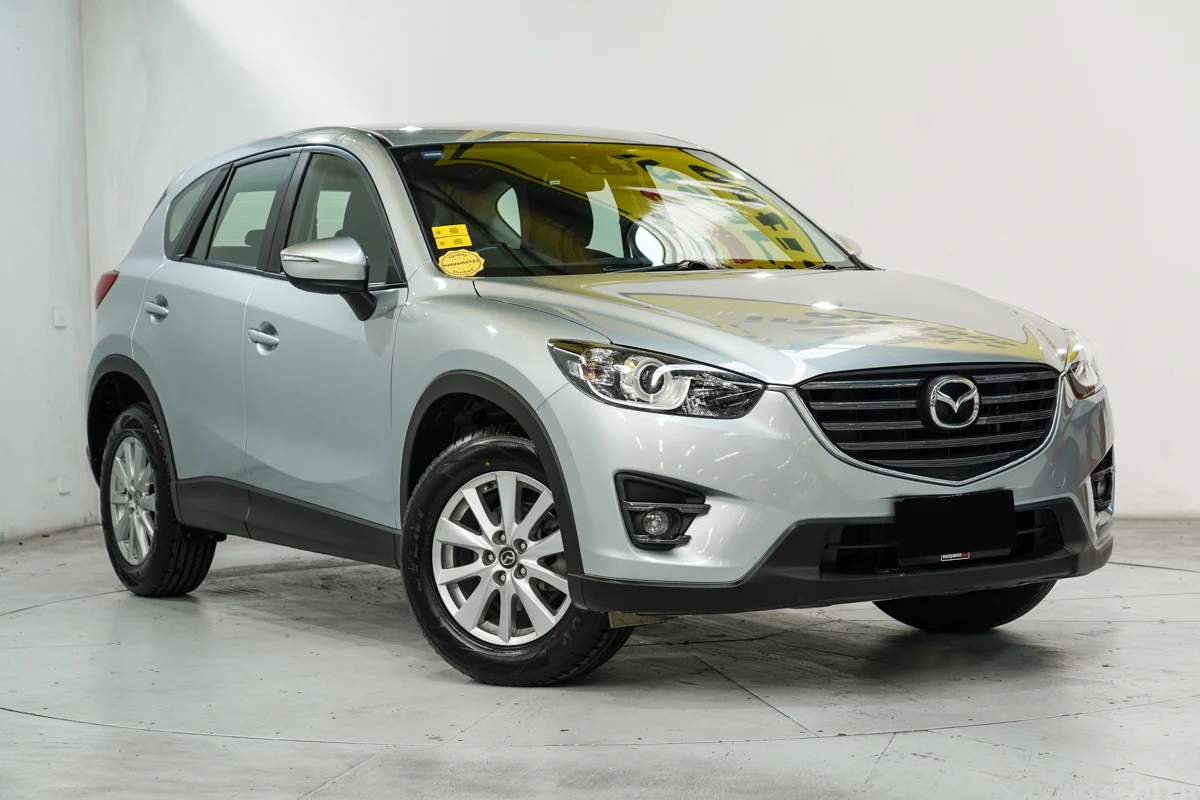
Mazda has confirmed that the next evolution of the CX-5 will include a new in-house hybrid powertrain, branded as the Mazda Hybrid system, expected to launch in 2027. This is a separate development from the 2026 CX-5 that is arriving in Australia now with conventional petrol powertrains.
The decision to develop a proprietary system rather than lean on Toyota's proven hybrid technology is deliberate. Mazda uses a Toyota-sourced hybrid system in the CX-50 sold in international markets, so the option existed to do the same here. Instead, Mazda's global sales and marketing team has confirmed they chose to build their own.
The reasoning comes down to product differentiation and the Mazda driving philosophy. Mazda wants its hybrid to behave like a Mazda, not like a Toyota hybrid that happens to wear a Mazda badge. The driving experience, the power delivery, the throttle response, and the fuel efficiency balance are all designed around Mazda's own engineering priorities rather than a shared platform with a rival brand.
Developing a new powertrain from scratch takes significantly more time and investment than licensing existing technology. The 2027 timeline reflects that reality. Mazda is accepting a later-to-market position in exchange for full ownership of the technology and the ability to tune it to their exact specification.
Why This Matters for Buyers
If you're considering the 2026 CX-5 and wondering whether to wait for the hybrid variant, this is the question you need to answer for yourself: is a Mazda-engineered hybrid worth waiting 12 to 18 months longer?
The practical implication for buyers is a two-phase product cycle. The petrol-powered 2026 CX-5 is the version launching now. It is the car you can buy today and take delivery of in mid-2026. The hybrid follows later, and when it does arrive, it is likely to command a price premium over the petrol variants.
From a resale value perspective, hybrid powertrains consistently hold value better than their petrol counterparts in the Australian market, particularly as fuel prices remain unpredictable and buyer preference continues to shift toward electrified options.
Timing Your Purchase
If fuel economy is your top priority, it is worth waiting for the hybrid. The 2027 arrival window means you are looking at a roughly 12-month delay from the petrol launch. That is not a trivial wait, but it is not excessive for a buyer who is going to keep the car for five or more years.
If you need a car now, the petrol 2026 CX-5 is a genuine product with real value. Don't let the future hybrid delay undermine a purchase decision that makes sense for your current situation.
If you're planning ahead, watch Mazda's local announcements closely in late 2026. The hybrid pricing and specification details will likely be confirmed before the end of that year, giving you time to assess whether the premium is justified.
How to Use This to Your Advantage
Use the hybrid announcement as a negotiating tool with dealers selling the petrol variants. The knowledge that a more advanced version is coming in 2027 is a legitimate reason to push harder on pricing for the 2026 petrol car. Dealers know this too, and savvy ones will be doing their best to move petrol stock before the hybrid launch creates a distraction.
Ask your dealer directly whether they expect the hybrid to be offered as a direct replacement or as an additional grade. That answer will tell you a lot about how Mazda plans to position it commercially.
Final Word
Mazda is taking a harder road to get the right result. A hybrid built to their own standards, rather than a borrowed solution, is a better long-term product for Australian buyers. The wait will be worth it for those who can afford the patience.
Considering finance for your next car? Loanseekers can help you explore car loan options.
The finer details
Your questions answered.
Why isn't Mazda using Toyota's hybrid system in the new CX-5?
Mazda chose to develop its own hybrid system to maintain control over the technology and differentiation from Toyota. Mazda has an existing alliance with Toyota for certain products but has historically prioritised its own engineering identity. Building a proprietary hybrid also gives Mazda the ability to tune the system for its specific driving character goals.
When will the Mazda hybrid CX-5 arrive in Australia?
Mazda has confirmed the hybrid CX-5 is expected to launch in 2027. The 2026 CX-5 arriving now uses conventional petrol powertrains. If hybrid fuel economy is important to your decision, waiting for the 2027 hybrid or considering a Toyota RAV4 hybrid or Hyundai Tucson hybrid are the current alternatives.
Is Mazda's own hybrid system better than Toyota's hybrid system?
Toyota's hybrid system has decades of refinement and a global track record that makes it the benchmark for reliability and efficiency in the mass-market segment. Mazda's system is new and unproven at scale. Whether it matches Toyota on real-world efficiency and long-term durability will only be established after several years of owner data.
Does Mazda have hybrid cars available in Australia right now?
Yes. The Mazda CX-60 is available in Australia with a plug-in hybrid drivetrain. The CX-90 also offers PHEV configuration. The standard CX-5 range does not currently have a hybrid, which is the gap the 2027 hybrid variant will address.
How will the Mazda hybrid CX-5 compare to the Toyota RAV4 hybrid on fuel economy?
Until Australian specifications and real-world data are available, direct comparison is not possible. Mazda will be targeting a combined consumption figure competitive with the RAV4 hybrid's approximately 5.8L/100km. Whether Mazda's new system achieves comparable real-world figures depends on the architecture and tuning that have not been confirmed.
Should I buy the 2026 petrol CX-5 now or wait for the 2027 hybrid?
If fuel economy is your primary concern, waiting for the 2027 hybrid is rational. If you need a mid-size SUV now and the petrol CX-5 meets your budget, the 2026 model is a strong car on its own merits. The petrol version will likely attract modest runout discounts once the hybrid is announced, which may make it better value at that point.