
Your next Toyota is about to get pricier
Toyota has told investors that building its cars is getting more expensive, and it plans to recover about half of those higher costs through price rises. That is not a distant threat. The new-generation models are already carrying the increase.
The maker has signalled it will stagger the rises rather than apply them all at once, watching how buyers respond before pushing further. For anyone shopping a Toyota, the direction of travel is only one way.
What it means for the RAV4, HiLux and bZ4X
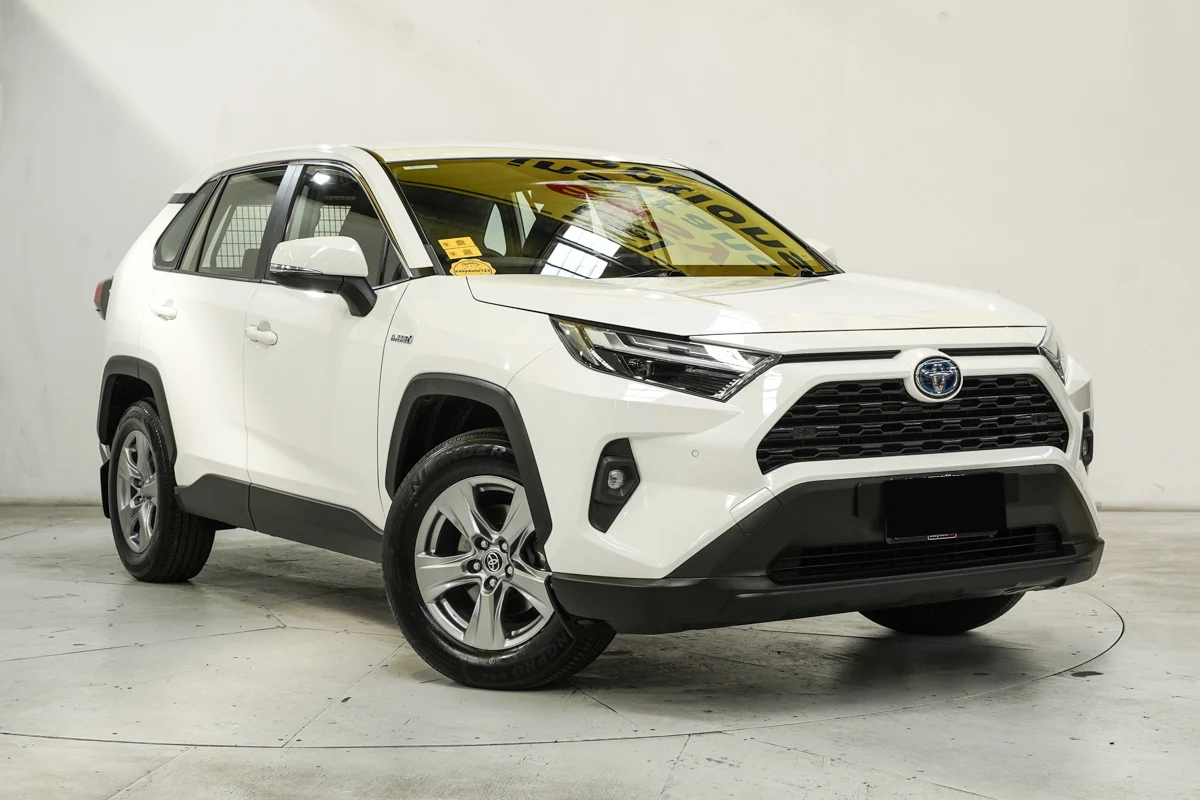
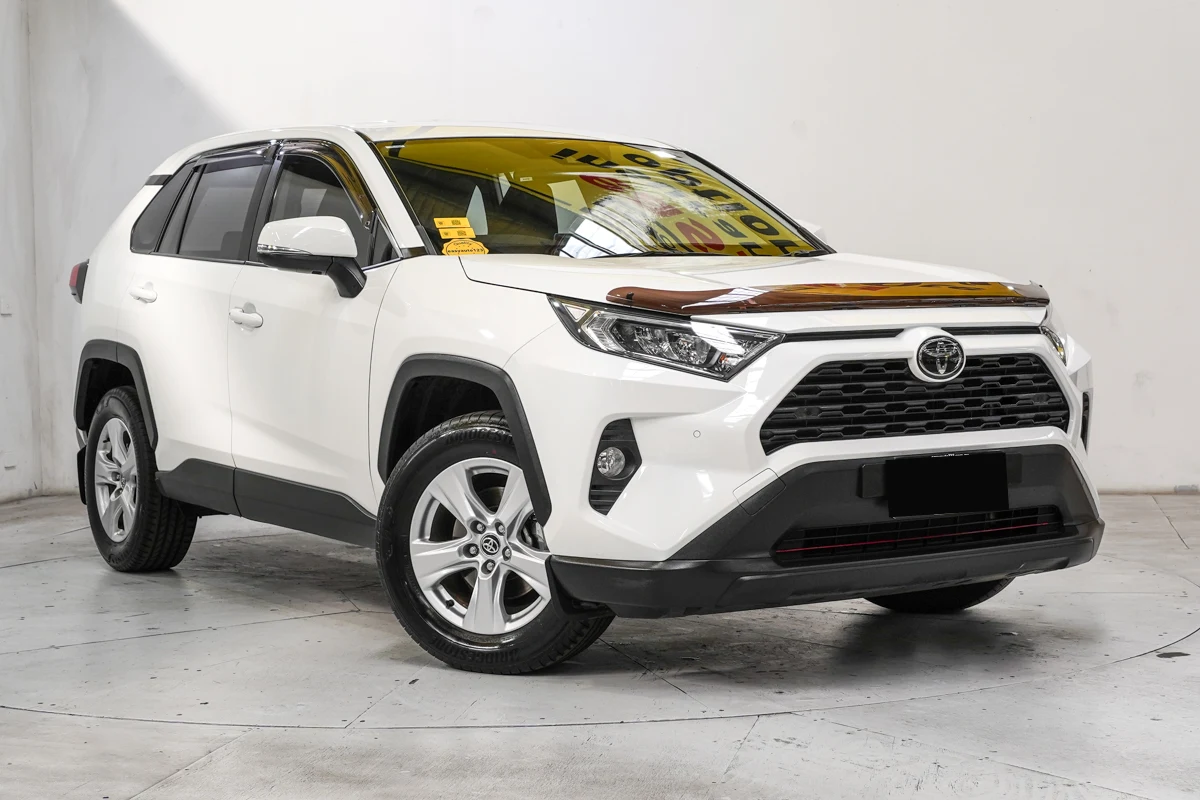
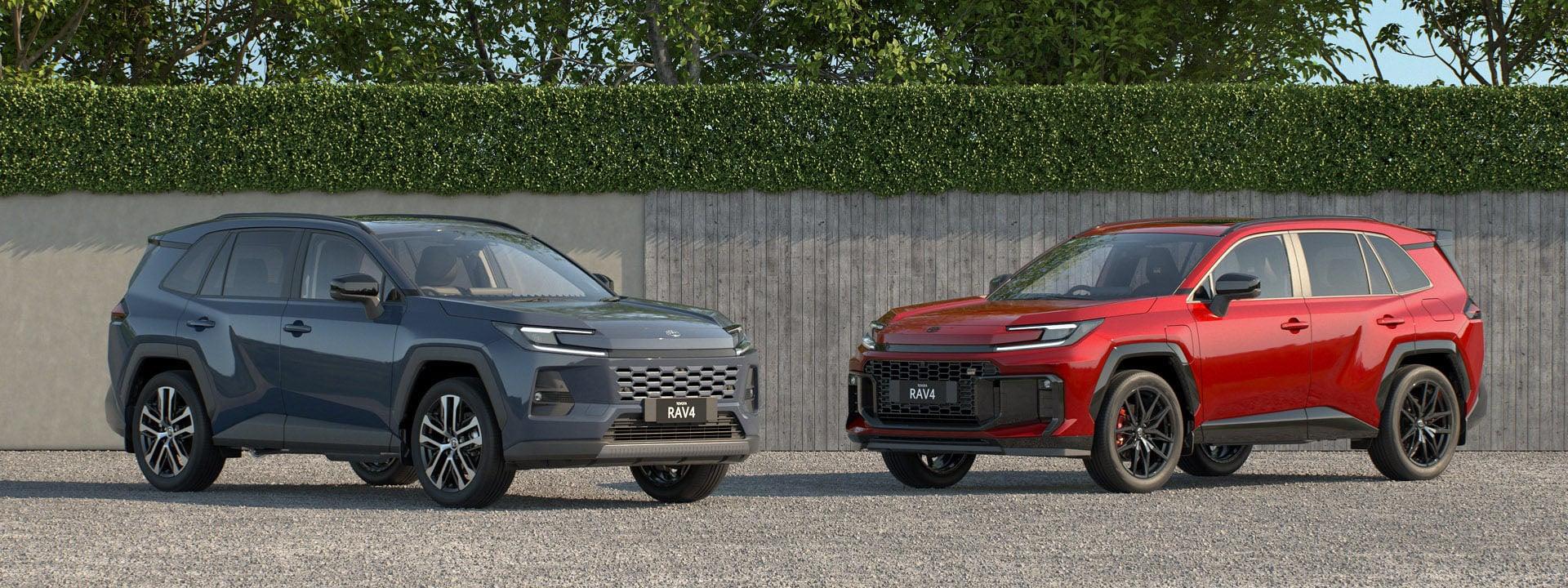
The models most Australians actually buy are leading the change. The new RAV4 now opens at $45,990 plus on-road costs for the entry GX 2WD Hybrid, almost $4000 more than the model it replaces.
Move up the range and the gap grows. Higher grades like the Cruiser 2WD, now from $56,990, are closer to $6000 dearer than before. Toyota points to extra standard equipment, but the sticker is the sticker.
The HiLux and the electric bZ4X sit alongside the RAV4 as the models Toyota is prioritising, which is exactly where demand and pricing pressure are concentrated.
Why Toyota is comfortable charging more
Part of this is raw cost. Part of it is strategy. Toyota has openly said it is moving the RAV4 into a more premium space rather than fighting cheap Chinese newcomers on price.
That is a deliberate call. The brand has admitted it cannot match the emerging Chinese makers on an entry-level price point, so it is stepping upmarket instead and letting the badge carry the extra dollars.
For buyers, the value equation is shifting. A Toyota is no longer automatically the sensible-money choice in its class, and it pays to check what the newer brands are asking.
The wait list is doing Toyota a favour
Wait times on the popular Toyotas still run into months, not weeks. When a car sells faster than it can be built, the maker has little reason to discount and the dealer has little reason to negotiate.
The RAV4 remains the best-selling vehicle in the country, and the order book is heavy. A queue that long hands the leverage to the seller, not to you.
Extra stock arriving late in the year could ease the wait a little, but it is unlikely to trigger real discounting while demand stays this hot.
How to avoid paying the full increase
A rising list price does not mean you have to accept the first drive-away figure a dealer quotes. Knowing the genuine market price before you walk in is the single biggest lever a buyer has.
That is exactly why we built Carseekers, and our guide to getting the best price on a new car walks through how to do it. Walk in with the number, not a hope.
The other half of the bill is the finance. Dealer finance is where a chunk of the increase quietly gets recovered through a padded interest rate, so comparing lenders matters more when the car itself costs more. Loanseekers compares more than 70 lenders so you avoid overpaying on the loan, the same way Carseekers helps you avoid overpaying on the car.
Should you buy now or wait?
If you need a Toyota and the exact model you want is available at today's price, waiting mainly risks paying more later. Toyota has signalled the trend is up, not down.
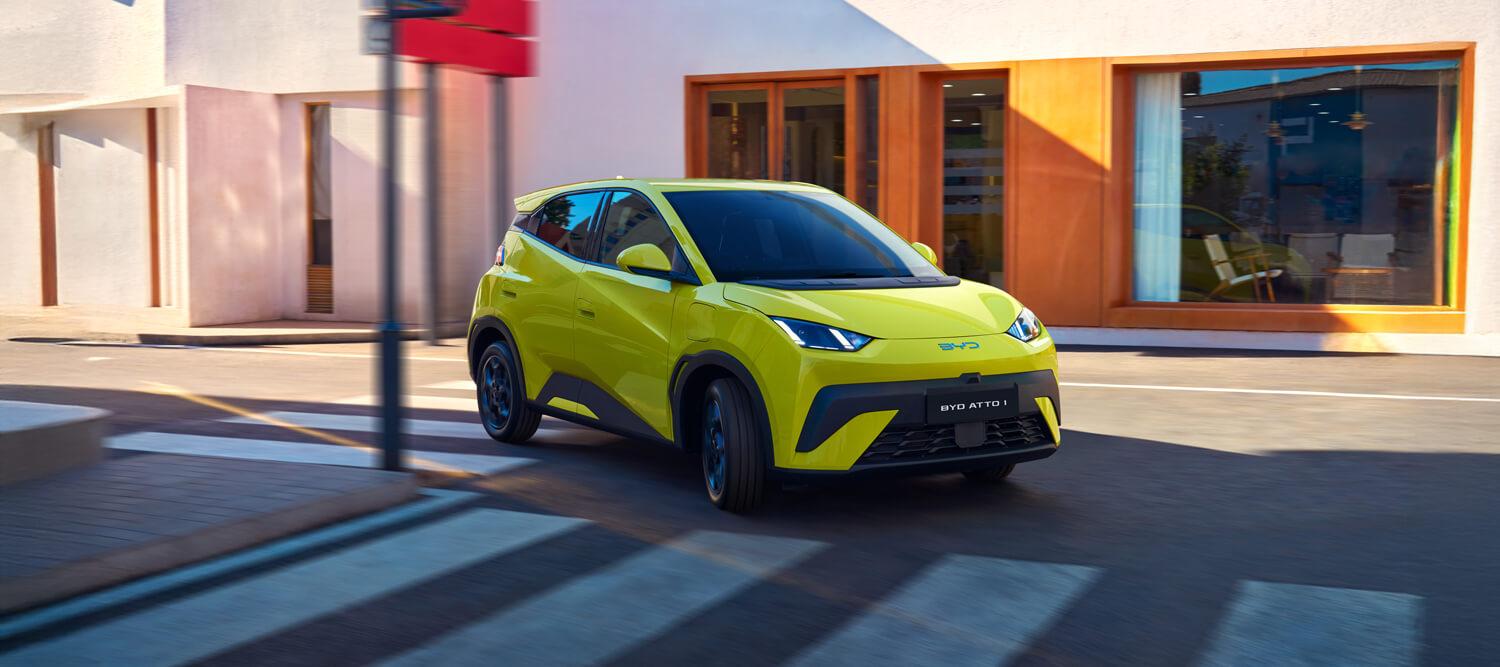
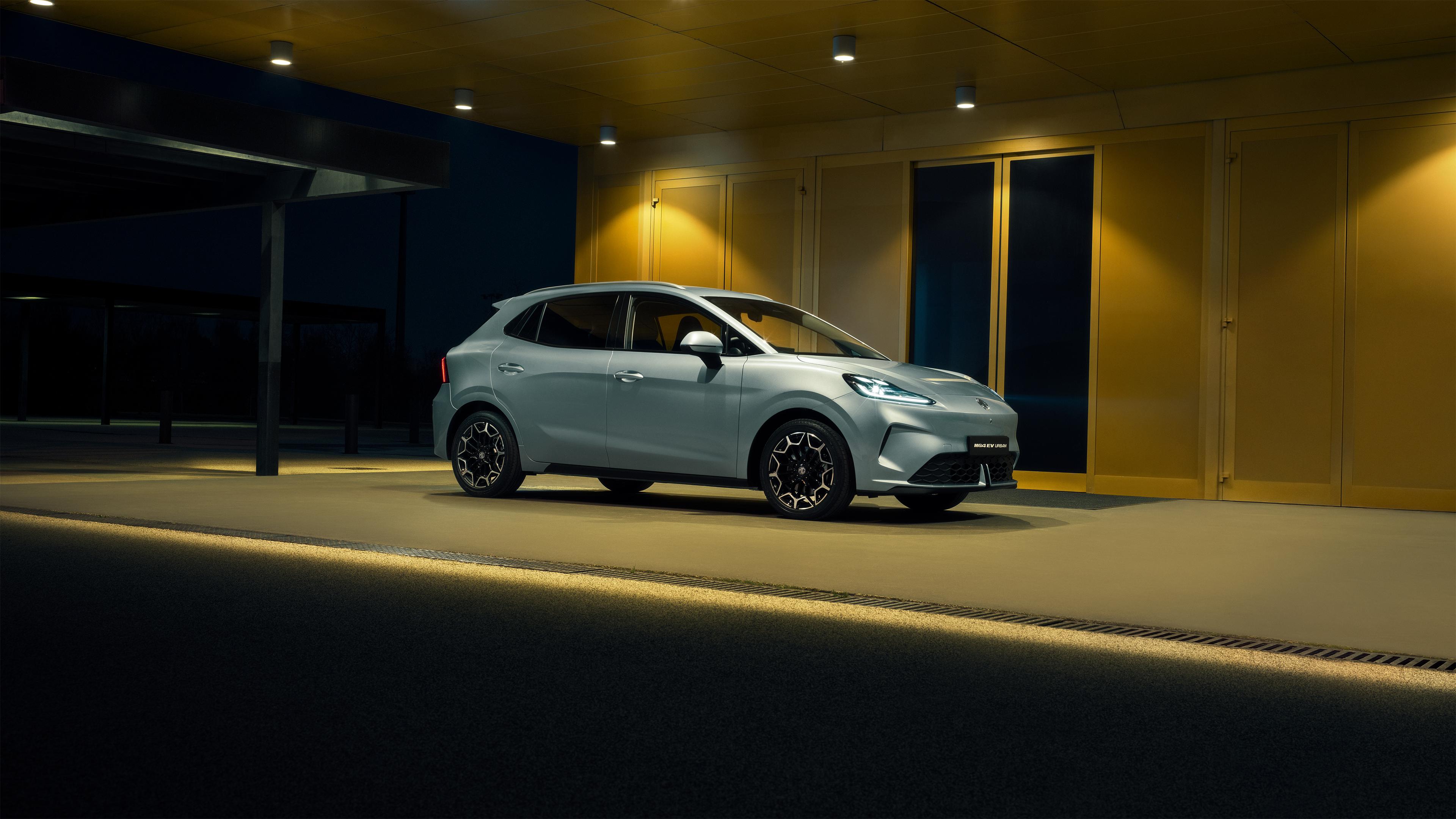
If you have flexibility, cross-shopping is smarter than ever. The Chinese brands Toyota is worried about are undercutting it hard, and a RAV4 rival from BYD, GWM or Chery may deliver most of what you want for thousands less.
Let the price rise push you to compare rather than rush. The buyers who lose here are the ones who assume a Toyota is still the default value pick without checking the maths.
The finer details
Your questions answered.
How much is the Toyota RAV4 going up in price in Australia?
The new RAV4 now starts at $45,990 plus on-road costs for the entry GX 2WD Hybrid, almost $4000 more than the model it replaced. Higher grades such as the Cruiser 2WD, from $56,990, are closer to $6000 dearer, with Toyota pointing to added standard equipment.
Why is Toyota raising its prices?
Toyota has told investors that building its cars is getting more expensive and that it intends to recover about half of those higher costs through price revisions. It is also deliberately moving models like the RAV4 upmarket rather than competing with cheaper Chinese brands on entry-level pricing.
Which Toyota models are affected by the price rises?
The increases apply broadly across the range, but the RAV4, HiLux and bZ4X are the models Toyota is prioritising and the ones buyers should watch most closely. These are also the vehicles Toyota is securing extra stock for in Australia this year.
How long is the wait for a new Toyota in Australia?
Wait times on the popular Toyotas still run into months rather than weeks. Long queues reduce any pressure on Toyota or its dealers to discount, which is part of why prices keep climbing.
Should I buy a Toyota now or wait for prices to settle?
Toyota has signalled prices are heading up rather than down, so waiting mainly risks paying more later. If the exact model you want is available at today's price and you need it, buying now is defensible, but it is worth cross-shopping newer rivals first.
What are the cheaper alternatives to a Toyota RAV4?
Chinese brands such as BYD, GWM and Chery are undercutting Toyota hard and offer midsize SUVs that deliver much of what the RAV4 does for thousands less. Comparing the real drive-away price and the finance on each is the smart way to see the true gap.