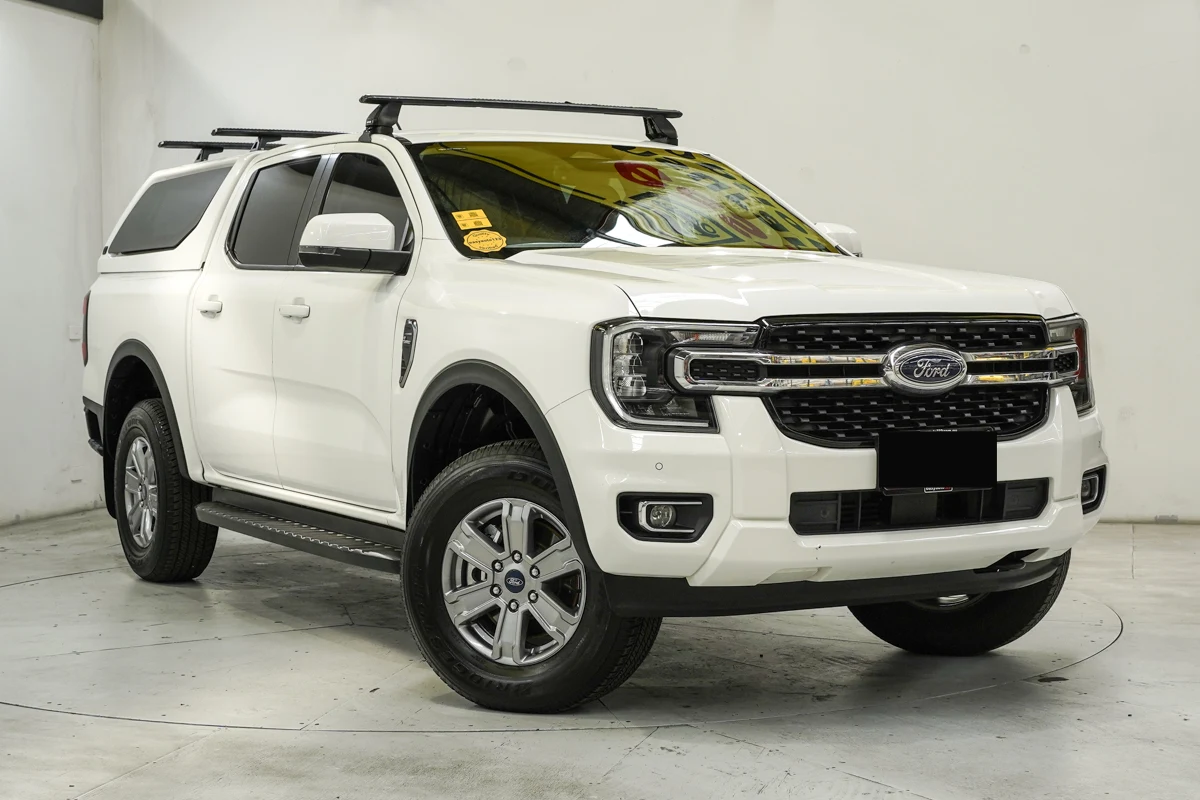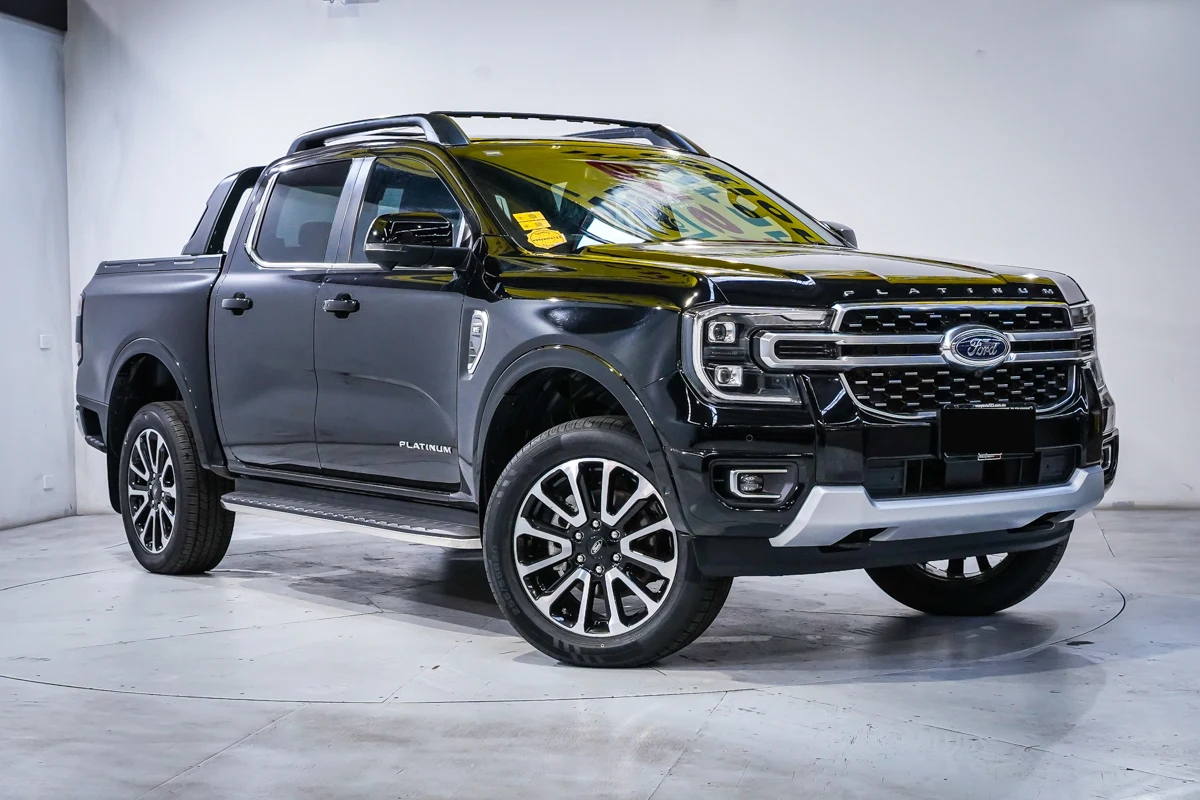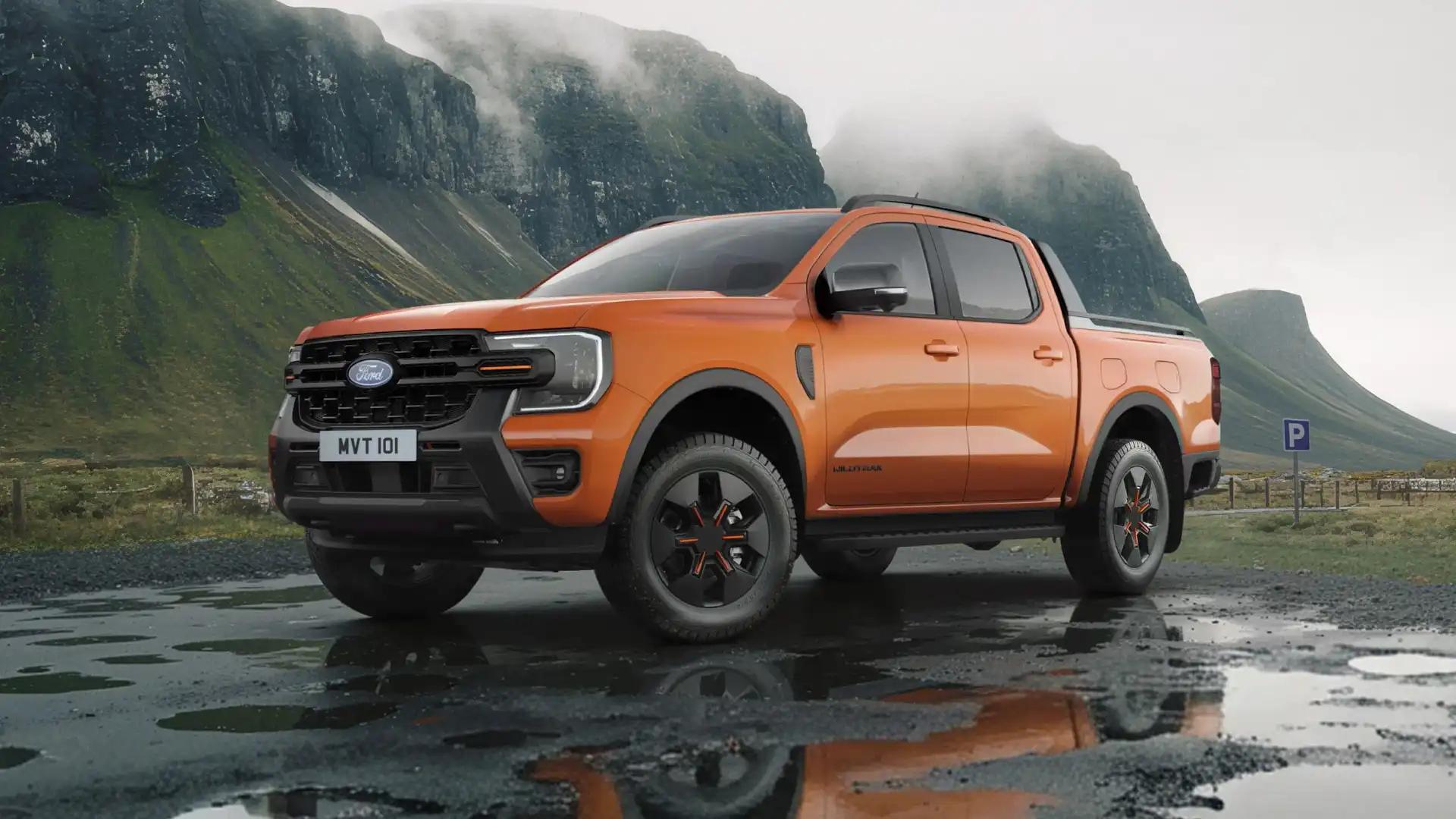
The 2026 Ford Ranger PHEV has landed its updated Australian pricing, and Ford has reshuffled the entire range. A new entry XL grade opens at $59,000 drive-away, which is $3000 cheaper than the previous starting price and $13,000 less than the original launch RRP. That positions the plug-in hybrid Ranger to undercut the BYD Shark 6 Premium dual-cab and gives the country's best-selling vehicle a fighting chance against Chinese PHEV utes that are flooding showrooms.
But not everything in the announcement is good news for buyers. Some equipment has quietly been removed from the entry grade, the EV-only driving range still trails the Chinese rivals, and the European specification continues to outpace what Australia gets. Carseekers has unpicked the press release so you know what is actually worth the money, where Ford is trying to make you trade up, and how this changes the dual-cab PHEV value equation.
What the new pricing actually looks like
The Ranger PHEV now opens with an XL grade at $59,000 drive-away, replacing the XLT as the entry point. That introductory offer is $3000 sharper than the current $62,000 drive-away on the outgoing XLT, and a substantial $13,000 less than the $71,990 before on-road costs that the model launched at last year.
The Ranger PHEV Sport sits at $66,000 drive-away, unchanged from the current 2025 model's special offer. The Wildtrak now tops the range at $70,000 drive-away, which is $3000 less than the current drive-away price on the outgoing Stormtrak limited edition. All three prices are introductory drive-away offers, not standard RRPs, so they could quietly creep upward once early stock clears.
Why the new XL is cheaper, and what it actually loses
The XL is not just a re-badged XLT. Ford has stripped some equipment to hit the new price point. Halogen headlights and daytime running lights replace the previous LEDs. Power-folding side mirrors, side steps, an auto-dimming rear-view mirror and the perimeter alarm system are now exclusive to the Sport and Wildtrak grades.
For buyers shopping on price alone, those omissions are tolerable but worth knowing about before signing. Halogen headlights in particular are a real-world step backwards if you do regular night-time driving on country roads. The auto-dimming rear-view mirror is a small comfort feature, but the side steps matter if you carry kids, dogs, or anyone with mobility issues. Add them all back as accessories and you erode part of the $3000 saving.
One genuine upgrade across the range
The news is not all about cost-cutting. Every 2026 Ranger PHEV now gets a 12.4-inch digital instrument cluster as standard, up from the 8.0-inch unit in the outgoing range. That is a meaningful improvement, particularly for fleet buyers and tradies who use the digital dash for navigation and trip data.
The Sport grade also gains a surround-view camera, Pro Trailer Backup Assist and automatic high-beam as standard. The Wildtrak picks up orange exterior accents and a new Ignite Orange paint option replacing Cyber Orange. The styling tweaks mirror the diesel Ranger's MY2026.5 refresh, including black exterior trim replacing chrome or grey finishes and an updated flat-design Ford badge.
How it stacks up against the BYD Shark 6
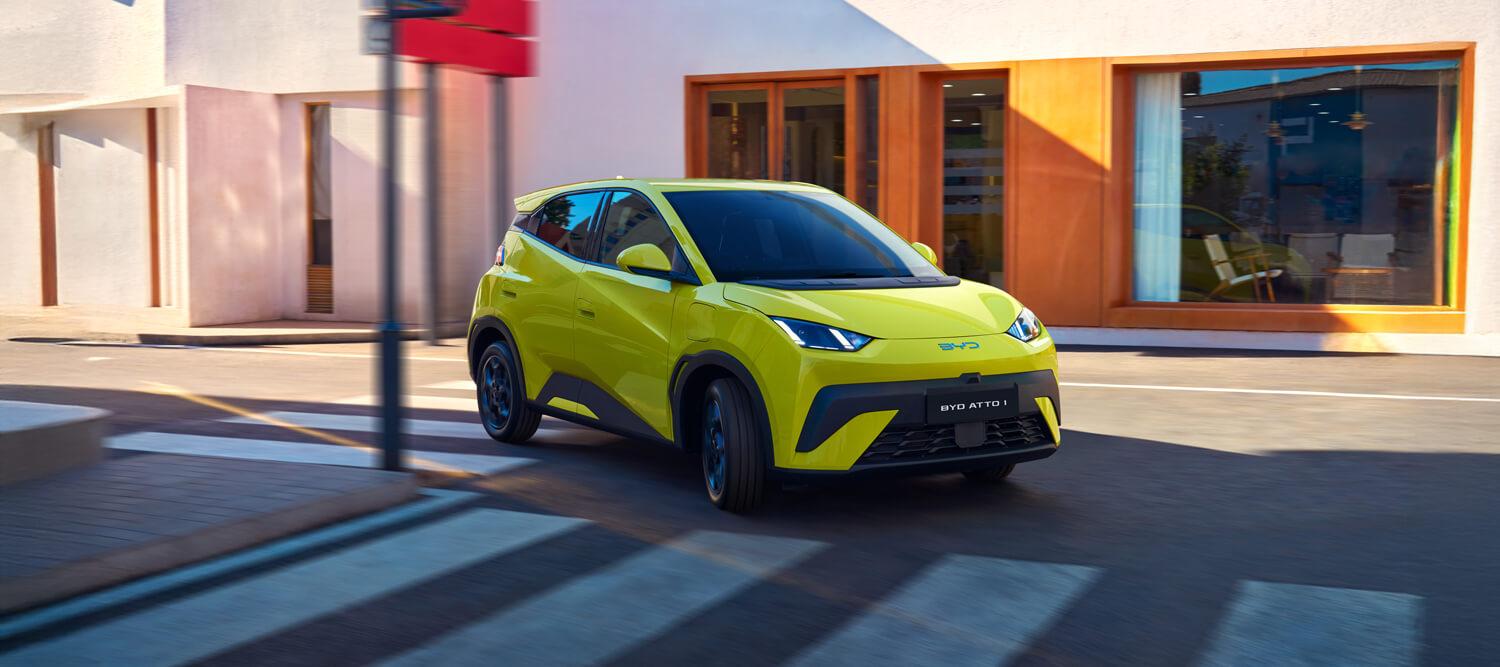
The Ranger PHEV XL at $59,000 drive-away undercuts the BYD Shark 6 Premium dual-cab, which sits around $61,000 drive-away depending on state. That is a real win for Ford in the buyer's calculus, because the Ranger holds clear advantages in dealer network, parts availability and resale value.
But the BYD wins on the headline EV spec sheet. The BYD Shark 6 has a 29.6kWh battery for a claimed 100km of electric-only range, more than double the Ranger PHEV's 49km from an 11.8kWh battery. The GWM Cannon Alpha PHEV pushes even further at 115km on a 37.1kWh battery. If most of your driving is short, urban commutes, the Chinese utes will see you running on electrons far more often than the Ford.
What the Ranger PHEV's powertrain actually delivers
The Ranger PHEV's drivetrain is unchanged for 2026. It combines a 2.3-litre turbocharged four-cylinder petrol engine with a 75kW electric motor for 207kW and 697Nm total system outputs. That is more torque than the diesel Ranger Bi-turbo, but less than the V6 diesel. Towing capacity, payload and off-road capability remain class-competitive.
Where the Ranger PHEV earns its money over the BYD Shark 6 is in fundamentals. The Ranger drives like an established Australian ute should, with the chassis tuning, ride quality and steering feel that have made the Ford Ranger Australia's best-selling vehicle. The BYD is more car-like and arguably more comfortable on the road, but for tradies and tow rigs the Ranger remains the safer all-rounder.
What Australia is missing compared to Europe
In Europe, the Ranger PHEV is now offered in a flagship Platinum grade with trailer theft assist and BlueCruise hands-free highway driving. Neither feature is coming to Australia at launch, which is a frustrating reminder that Ford's local arm consistently lags Europe on flagship technology rollouts. Hands-free highway driving in particular would be a genuine point of difference against the Chinese utes, which do not offer comparable systems.
Ford Australia has not detailed whether these features will arrive on an MY2026.5 update or be held until the next generation. If hands-free driving matters to you, the Tesla Model Y still leads here, and the Ford Everest Tremor remains the closest sibling vehicle to receive flagship safety equipment first.
When to buy and how to negotiate
Australian showroom arrivals for the updated 2026 Ranger PHEV are due between July and September this year. Buyers placing orders now should be locking in introductory drive-away pricing in writing, because those numbers are time-limited and could climb once initial supply normalises.
The Sport grade is the value pick of the range. At $66,000 drive-away, it gets the surround-view camera, Pro Trailer Backup Assist and automatic high beam, plus the equipment the XL has lost. The Wildtrak adds limited-edition styling and the new Ignite Orange paint, but the equipment gap over the Sport is narrower than the $4000 price gap suggests. Skip the Wildtrak unless you want the look.
What this means for the dual-cab PHEV market
With the Ranger PHEV now starting at $59,000 drive-away, the BYD Shark 6 at around $61,000, and the GWM Cannon Alpha PHEV competing aggressively too, the dual-cab plug-in hybrid segment is now genuinely competitive. Diesel utes still dominate on volume, but PHEV uptake is accelerating fast, helped by FBT exemptions for novated-lease buyers under $89,332.
The Ranger PHEV's pricing reshuffle is Ford's clearest signal yet that it intends to defend its sales crown against Chinese rivals. Buyers benefit. Carseekers expects competitive pressure to keep drive-away pricing sharp on all three PHEV utes through the rest of 2026.
Considering finance for your next car? Loanseekers can help you explore car loan options.
The finer details
Your questions answered.
How much does the 2026 Ford Ranger PHEV cost in Australia?
The 2026 Ford Ranger PHEV opens at $59,000 drive-away for the new entry XL grade, $66,000 drive-away for the Sport and $70,000 drive-away for the Wildtrak. All three figures are introductory offers and could rise once initial supply normalises. Ford has not yet published the standard RRP figures before on-road costs.
When does the 2026 Ford Ranger PHEV go on sale in Australia?
Australian showroom arrivals are scheduled between July and September 2026. Orders can be placed now with most Ford dealers, and Carseekers recommends locking in the introductory drive-away pricing in writing because those numbers are time-limited.
Does the Ford Ranger PHEV undercut the BYD Shark 6?
Yes. At $59,000 drive-away the Ford Ranger PHEV XL is around $2000 cheaper than the BYD Shark 6 Premium, which sits around $61,000 drive-away depending on state. The Ford holds the price advantage on the entry grade but loses on EV-only range, where the BYD claims 100km versus the Ford's 49km.
What's the EV-only driving range on the Ford Ranger PHEV?
The Ranger PHEV uses an 11.8kWh battery for a claimed 49km of NEDC electric-only driving range. That is significantly less than the BYD Shark 6 at 100km and the GWM Cannon Alpha PHEV at 115km. If most of your driving is short urban commutes, the Chinese utes will run on electrons more often.
What features did Ford remove from the new XL grade?
The XL grade gets halogen headlights and daytime running lights instead of LEDs, and loses power-folding side mirrors, side steps, an auto-dimming rear-view mirror and the perimeter alarm system. These features are now exclusive to the Sport and Wildtrak grades. The 12.4-inch digital instrument cluster has been added across the range as standard.
Is the Ford Ranger PHEV eligible for FBT exemption in Australia?
The XL grade at $59,000 drive-away falls under the $89,332 luxury car tax threshold and qualifies for the FBT exemption on novated leases for plug-in hybrids until 1 April 2027. The Sport and Wildtrak also qualify based on current pricing. Confirm eligibility with your novated lease provider before signing, because the rules tighten in 2027.