Toyota Australia has confirmed a factory-fitted Gross Vehicle Mass upgrade for the 2026 Toyota HiLux, priced at $4000 and available from August 2026. The package is engineered to fend off pressure from the Ford Ranger Super Duty, which has been carving out a chunk of the heavy-duty ute segment with its full chassis upgrades and 1825kg payload. Toyota's response is more measured, but it covers a meaningful slice of the same buyer base.
Here is what the HiLux GVM upgrade actually delivers, where it falls short, and how Australian fleet and tradie buyers should weigh it against the Ranger Super Duty.
What the upgrade includes
The headline change is payload. Depending on the variant, the GVM upgrade lifts the HiLux's maximum payload by between 372kg and 435kg, taking the peak payload as high as 1525kg. That is a serious jump for a ute that has historically been outclassed on numbers by the Ranger and the new Volkswagen Amarok V6.
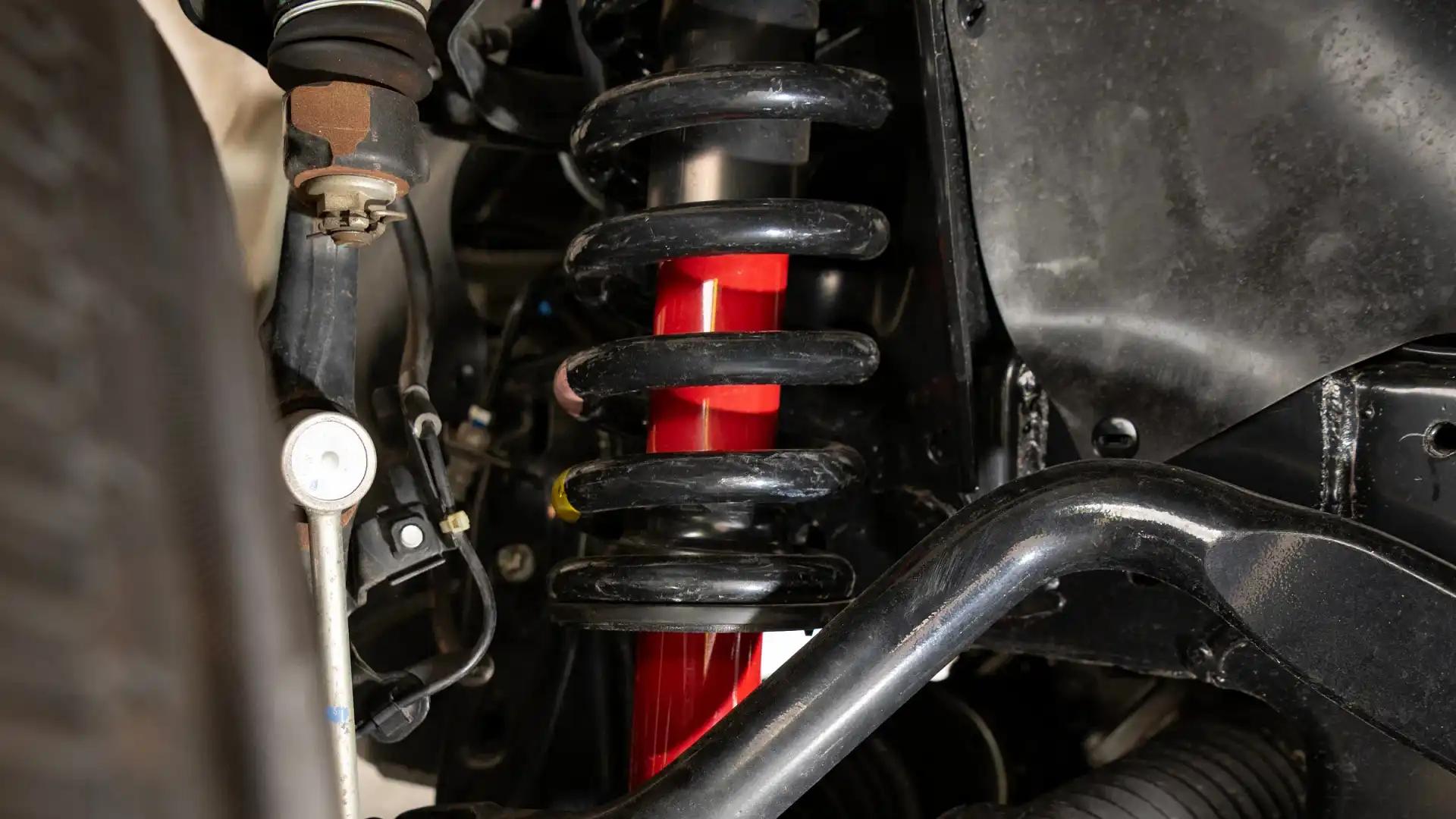
Under the body, the upgrade fits longer monotube shock absorbers on the rear axle, boosts the front axle capacity by 100kg, and lifts the rear axle capacity by 280kg. The upgraded HiLux has a 1590kg front axle rating and a 1980kg rear axle rating. Ride height goes up by 10mm thanks to the revised suspension geometry, which also helps with departure angles on rough ground.
The engine and drivetrain are unchanged. You still get the 2.8-litre four-cylinder turbo-diesel making 150kW and 500Nm, a six-speed automatic, and dual-range four-wheel drive. The SR and SR5 retain Toyota's 48-volt mild-hybrid system, which switches the engine off when stationary and provides a small kick on acceleration.
Which HiLux variants get the option
The GVM upgrade is restricted to four-wheel-drive automatic HiLux grades. Single-cab and manual-transmission models miss out entirely. Within that limit, the lineup covers the Workmate dual-cab chassis, Workmate dual-cab ute, SR extra-cab chassis, SR dual-cab chassis, SR dual-cab ute, and SR5 dual-cab ute variants.
Notably absent are the higher-spec Rogue, GR Sport, and any future hybrid grade. Toyota has not explained the omission of those trims yet, but the most likely reasons are emissions math under the New Vehicle Efficiency Standard and the structural focus of the upgrade on work-grade variants rather than lifestyle trims.
Critical limitations Australian buyers must understand
This is where the marketing meets the spec sheet. The GVM upgrade only changes the gross vehicle mass and payload figures. It does not change towing capacity or Gross Combination Mass. Both remain at the factory standard of 3500kg towing and 6300kg GCM.
That matters. For tradies running a heavy single-axle trailer or for fleet operators hauling enclosed trailers, the GCM number is what limits the legal total weight of vehicle, payload, and trailer combined. The HiLux's 6300kg GCM is well below the Ranger Super Duty's 8000kg figure. If you are doing genuine heavy-duty towing alongside heavy payloads, the Ranger Super Duty still has a real advantage.
Also important is when you can order the upgrade. It must be specified at the time of new vehicle order, not added later by a dealer or by an aftermarket fitter. There is no path to upgrade an existing HiLux. If you bought a HiLux last year and your payload needs have grown, you are still in the same position as before.
How this compares to the Ford Ranger Super Duty
The Ranger Super Duty is not a like-for-like rival. Ford's approach involves a much deeper mechanical overhaul, including revised engine cooling, upgraded axles, locking front and rear differentials, and heavy-duty brakes. On the headline numbers, the Ranger Super Duty offers a maximum 4500kg towing capacity, 8000kg GCM, and up to 1825kg payload in dual-cab form.
The HiLux GVM upgrade only addresses payload. It does not touch towing, brakes, or differentials. For some buyers, that is fine. If your workload is mostly heavy in the tray rather than heavy on the trailer, the HiLux gives you most of the practical benefit at $4000 versus the Super Duty's significantly higher price tag.
For anyone hauling heavy trailers, recreational vehicles, or boats with a combined mass above 6000kg regularly, the math points clearly to the Super Duty or the LandCruiser 70 Series, which also tops out at 3500kg towing but offers a more rugged base for heavy-duty work.
Pricing and warranty
At $4000, the GVM upgrade is competitively priced. Aftermarket GVM upgrades from established names like Lovells or Pedders can easily cost between $4500 and $7000 once installation is factored in. The factory option is fitted on the Toyota production line in Thailand, meaning the upgrade is covered by the same five-year warranty that applies to the rest of the vehicle. Aftermarket upgrades, by contrast, can void manufacturer warranty claims on related components and shift the legal responsibility for engineering certification onto the owner.
Dealers may try to bundle the upgrade with overpriced accessory packs at the time of order. Resist anything that does not directly support the upgrade itself. The factory GVM package does not require additional towbars, suspension kits, or bash plates to function. Anything else is dealer margin disguised as preparation.
Insurance and ownership considerations
A higher GVM means you can legally carry more weight, but it also means the vehicle's classification can change for insurance and registration purposes. Some insurance providers price commercial vehicles differently based on payload rating, and a few state-based registration systems use GVM brackets to determine fees. Get a written quote from your insurer before you place the order, and confirm that the upgraded GVM does not push the truck out of standard car insurance into commercial vehicle policies.
Resale value is the other consideration. A factory GVM upgrade adds value at trade-in time because it cannot be retrofitted to existing stock. Used HiLuxes with the upgrade will likely command a modest premium over standard examples, particularly in regional markets where work-focused trims trade strongest. Carseekers is one of the best places to track that premium over time once early upgraded trucks start hitting the used market in 2027 and 2028.
Who should tick this box
The HiLux GVM upgrade is the right call for builders, civil contractors, regional fleet operators, and rural buyers who regularly load a HiLux tray to its limits but rarely tow heavy trailers. It is the wrong call for buyers who need both extreme payload and extreme towing. For those buyers, the Ford Ranger Super Duty or the Toyota LandCruiser 70 Series remain the better solutions.
For the broader HiLux buyer base, this upgrade is a smart, sensible response by Toyota to keep its long-running market leader in the conversation. It is not a knockout punch against the Ranger Super Duty. It is a focused improvement at a competitive price, with the credibility of factory engineering and a full warranty behind it. Order books open with the 2026 HiLux model year, so anyone interested should speak to their preferred Toyota dealer in the coming weeks to lock in a build slot.
Considering finance for your next car? Loanseekers can help you explore car loan options.
The finer details
Your questions answered.
How much does the Toyota HiLux factory GVM upgrade cost in Australia?
The factory-fitted GVM upgrade is priced at $4000. It is built into the HiLux on the Toyota production line in Thailand rather than added at a dealer, and it is covered by the same five-year warranty as the rest of the vehicle.
When is the Toyota HiLux GVM upgrade available?
The factory GVM upgrade option will be available from August 2026. It must be ordered with a new vehicle from new, and cannot be retrofitted to an existing HiLux.
How much payload does the HiLux GVM upgrade add?
The upgrade lifts maximum payload by 372kg to 435kg, depending on the variant. Peak payload after the upgrade can reach 1525kg, which is a significant jump on standard HiLux payload ratings.
Which HiLux variants are eligible for the GVM upgrade?
The upgrade is limited to four-wheel-drive automatic HiLux grades. The Workmate dual-cab chassis, Workmate dual-cab ute, SR extra-cab chassis, SR dual-cab chassis, SR dual-cab ute, and SR5 dual-cab ute are all eligible. Single-cab and manual variants miss out.
Does the HiLux GVM upgrade increase towing capacity?
No. The GVM upgrade only changes payload and gross vehicle mass. Towing capacity remains at the standard 3500kg, and Gross Combination Mass stays at 6300kg. For heavier towing needs, the Ford Ranger Super Duty offers up to 4500kg towing and 8000kg GCM.
Is the HiLux GVM upgrade better than aftermarket alternatives?
It depends. Factory upgrades come with full Toyota warranty coverage and engineering certification baked in. Aftermarket upgrades from specialists like Lovells or Pedders can be more flexible and can be added to existing vehicles, but they typically cost $4500 to $7000 installed and may affect warranty on related components.