Volvo has done something car companies rarely do publicly. It has admitted, in clear language, that the EX30 and EX90 electric cars were not up to scratch on software at launch, and it has committed publicly to the EX60 being different.
This matters because the EX60 is the EV that has to work. It is Volvo's most important electric model launch in years, with pricing confirmed under $87,000 for the Australian market, undercutting BMW and Audi rivals in the mid-size electric SUV segment.
For Australian buyers considering an EX60, the public software pledge is worth understanding properly. It is a credible commitment, but the EX30 and EX90 experiences are useful context for how much weight to put on it.
What actually went wrong with the EX30 and EX90
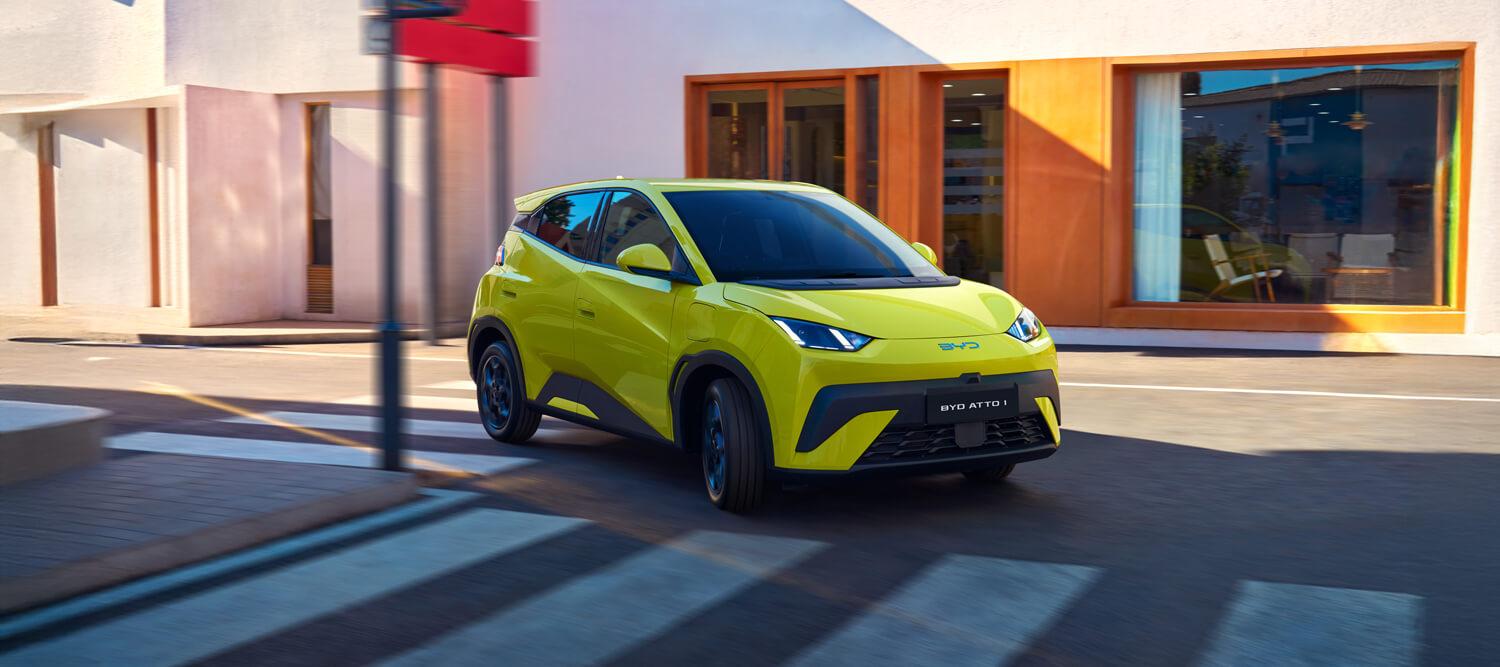
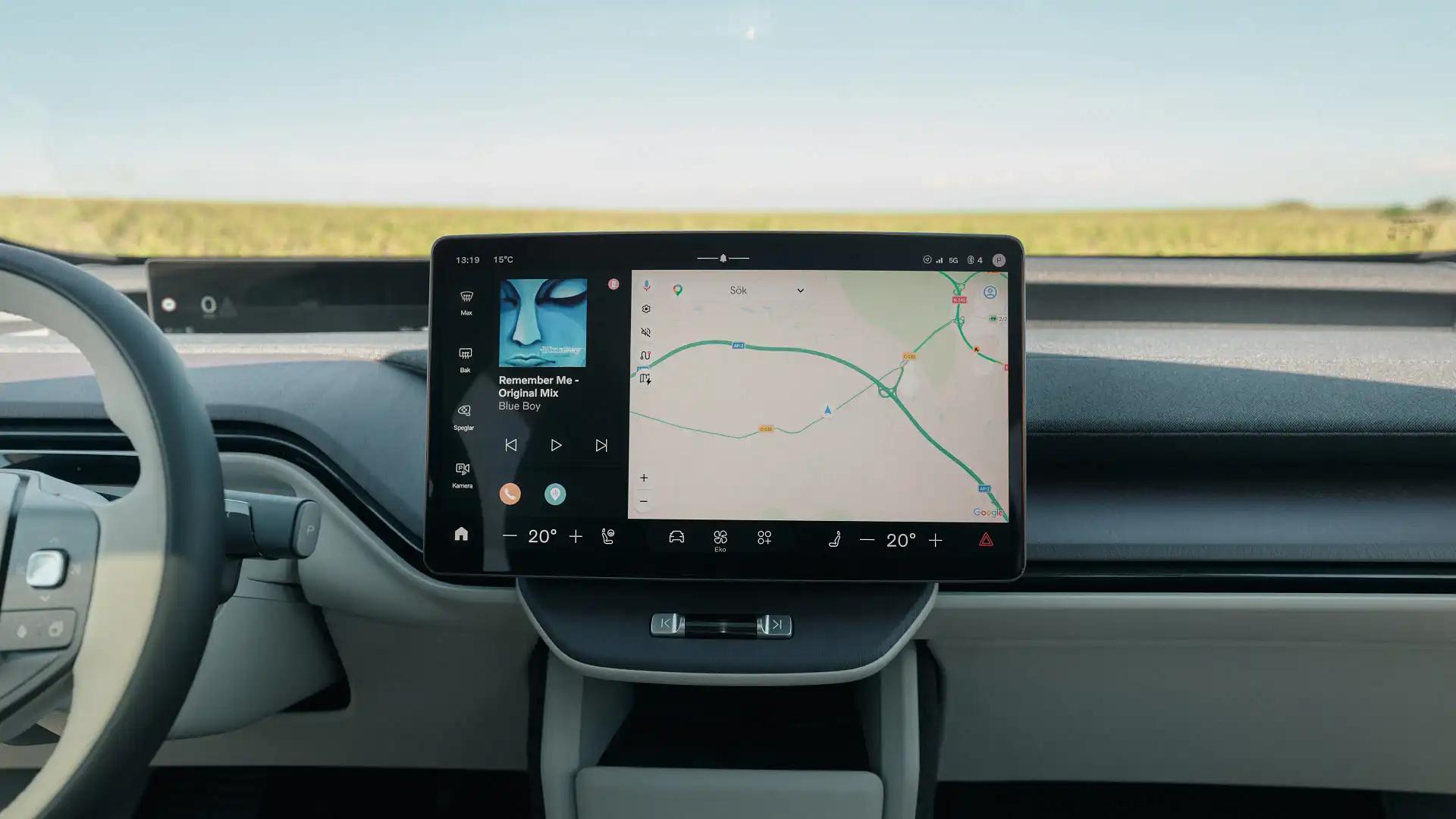
Volvo launched the EX30 in 2023 and the EX90 in 2024 with significant software issues across the range. The EX30 attracted complaints about its centre-screen-only interface, with everything from speedometer to climate controls funnelled through one display.
More seriously, Drive's own EX30 test car experienced an electric motor error, and the keycard entry system was widely criticised when used without the phone-as-key function. The EX90 had a six-to-nine-month delay in its global launch due to software issues.
These were not minor bugs. They were architectural problems with the way Volvo's first generation of software-defined vehicles handled core functions. They damaged the brand's reputation, particularly in higher-volume European markets.
What Volvo is saying about the EX60
Lorina Gewargis, Product Manager for EX60 development, told Drive: "Obviously, we cannot hide from the situation that we had. But what I can say is that we have learned so tremendously much from the cars built on SPA2 [EX90 and ES90], and we are very confident that the EX60 has really good stable software that will be delivered on quality."
That is unusually direct language. Most car companies, when asked about software problems on recent launches, would either deflect, claim the issues had been overstated, or stop short of an explicit promise about the next product. Volvo is doing none of those things.
Anders Lindbom, Volvo's Head of Product and Connected Experience, expanded on the technical reasoning. "The electrical architecture in its core is an evolution of what's in the EX90, and we have learned so much on how to be a software-defined vehicle company."
The technical basis for the claim
The EX60 sits on a new platform called SPA3, with updated technology that includes Google Gemini AI built-in. This is the third iteration of Volvo's software-defined vehicle architecture, building on lessons from both SPA2 (EX90) and the older systems in the EX30.
Lindbom said the company is now "doing much more testing to make sure that the quality is there from the start. We have a huge test centre now where we do different kinds of automatic tests. That's a key thing."
The specific change he flagged was integration between core vehicle systems and infotainment. "We have learned so much on how to be a software-defined vehicle company, how to make the integration between the core system and the infotainment system much more efficiently."
Why this matters more for the EX60 than EX30 or EX90
The EX60 is positioned as Volvo's volume EV play. It is the mid-size electric SUV that will compete directly with the BMW iX3 and the incoming Mercedes-Benz GLC EV. It needs to sell in numbers the EX30 and EX90 do not.
At the same time, Volvo's overall EV sales fell by about 40 per cent in 2025, with the delayed EX60 and limited EX90 stock cited as key drivers. In Australia, roughly 43 per cent of Volvos sold in 2024 were electric, equivalent to approximately 3830 sales.
If the EX60 launches with the same software issues that hurt the EX30 and EX90, it would do real damage to Volvo's already shaky EV momentum. The brand cannot afford that, and is signalling as much publicly.
Where Australia sits in the equation
Volvo Australia Managing Director Stephen Connor has previously noted that the local arm did not see the same scale of feedback on the EX90 as European markets, possibly because only 250 EX90s were allocated to Australia in the first batch. So the absolute number of unhappy customers locally has been smaller than abroad.
That said, Australian Volvo EV sales have softened. The EX30 has settled into the small electric SUV mix without quite hitting the volumes Volvo wanted, and the EX60 launch is now critical to local recovery.
Volvo Australia is positioning the EX60 aggressively on price, undercutting BMW iX3 and Audi Q6 e-tron equivalents. That pricing only works if the product reputation holds up.
What a Drive test would look for
The EX60 has already been previewed in Spain, with Drive's first impressions feeding into the article behind this update. First independent Australian-market reviews will likely land in the second half of 2026, after launch stock arrives.
The specific things buyers and reviewers will be watching: how the Google Gemini integration works in real-world conditions, whether the over-the-air update process actually delivers fixes promptly, how the infotainment-to-vehicle systems integration holds up over multiple thousand kilometres, and whether early build cars get pulled into recall actions in the first six to nine months.
Those first six months of customer reports will tell us whether Volvo's public commitment translates to product reality.
What Volvo is doing for existing EX30 and EX90 owners
Volvo has also indicated that lessons learned for the EX60 are flowing back into improvements for the older cars. The 2026 EX30 update brings new interior styling and updated technology, including over-the-air software fixes.
Lindbom's comment: "The other cars are benefiting from the same process. Gemini is one thing, but basically, the software quality, the processes we're using, have benefitted all these cars."
For existing EX30 and EX90 owners in Australia, that means continued software updates aimed at fixing the issues that frustrated early customers. Whether those updates actually resolve the headaches buyers experienced is something only ongoing ownership will reveal.
The pre-order question
If you are about to put down a deposit on a Volvo EX60 right now, here is how to think about the software-quality pledge.
First, Volvo's public commitment is genuine but it is still a forecast. The Spain preview drive has gone well, but production cars in customer hands over six to twelve months are where the truth shows up.
Second, the EX60's pricing is aggressive enough that it justifies some early-adopter risk for the right buyer. At sub-$87,000 against rivals at $100,000-plus, you are getting meaningful value.
Third, if you cannot afford any risk of software hassle, wait six months after launch to see how early customer reports trend. That delay typically costs you the launch allocation but gives you confidence.
What Carseekers is watching
Three signals will tell us whether Volvo has delivered on its software pledge. First, recall notices in the first six months. Heavy recall activity on early build EX60s would suggest the rollout has not gone as planned.
Second, owner-forum sentiment. The Volvo EV community on forums and social media reacts quickly when things go wrong, and the volume of complaints will tell the real story.
Third, Volvo Australia's own willingness to keep talking about software publicly. If the brand goes quiet on the topic after launch, that is usually because things are going well. If it goes quiet because it is hoping the issue passes, customer reports will tell you anyway.
For now, the EX60 looks like the right product at the right price. The software pledge is credible and the company's transparency about past mistakes is rare. The next six to nine months of customer experience will determine whether Volvo's EV story gets back on track.
Considering finance for your next car? Loanseekers can help you explore car loan options.
The finer details
Your questions answered.
Will the Volvo EX60 have the same software bugs as the EX30 and EX90?
Volvo says no. The brand has publicly committed to the EX60 being more reliable than the EX30 and EX90, citing a new SPA3 platform, updated technology with Google Gemini built in, and a much larger automated test centre. The proof will be in the first six to nine months of customer reports after Australian launch.
When does the Volvo EX60 launch in Australia?
The EX60 is due in Australian showrooms later in 2026, with pricing confirmed from under $87,000. The launch has been delayed once already due to software work, which Volvo says is part of what has improved quality on the production version.
How does the EX60 compare to BMW iX3 and Audi Q6 e-tron?
On price, the EX60 undercuts both rivals by a meaningful margin at around $87,000 versus $100,000-plus for equivalent BMW and Audi models. On range and software, Volvo will be tested in independent Australian reviews after launch. The price advantage is real, the software-quality claim is still a forecast.
Should I wait or buy a Volvo EX60 at launch?
If you can absorb some early-adopter risk, the aggressive pricing makes a launch purchase reasonable. If you want to be sure the software is right, wait six months after launch to read customer reports. That delay typically costs you the initial allocation but gives you better confidence.
What is Google Gemini doing in the EX60?
Google Gemini AI is built into the EX60's infotainment as a more capable voice assistant and intelligent system controller. Volvo is using it to replace the more limited assistant in earlier EVs. Whether buyers actually find it useful day-to-day will depend on how well it has been integrated into the car's functions, which we will know after the Australian launch.
What happens to existing Volvo EX30 and EX90 owners?
Volvo says it is rolling the lessons from EX60 development back into the older cars through over-the-air software updates. The 2026 EX30 update has new interior styling and updated technology, with bug fixes for earlier issues. Whether existing customers feel the difference depends on whether the underlying architecture allows full fixes or only patches.