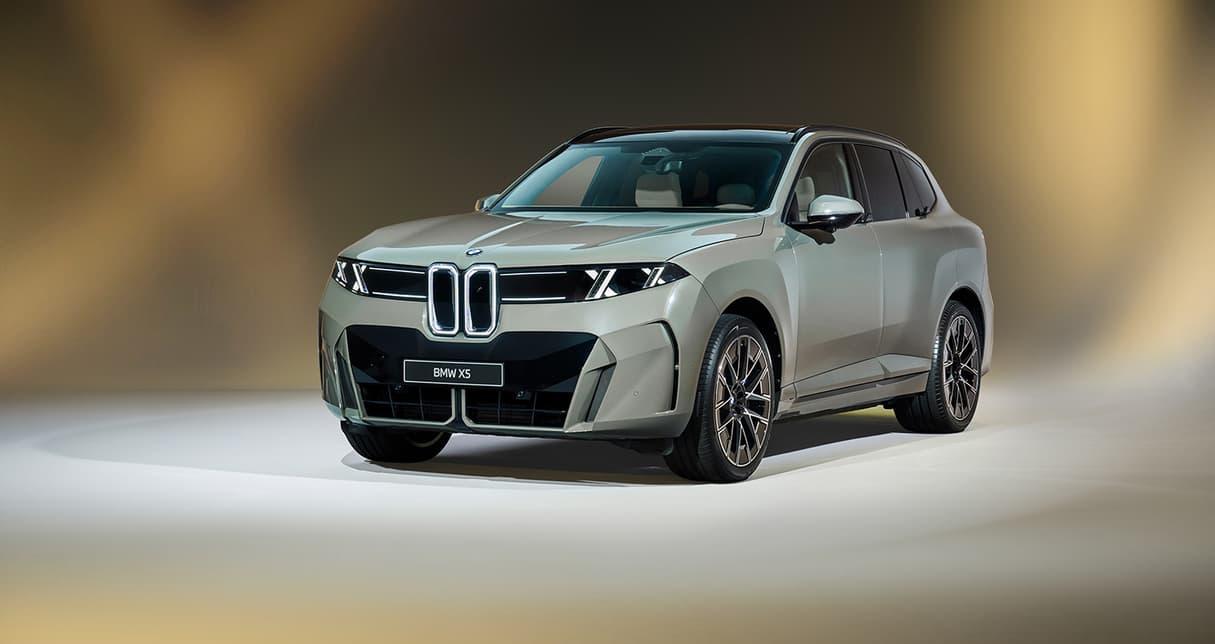
BMW's biggest X5 yet lands before the year is out
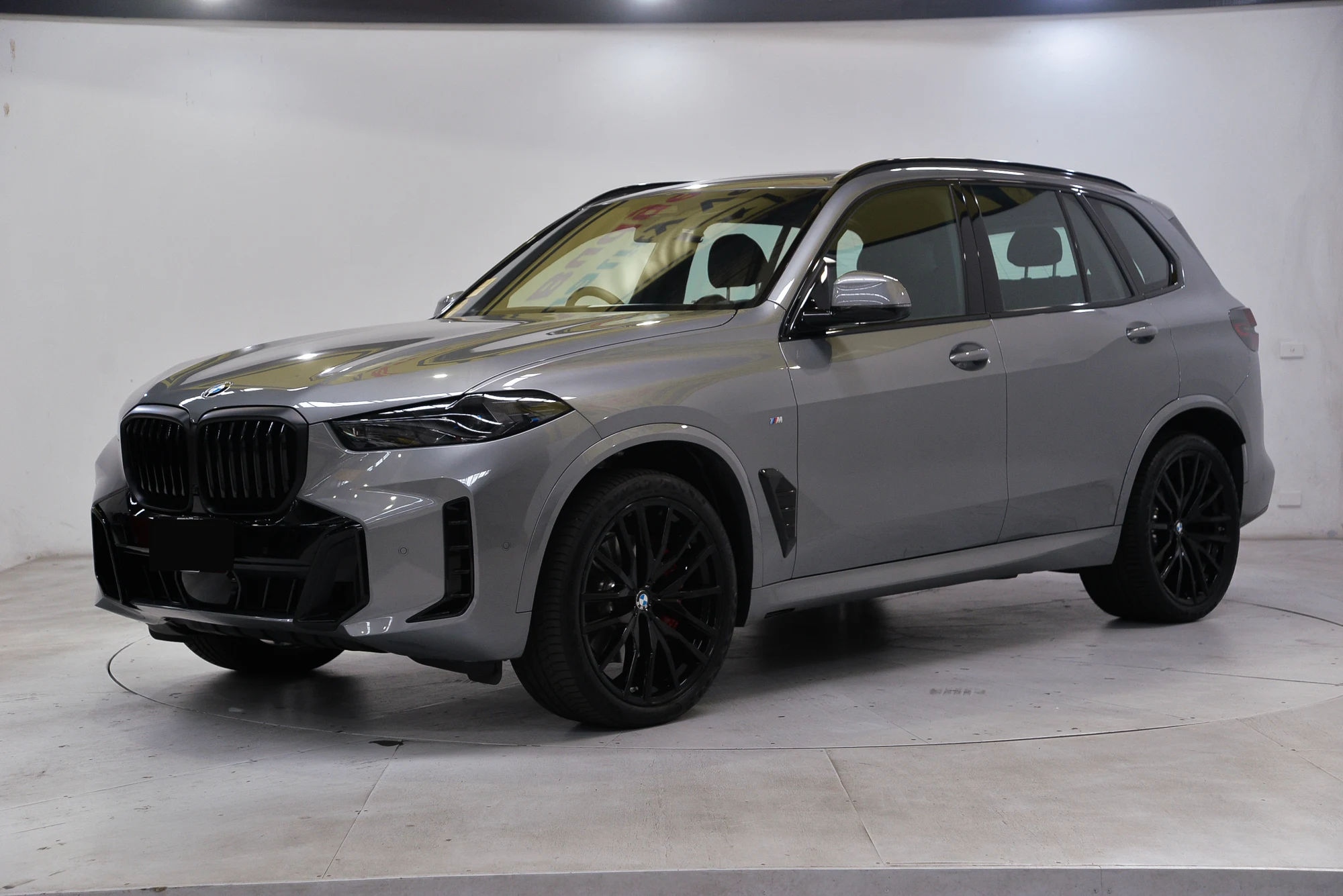
The fifth-generation BMW X5 has been revealed, and local showrooms get it late this year. Carseekers has pulled apart the detail so you know what is genuinely new and what is just launch noise.
This is a clean-sheet reset for BMW's most important large SUV. It leads the brand's Neue Klasse rollout in Australia, sitting above the electric iX3 and the freshly shown i3 sedan.
Bigger, faster and more powerful is the headline. The X5 now measures 4994mm long on a long 3035mm wheelbase, so cabin space should grow again.
Five powertrains globally, but Australia gets four
BMW is offering no fewer than five powertrains worldwide: a mild-hybrid petrol six, a mild-hybrid diesel, two plug-in hybrids, a full EV, and from 2028 a hydrogen fuel-cell.
Here is the catch for local buyers. BMW Australia has already ruled out the hydrogen iX5 for our market. You will get petrol, diesel, plug-in hybrid and electric, and that is it.
That is the right call. Australia has almost no hydrogen refuelling network, so a fuel-cell X5 would be a science project, not a usable family car. Do not let any salesperson tease it as coming.
What the petrol and diesel buyers actually get
If you are not ready to plug anything in, BMW keeps two combustion options. Both pair a 3.0-litre inline six with a 48-volt starter-generator, an eight-speed auto and all-wheel drive.
The petrol X5 40 xDrive makes 294kW and 540Nm and runs 0-100km/h in 5.4 seconds. The X5 40d diesel makes 230kW and a muscular 670Nm, takes 6.2 seconds, and sips a claimed 7.0L/100km.
For anyone towing or covering long country distances, the diesel still makes the most sense. It uses less fuel and pulls harder low down, which matters far more than the half-second it gives away off the line.
The plug-in hybrids are the sweet spot for most buyers
For a lot of Australian families, the two plug-in hybrids arriving in the second half of next year will be the pick. They blend an EV range of up to 100km with serious performance.
The X5 50e xDrive produces 360kW. The hotter X5 M60e xDrive lifts that to 450kW and cracks 0-100km/h in 4.2 seconds, which is genuine sports-car pace in a five-seat SUV.
That 100km of electric range covers most daily commutes on cheap home charging, then the petrol engine handles the long weekend run. Just know the PHEVs land after the combustion cars, so the waitlist will form early.
One money point worth flagging. At this price level the PHEV will not deliver the fringe benefits tax saving that makes cheaper plug-ins so popular on novated leases. The tax break is built for affordable cars, not a six-figure BMW.
The electric iX5 promises 800km, but you will wait
The all-electric iX5 is the technical showpiece. It uses BMW's sixth-generation eDrive, an 800-volt system shared with the iX3, and a large 140kWh battery for a class-leading claimed 800km range.
Charging is rapid on paper, with rates said to top 450kW and a 10 to 80 per cent fill in under 25 minutes. The dual-motor iX5 60 xDrive makes 425kW and 805Nm, good for 4.7 seconds to 100km/h.
Here is the reality check. The EVs are not due until late 2027, well over a year after the combustion cars. If you want an electric large BMW sooner, the smaller iX3 or the existing iX are the only games in town.
Note too that the iX5 sits on an upgraded version of the current CLAR platform, not the bespoke Neue Klasse architecture reserved for BMW's smaller EVs. It is still very capable, but it is not the clean-sheet EV some expected.
Inside: screens everywhere and fewer buttons
The cabin follows the iX3 with Panoramic Vision, a display strip stretching across the top of the dash, plus a 17.9-inch central touchscreen and an optional passenger screen.
Physical buttons are largely gone, replaced by a haptic steering wheel and Amazon Alexa baked into the voice assistant. Some buyers will love the clean look. Others will miss being able to find the climate control without taking their eyes off the road.
Two practical losses are worth knowing before you sign. The split tailgate is gone, and there is no seven-seat option. Both the X5 and iX5 are now strictly five-seaters, so larger families should cross-shop the Audi Q7, which still offers a third row.
What it means for your wallet, and the runout play
BMW Australia says it is too early for pricing, but the new X5 is tipped to start from around $150,000 plus on-road costs. That is a meaningful jump on the current car, and the launch allocation will be tight.
Tight supply is exactly when dealers stop discounting. Expect first-build cars to sell at full list, with little room to move and pressure to lock a deposit on a build slot before you have seen one in the metal.
That is where the smart money looks the other way. As the new model nears, dealers will be motivated to clear the outgoing X5, and that is where the real drive-away savings sit right now.
Should you wait, or buy the current X5 now?
If you want the latest tech, the 800km iX5, or the 450kW M60e, you are waiting until 2027 and paying a premium for the privilege. There is nothing wrong with that if the newest BMW is the point.
If you simply want a great large SUV at the best possible price, the run-out current X5 is the buy of the next six months. Same badge, proven hardware, and a dealer who actually needs the sale.
Whichever way you lean, get an independent, all-in drive-away number before you commit. Carseekers exists to get you that price without the showroom games, so you are comparing real figures, not list prices dressed up as deals.
Considering finance for your next car? Loanseekers can help you explore car loan options.
The finer details
Your questions answered.
When does the 2027 BMW X5 go on sale in Australia?
The new fifth-generation X5 reaches Australian showrooms late in 2026, starting with the petrol and diesel mild-hybrid models. The two plug-in hybrids follow in the second half of 2027, and the all-electric iX5 arrives later again in late 2027.
How much will the 2027 BMW X5 cost in Australia?
BMW Australia has not confirmed pricing, but the new X5 is tipped to start from around $150,000 plus on-road costs. That is a clear step up on the current model, and early launch stock is likely to sell at full list price.
Will the BMW X5 be available as a hydrogen model in Australia?
No. While BMW offers a hydrogen fuel-cell iX5 globally from 2028, BMW Australia has ruled it out for our market. Local buyers get petrol, diesel, plug-in hybrid and full electric versions only, which makes sense given Australia has almost no hydrogen refuelling network.
What is the electric range of the BMW iX5?
The all-electric iX5 60 xDrive claims a class-leading 800km range from a large 140kWh battery on 800-volt electrics. Charging can exceed 450kW, allowing a 10 to 80 per cent top-up in under 25 minutes, though the EV version does not land until late 2027.
Is the BMW X5 still available as a seven-seater?
No. The new X5 and iX5 are strictly five-seaters, and the handy split tailgate is also gone. Families needing a third row should cross-shop rivals like the Audi Q7, which still offers seven seats.
Should I wait for the new X5 or buy the current model now?
If you want the latest tech or the electric iX5, you will be waiting into 2027 and paying a premium on tight launch stock. If you just want a great large SUV at a sharp price, the outgoing X5 on runout is the smarter buy, since dealers are motivated to clear it before the new car arrives.