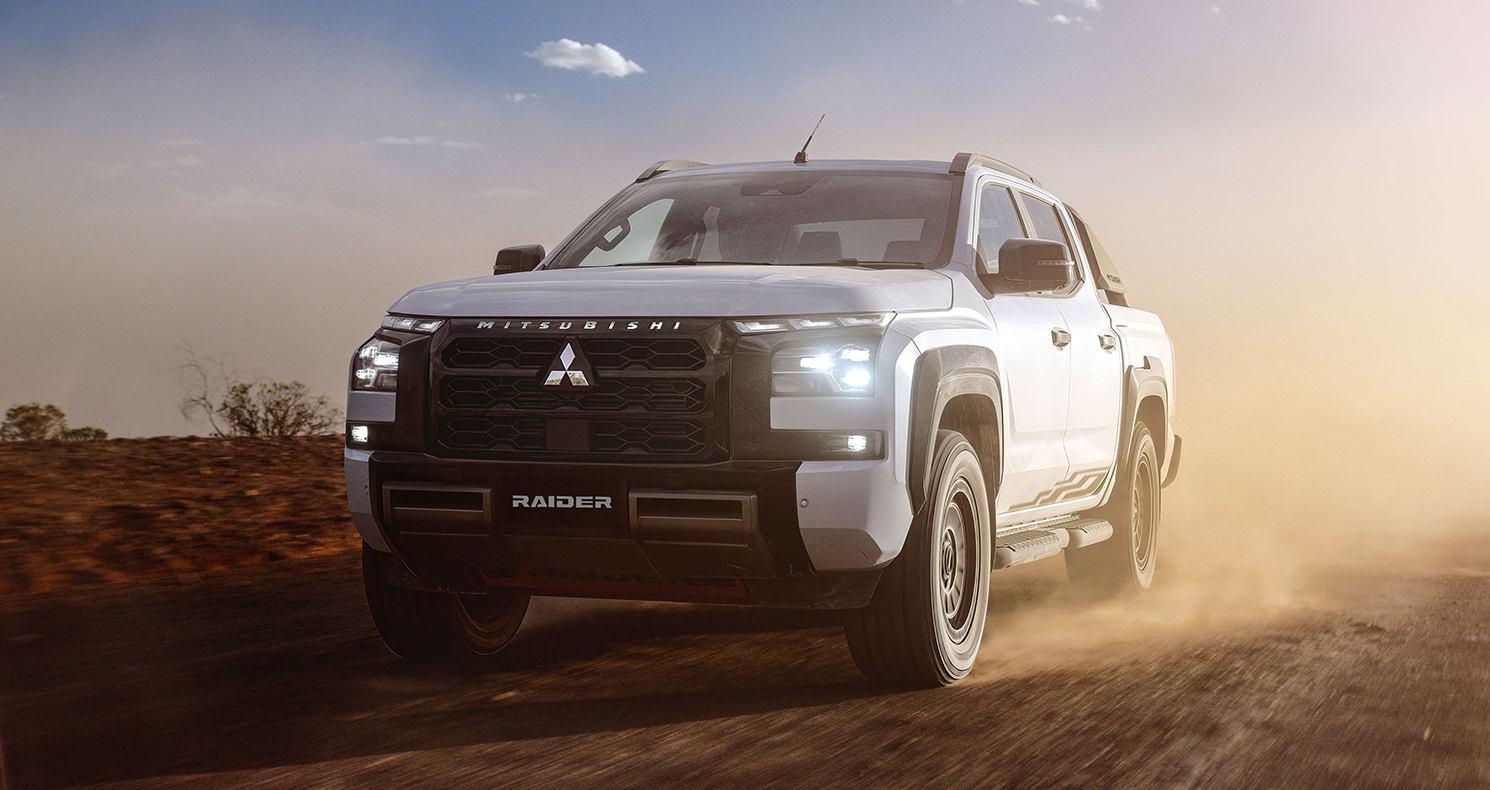

Mitsubishi knows it has a problem. Buyers who want a heavier-duty version of the Triton are currently walking past the dealership and heading straight to ARB or Ironman for aftermarket GVM upgrades. That money, often several thousand dollars, is leaving the brand's ecosystem entirely.
The brand's GM of Product Strategy and PR, Bruce Hampel, has made clear that situation is about to change.
What Mitsubishi Is Planning
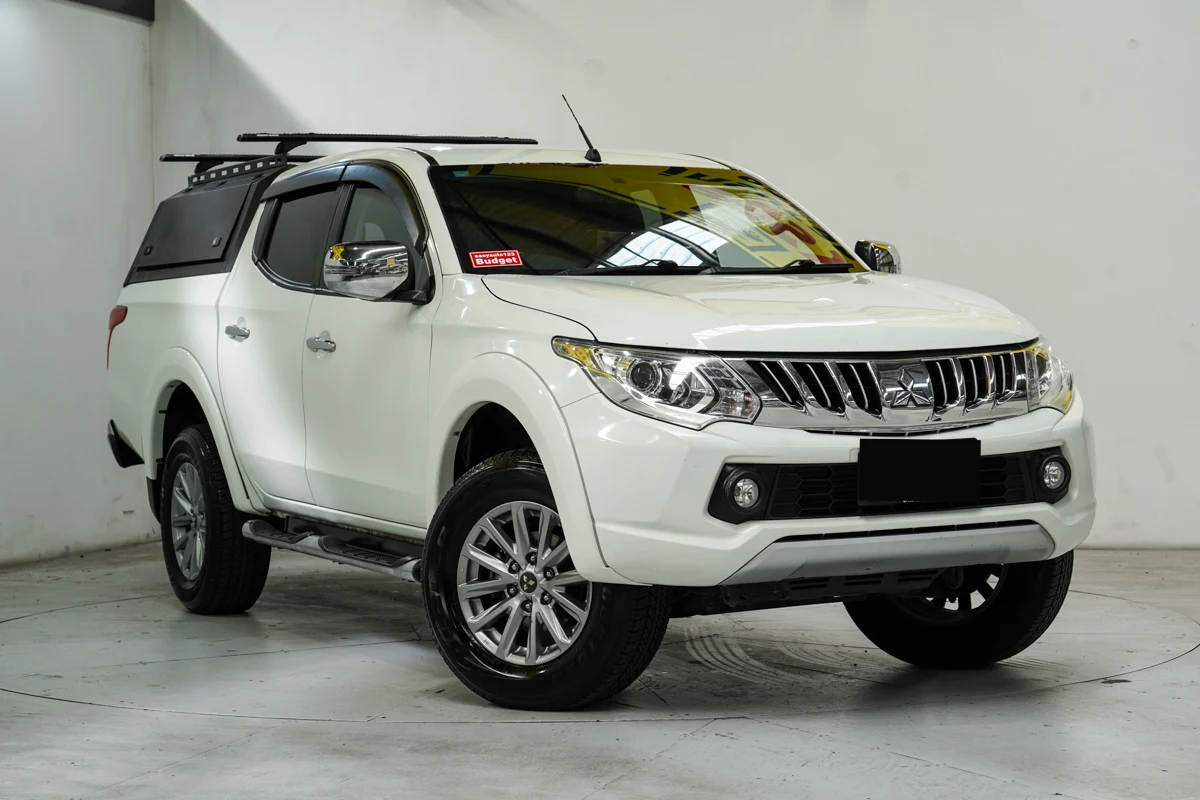
Hampel has confirmed Mitsubishi is in active discussions with Mitsubishi Motors Corporation in Japan about a factory GVM upgrade for the Triton, an upgrade that would raise the vehicle's Gross Vehicle Mass above the standard 3,500kg threshold.
"We're letting money walk out the door if they go to ARB or Ironman," Hampel said. The statement is notable for its directness: this is a product strategy decision driven by recognising where aftermarket revenue is going, not a response to a safety concern or regulatory requirement.
The current Raider variant, Mitsubishi's locally developed, Premcar-tuned off-road-focused Triton, serves as the proof of concept. Hampel confirmed many eyes in Japan are watching its performance carefully. When it succeeds, it opens the door to more localised product decisions being made by the Australian operation.
The Ranger Super Duty Template
Ford's Ranger Super Duty is the clearest template for what Mitsubishi wants to build. The Super Duty completely re-engineers the Ranger chassis with heavier-gauge steel, upgrades the drivetrain using components from Ford's international catalogue, and delivers factory-backed 4.5-tonne towing from the showroom floor, without voiding any warranty.
Mitsubishi is realistic about the difference in scope. Where the Super Duty is a deep chassis re-engineering exercise, a Triton GVM upgrade is more likely to focus on suspension components, either genuine factory parts or a licensed accessory program similar to what some other brands currently offer. A bolt-in suspension upgrade at the point of sale is a very different project from a full chassis rebuild.
"It's similar to what Raider does. It offers dealers the ability to offer customers a more tailored solution to what they're looking for," Hampel said. The Raider's Australian-tuned suspension setup from Premcar is the existing model for how this kind of local variant gets done.
The NVES Complication
Here's the bureaucratic wrinkle Mitsubishi hadn't fully worked through yet: a GVM upgrade above a certain threshold can reclassify a vehicle from a passenger car into a commercial vehicle category. For NVES (New Vehicle Efficiency Standard) purposes, that reclassification could be an advantage, commercial vehicles are held to different emissions rules.
Hampel acknowledged his team hadn't considered this regulatory angle yet when the topic came up, which suggests the planning is genuinely at an early stage. The Ford Ranger Super Duty navigated this question during its own development, and Mitsubishi will need to do the same.
The NVES penalty structure is a real concern for Mitsubishi. The Triton is a diesel ute, exactly the kind of vehicle the emissions standard is designed to push brands to offset with cleaner products. A reclassification that moves a GVM-upgraded Triton into commercial territory could reduce NVES exposure, which would actually help the brand's overall fleet compliance position.
Ralliart and Electrification in the Pipeline
Hampel also confirmed that Ralliart, Mitsubishi's performance sub-brand, will not return without an increase in power. That statement is both a promise and a constraint: a Ralliart-badged Triton requires a performance upgrade that the current 2.4-litre four-cylinder turbo diesel simply doesn't provide at a viable cost.
The brand's solution is electrification. As hybrid, plug-in hybrid, and eventually full electric powertrains enter the Triton lineup, they create the platform for a meaningful performance step-up. An electrified drivetrain can provide instant torque and a power boost that a diesel engine tune cannot, at a cost that makes sense for a performance variant rather than a commercial one.
"With the change to electrified options as well, that opens up a different path to having a step-up in performance level," Hampel said. For buyers interested in a future Ralliart Triton, this means the performance version is likely to be electrified rather than purely internal combustion.
Mitsubishi is also preparing for a significant second half of 2026, with the next-generation Pajero arriving as the brand's flagship 4WD offering. A fully electric small SUV from the Foxconn partnership is also in the pipeline, broadening the brand's portfolio in the direction the NVES requires.
What This Means for Buyers Weighing the Triton Now
The current Triton is a competitive mid-size ute that consistently earns praise for ride quality, refinement, and value relative to the Ford Ranger. Its main weaknesses against the Ranger have been towing rating (the Ranger's factory 3.5-tonne rating is higher) and the absence of a factory GVM upgrade option.
If Mitsubishi delivers the factory GVM upgrade it's describing, the Triton becomes a more complete tool for buyers who need a heavy-duty working vehicle but don't want to void their warranty with aftermarket modifications. That's a genuine gap in the current lineup.
For buyers considering the Triton in its current form, Carseekers recommends understanding what GVM upgrade you actually need before purchasing. If your intended use requires more than 3,500kg GVM, the current Triton requires an aftermarket solution, wait for the factory program if you want to keep the factory warranty intact. If 3,500kg is sufficient, the current Triton is a strong buy.
The Kia Tasman is the most direct competitive comparison in the new entrant segment, though it too lacks a factory heavy-duty upgrade program at launch. The established comparison remains between Triton and Ranger, and in that contest, a factory GVM program from Mitsubishi would narrow the gap significantly.
Considering finance for your next car? Loanseekers can help you explore car loan options.
The finer details
Your questions answered.
Is Mitsubishi planning a Triton GVM upgrade in Australia?
Yes. Mitsubishi is in discussions with its Japanese headquarters about a factory GVM upgrade program for the Triton that would take the vehicle above its standard 3,500kg GVM. Mitsubishi's local product chief confirmed it's under study, and the brand's existing Raider variant is seen as proof of concept for locally developed Triton variants.
How does the Triton GVM upgrade compare to the Ranger Super Duty?
The Ranger Super Duty involves deep chassis re-engineering with heavier gauge steel and upgraded drivetrain components for 4.5-tonne factory towing. A Triton GVM upgrade is expected to be more limited, likely suspension components and a licensed accessory program at point of sale. The Super Duty is a much more comprehensive re-engineering exercise.
When is the Mitsubishi Ralliart Triton coming to Australia?
No timeline has been confirmed. Mitsubishi has said Ralliart won't return without a power increase, and the brand expects electrification to provide that performance step-up. A Ralliart Triton is most likely tied to a future hybrid or PHEV powertrain, which means 2027 or later is the realistic window.
Should I get an aftermarket GVM upgrade for my Triton or wait for the factory option?
If you need the GVM upgrade now for work, an aftermarket solution from a reputable outfitter is a practical option. If you can wait 12 to 18 months and the factory program is your priority for warranty reasons, it's worth holding out. No official timeline for the factory program exists yet, Mitsubishi's comments confirmed interest but not a committed launch date.
How does the 2026 Mitsubishi Triton compare to the Ford Ranger?
The Triton consistently earns praise for ride comfort, refinement, and value. The Ranger leads on maximum towing capacity (3.5 tonnes factory vs Triton's 3.5 tonnes, but Ranger Super Duty extends to 4.5 tonnes), breadth of variants, and local R&D investment. The Triton offers better rear-seat comfort in some variants. Both are strong choices depending on your use case.
What is the Mitsubishi Triton Raider and is it available in Australia?
The Triton Raider is a locally developed off-road variant produced in partnership with Premcar, the Australian engineering firm. It features an Australian-tuned suspension setup specifically calibrated for our road and off-road conditions. It is available in Australia and is the blueprint for future Mitsubishi locally developed variants, including any future heavy-duty program.