
Honda Australia's new president has just told the rest of the industry, in plain language, that global harmonisation of car rules is not happening. Jay Joseph called the idea pie in the sky. He worked in harmonisation more than a decade ago. He has reasons.
This matters because Nissan and Mitsubishi have spent the past two years arguing the opposite. They want Australian Design Rules aligned with Europe and Japan to cut cost and complexity. The Federal Government launched a review of ADRs in late 2024 that has not yet reported. Sitting between those two positions is the Australian buyer, and the price tag on that buyer's next car is a direct function of which side wins.
The view from Carseekers is that this debate is not academic. Every week we see buyers pay more or wait longer because a model has been pulled from Australia or had to be re-engineered to clear an ADR. The Joseph comments confirm what dealers already know. The system is not changing soon. Buyers should plan accordingly.
What ADR harmonisation actually means
Australian Design Rules are the national standards that every new and used vehicle must meet to legally enter the Australian market for the first time. They cover safety, anti-theft, and emissions. Australia already derives many of its ADRs from United Nations regulations, and the rules are broadly similar to Europe and Japan. They are not identical.
The argument from carmakers is that those gaps add up. A car developed for Europe needs to be re-tested, sometimes physically modified, and re-certified to be sold here. The cost of that work either gets passed to the buyer in the sticker price or kills the business case for the model entirely. Some cars never arrive. Some arrive late. Some arrive with fewer trims and colours than buyers in other markets get.
Harmonisation, in the carmaker's pitch, would let any model approved in Europe or Japan come straight into Australian showrooms with no extra ADR re-engineering. That is the version of the future Nissan and Mitsubishi want.
Why Joseph says it will not happen
The Joseph argument is not anti-buyer. It is structural. A regulator in any country cannot accept another country's standard if that standard is, in any meaningful way, weaker than the one already in force. Doing so would mean the regulator is choosing to lower the safety bar for their own constituents, and that is politically and legally indefensible.
So any harmonisation outcome would, by definition, have to be the strictest version of every rule across every participating country. No country is willing to give up its own tighter rule for someone else's weaker one. The maths does not work.
Joseph also pointed at the time horizon. Real harmonisation needs decades of patient cross-border policy. Election cycles in every market run shorter than that. So the political will to drive a long-term framework rarely shows up.
That is a coherent argument, even if you do not like where it lands.
Why Nissan and Mitsubishi disagree
The other side has equally hard numbers. A Nissan spokesperson told Drive that the Road Vehicle Standards Act type approval pathway can slow down model arrivals, or in some cases kill the business case for a model entirely. Former Mitsubishi boss Shaun Westcott said the unique requirements add cost, complexity, and reduce choice for Australians.
Westcott's challenge was sharp. If a rule is good enough for Europe, America, or Japan, what is so different about Australia? The implication is that the gap between ADR 34, ADR 85, and their equivalents overseas is not driven by a uniquely Australian risk profile. It is driven by inertia and an unwillingness to align.
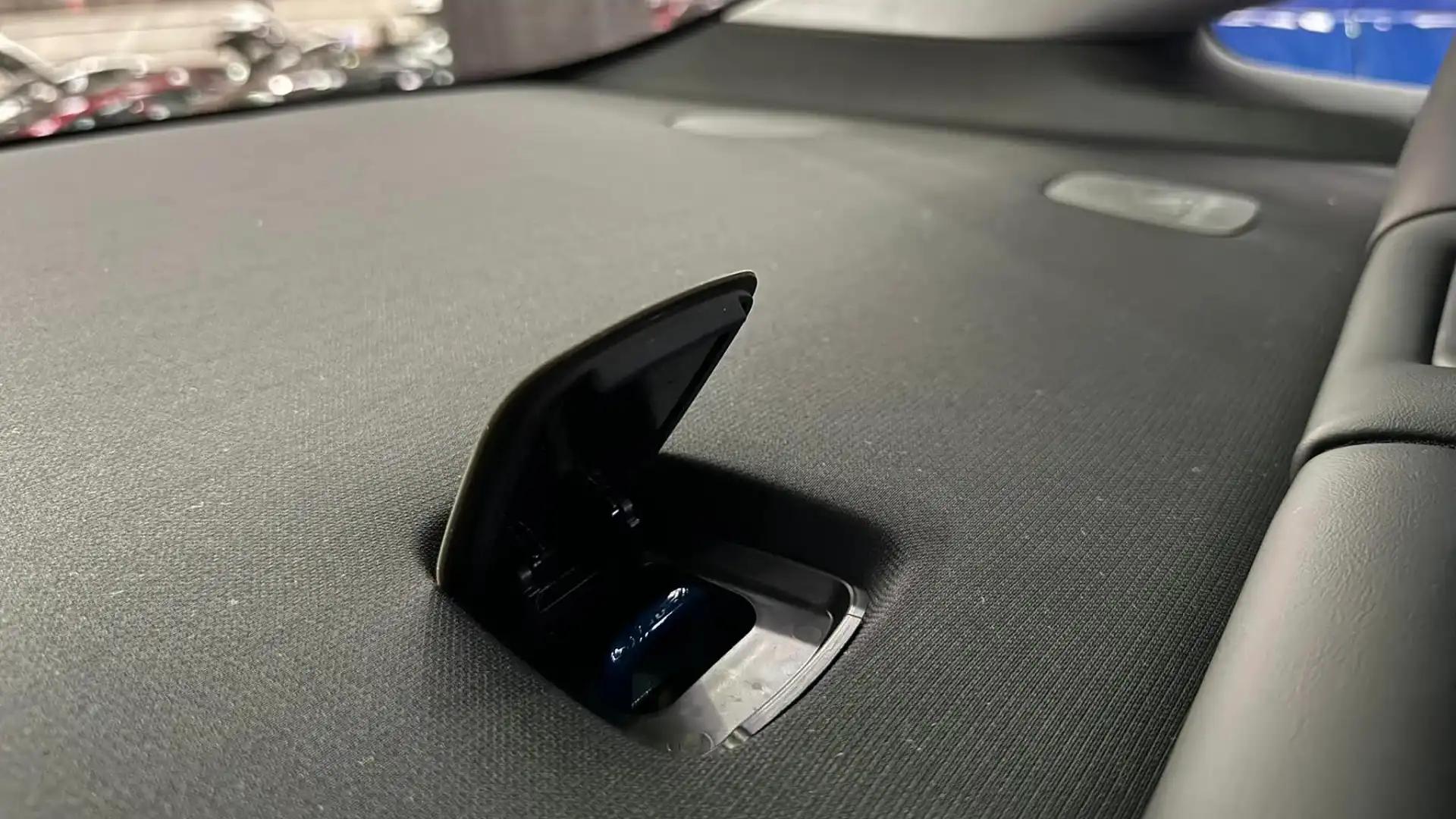
The specific examples are real. ADR 34 requires every rear seating position in a two-row passenger vehicle to have a top-tether anchor point for child seats. Many overseas markets require top tethers only at the outboard positions. Without compliance on the middle seat, a car can only legally be sold as a four-seater. Honda's HR-V, BYD, and Tesla have all run into this. BYD and Tesla had to issue recalls to fit missing top tether points. Honda chose to classify the HR-V as a four-seater rather than re-engineer it.
ADR 85 deals with side-impact protection from poles and trees. The Nissan GT-R was discontinued in Australia partly because of it. Other models have had to be significantly altered to stay on sale.
What this means for buyers and dealer pricing
The numbers paid in Australian showrooms reflect this entire debate. The cost of getting a car ADR-compliant is built into the landed price. So is the cost of slower arrival, smaller initial allocations, and the fact that local franchises know the buyer cannot easily import the same model from overseas.
A few practical effects worth flagging. Buyers in Australia routinely pay several thousand dollars more for a model than buyers in markets with similar GDP. Some popular overseas trims never make it here. Performance specials, like the GT-R or specific JDM-only hybrid trims, get pulled or never arrive. Dealer wait times stretch in part because allocations are smaller for a market that requires unique compliance work.
When Honda's Robert Thorp says harmonisation would help bring cars to market faster, he is being honest about the cost side. When Joseph says it will not happen, he is being honest about the political reality. The buyer pays both.
Where dealer behaviour fits in
The ADR debate has a quiet partner in dealer pricing power. When a model is delayed by ADR work, the dealer holding existing stock has stronger pricing power. When a model is pulled because it cannot be made to comply, dealers have one less rival to cross-shop against. When a model takes 12 months to arrive in Australia after Europe gets it, early buyers pay full sticker because there is no negotiating leverage from cars on the lot.
Flip that logic. The harder it is to import the same model independently, the harder it is to walk into the dealer with a real alternative. The more unique the ADR requirement, the more captive the buyer. That is not the dealer's fault, but it shapes the conversation when you sit at the desk in the showroom.
The smart play for buyers in this environment is to do the homework. If a similar trim is available in Europe or Japan at a meaningfully lower price, mention it. Even if the dealer cannot match the figure, the conversation tone changes. Knowledge is leverage.
Why an ADR review still matters
The Federal Government's review, launched in late 2024, has not reported. Joseph's comments are not the death of the review. They are one CEO's prediction. The review can still produce changes that ease specific pain points. Top-tether requirements could be relaxed to outboard-only. Side-impact rules could be tightened in ways that mirror European pole tests rather than going beyond them. Direct Acceptance of Type Approvals from major markets, which Nissan has called for, is a political decision available to the Government even without full harmonisation.
Incremental change is the realistic path. Harmonisation in name. Pragmatic alignment in practice.
For buyers, the watching brief is which specific rules get touched. ADR 34 changes would expand seat counts on multiple SUVs. ADR 85 changes could open the door to models like the GT-R returning. Faster type-approval pathways would compress the gap between European launches and Australian arrivals.
What buyers should do now
Do not wait for harmonisation. Buy on the assumption that the system stays as it is, and price accordingly. Cars launching in Europe in 2026 will arrive in Australia in 2027 or later, with smaller initial allocations and a price premium that reflects the local compliance cost. The buyer who plans around that reality wins.
Three practical takeaways. Build a shortlist that includes models actually arriving in Australia rather than overseas hypotheticals. Cross-shop within the local market, where the price competition is real, rather than against international price lists you cannot legally access. Use the Carseekers blog and showroom data to track real Australian transaction prices, not just MRLP, when you negotiate.
Joseph may be right that harmonisation does not arrive. The buyer's response is to keep playing the local game well, with the leverage that exists today. The next car you buy is priced for the system as it is, not as Nissan and Mitsubishi wish it would be.
For more on how local rules quietly shape what you can and cannot buy, Carseekers tracks the most consequential ADR-driven changes in the new-car market every quarter.
Considering finance for your next car? Loanseekers can help you explore car loan options.
The finer details
Your questions answered.
What did Honda Australia's new boss say about ADR harmonisation?
Honda Australia president Jay Joseph called global harmonisation of car rules pie in the sky and unrealistic. He argues no regulator can accept another country's standard if it is in any way weaker than their own, so the maths of harmonisation does not work in practice.
Which carmakers want Australia to harmonise its rules with Europe and Japan?
Nissan and Mitsubishi have publicly led the push, arguing that ADRs add cost and complexity and that Direct Acceptance of Type Approvals from major markets would help. They say the result is fewer models on sale here and longer wait times for buyers.
What is ADR 34 and why does it matter?
ADR 34 requires every rear seating position in a two-row passenger vehicle to have a top-tether anchor for child seats, including the middle seat. Many overseas markets only require top tethers at outboard positions, so cars built for those markets can end up classified as four-seaters or recalled to add the missing anchor.
Does ADR 34 affect popular models in Australia?
Yes. The Honda HR-V is sold as a four-seater because it cannot meet the centre top-tether requirement. BYD and Tesla have issued recalls to retrofit the missing top tether. The rule has real implications for family buyers comparing seat counts and child seat configurations.
How do ADRs affect car prices in Australia?
Compliance work to make a model meet Australian-specific rules is built into the landed price, often adding several thousand dollars compared to similar markets. Smaller initial allocations also reduce dealer competition, which keeps discounting tighter and supports higher transaction prices.
Will the 2024 ADR review actually change anything?
The review's results have not been published yet. Even without full harmonisation, the Government can ease specific rules like ADR 34 or accept type approvals from major markets faster. Incremental change is the realistic path, and the Carseekers buyer guide will track which specific rules move.