Australia's domestic intelligence agency has formally warned federal politicians and public servants not to discuss classified or sensitive information inside internet-connected vehicles. The caution was delivered during a Senate estimates hearing, where senior officials from the Australian Security Intelligence Organisation (ASIO) were questioned about the security implications of modern cars.
The warning was issued by ASIO Deputy Director-General Lisa Alonso Love: "Whether a vehicle is connected to the internet or not, our advice is that parliamentarians and public servants should not discuss classified or sensitive information inside vehicles."
Ms Alonso Love added that internet-connected vehicles create additional exposure, providing more pathways through which information could be collected or accessed.
Why Cars Are Now a Security Concern
Modern vehicles are data collection devices. They gather location information, driving habits, audio input, camera imagery from inside and outside the cabin, and data synced from connected smartphones, including call logs, messages, contact lists, and calendar entries.
This data is typically transmitted to vehicle manufacturers or third-party service providers. In many cases it is stored on servers outside Australia, where domestic privacy legislation does not apply.
By 2031, Austroads estimates that 93 per cent of all new vehicle sales in Australia will involve a connected car. More than 1.2 million connected vehicles were already on Australian roads by 2021. That figure has grown substantially since.
Not Just About Chinese Brands
When senators asked whether politicians should specifically avoid vehicles manufactured in China, Ms Alonso Love declined to limit the concern to any particular brand or country of origin.
The risk, she explained, is structural rather than brand-specific. Any vehicle with internet connectivity, a built-in SIM card, or deep smartphone integration has the technical capacity to collect and transmit information from inside the cabin.
This applies to vehicles from every major market. German luxury brands, Japanese and Korean mainstream cars, and American-built trucks all use connected systems that gather data and transmit it offboard. The difference between brands lies in where that data goes, who can access it, and under what legal regime it is stored.
The Australian Signals Directorate has previously published guidance noting that the level of risk varies depending on the specific technology installed and the degree of connectivity.
What Data Does Your Car Actually Collect?
The scope of data collected by modern vehicles is broader than most buyers realise. Telematics systems can gather:
- Precise GPS location and journey history - Driving behaviour including speed, braking, acceleration patterns, and lane changes - Audio captured inside the cabin - Images from interior and exterior cameras - Access to smartphone data synced via Bluetooth or USB, including contacts, messages, and call records - Calendar information, home and work addresses derived from navigation
Some of this data is used to deliver services such as remote diagnostics and over-the-air software updates. Some is used commercially. The problem for buyers is that the full scope of data collection is rarely disclosed in accessible language, and the consent process is often buried in terms and conditions accepted at vehicle registration or app download.
Federal Parliamentary Vehicles Under Scrutiny
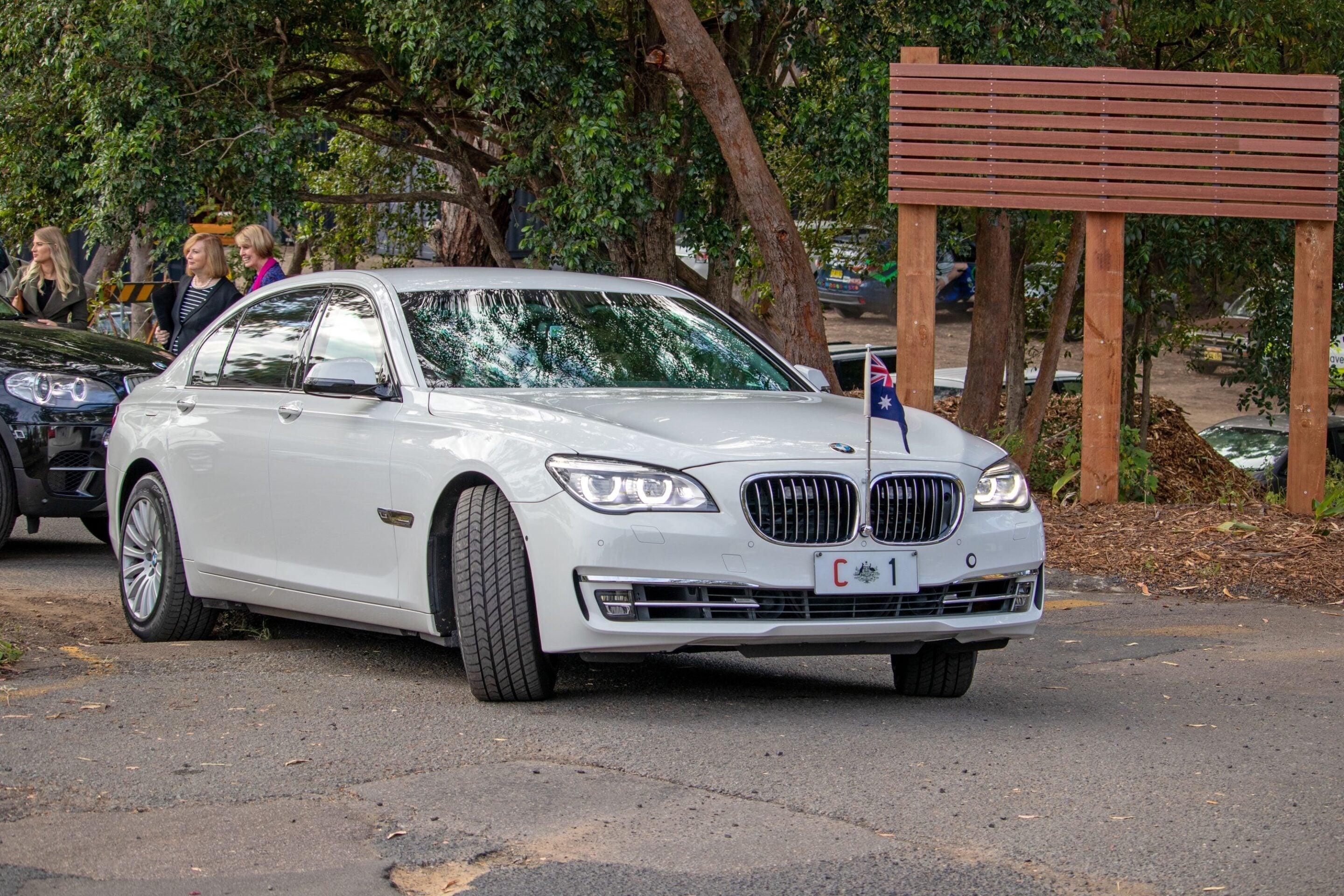
One specific concern raised at the Senate estimates hearing was whether vehicles provided to federal parliamentarians under government allowance programs could pose a security risk. Some of those vehicles are manufactured in China.
Ms Alonso Love did not single out any specific vehicle brand or program but reinforced that sensitive conversations should be restricted to secure environments specifically cleared for handling classified material.
For most Australians this is not a direct concern. But the ASIO warning signals that government at the federal level is beginning to treat vehicles as a category of connected infrastructure that requires the same security thinking applied to smartphones and laptops.
What Regular Car Buyers Should Know
This warning is aimed at people who carry genuinely sensitive information. For everyday buyers, the more relevant concern is commercial data collection rather than state surveillance.
Vehicle manufacturers routinely sell driving data to insurers, mapping companies, infrastructure planners, and advertisers. In Australia, a 2026 privacy investigation was launched into two Asian-based car brands following concerns that personal information was being harvested and shared with third parties without adequate disclosure.
If you value your location privacy, check whether your vehicle allows you to disable data transmission features in the settings menu. Some manufacturers allow this; others do not.
For buyers choosing between vehicles in 2026, Carseekers recommends reading the data privacy policy before purchase, not after. Ask your dealer specifically what data the vehicle collects, where it is transmitted, and whether it can be disabled.
Considering finance for your next car? Loanseekers can help you explore car loan options.
The finer details
Your questions answered.
Why is ASIO warning about connected cars in Australia?
ASIO told a Senate estimates hearing that internet-connected vehicles can collect and transmit information from inside the cabin. The agency advised politicians and public servants to avoid sensitive discussions in any vehicle, not just connected ones, as a general security precaution.
Do Chinese-made cars pose a specific security risk in Australia?
ASIO's deputy director-general declined to limit the concern to any specific brand or country of origin. The risk is structural: any vehicle with internet connectivity and a built-in SIM card can collect and transmit data. The concern applies to vehicles from all manufacturing origins.
What data does my new car collect about me?
Modern connected vehicles typically collect GPS location history, driving behaviour, audio from inside the cabin, images from interior and exterior cameras, and smartphone data synced via Bluetooth including contacts, messages, and calendar entries. This data is often transmitted to the manufacturer or third-party service providers.
Can I stop my car from collecting and transmitting data?
Some manufacturers allow drivers to disable data sharing features through the infotainment settings. Others do not offer this option. Check your vehicle's privacy settings and data policy before purchase. Australian privacy investigations are ongoing into at least two car brands over data practices.
How many connected cars are already on Australian roads?
Austroads estimated that over 1.2 million connected vehicles were operating in Australia by 2021. By 2031, connected vehicles are expected to account for 93 per cent of all new car sales, making this a mainstream rather than niche issue.
Should I be worried about my car listening to me?
For most Australians, state surveillance via a car's microphone is not a realistic concern. The more relevant issue is commercial data collection, where your location, driving patterns, and synced phone data may be sold to third parties. Read your vehicle's privacy policy and ask your dealer about data opt-out options.