Mazda has announced a biodiesel fuel trial in Japan that could become a meaningful part of the brand's path to carbon neutrality. The trial will run between the Hofu Nishinoura district plant and the Nakanoseki finished vehicle yard over a 12km distance. The plan is to assess fuel efficiency, performance and operational challenges, then expand based on the results.
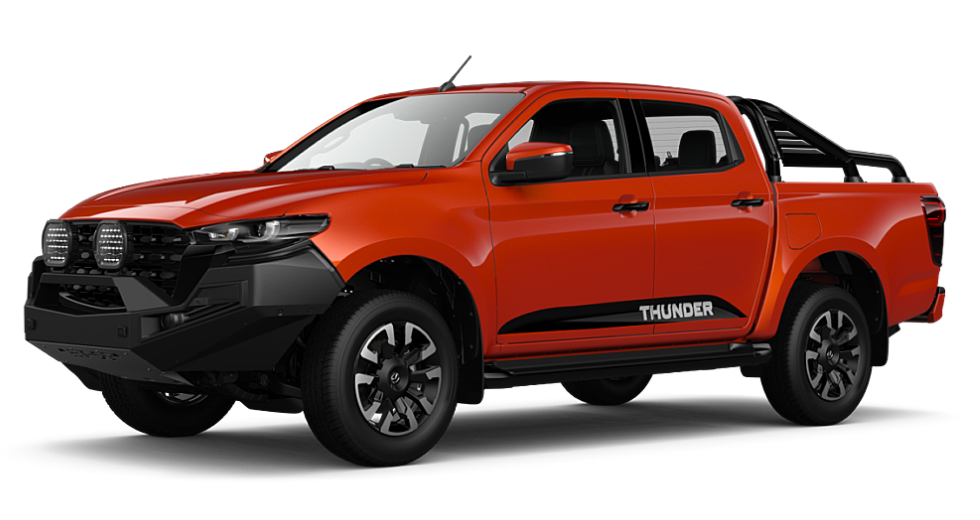
For Australian Mazda buyers, the biodiesel push is more relevant than it sounds. Mazda offers diesel powertrains across a long list of locally popular models including the BT-50 ute and the CX-60, CX-70, CX-80 and CX-90. A successful biodiesel program would give those vehicles a credible low-emissions path without requiring expensive new hybrid or electric drivetrains.
What biodiesel actually is
Biodiesel is a renewable fuel made from vegetable oils, used cooking oils and other organic materials. It can be used in conventional diesel engines either as a pure fuel or as a blend with petroleum diesel. The chemistry is similar enough that most modern diesel engines can run biodiesel blends without modification, though heavy blends require engineering adjustments to fuel systems and seals.
The environmental case is that biodiesel emits less net carbon than petroleum diesel because the source crops absorb CO2 during growth. Compared to battery EVs, biodiesel doesn't require lithium, cobalt or nickel, and infrastructure costs are far lower. The downside is that biodiesel production at scale competes with food crops for arable land, which makes the sustainability calculation more complex than the simple emissions math suggests.
Why this matters for Australian Mazda owners
Mazda finds itself behind in the electrified vehicle race. The brand has been on the cusp of substantial emissions-related fines under Australia's new vehicle efficiency standards. To address that, Mazda introduced the fully-electric Mazda 6e sedan and CX-6e SUV. But the bigger Mazda diesel lineup has been the lingering concern.
Biodiesel offers a path to lower the carbon emissions calculation for the BT-50, CX-60, CX-70, CX-80 and CX-90 without requiring those models to switch to hybrid or electric drivetrains. If Australian fuel suppliers offer compatible biodiesel blends and Mazda Australia certifies the vehicles for those blends, the brand could reduce its fleet emissions calculation materially.
Mazda Australia has been contacted for comment on whether biodiesel certification is on the local agenda. The brand has not publicly confirmed local plans, but the Japanese trial signals a global direction that Australia could follow.
The BT-50 angle is the most interesting
A fully-integrated biodiesel BT-50 could give Mazda an edge over conventional diesel rivals in the ute segment. The challenge with cleaner diesel setups has been the impact on towing and carrying capacities. Modern emissions hardware on diesels often comes at the cost of payload and braked towing capacity.
Biodiesel sidesteps that problem because it works with existing combustion engines. A BT-50 certified for B20 (20 per cent biodiesel) or higher blends could maintain its towing and payload numbers while delivering lower well-to-wheel emissions. That is a meaningful competitive advantage in a segment where capability is everything.
Ford has already moved in this direction with the Ranger. Ford Australia recently announced Ranger biodiesel capability and has a fleet running biodiesel at Melbourne Airport. The Ranger plug-in hybrid has had a tepid sales response because of reduced payload. The incoming Toyota HiLux EV will only have a driving range of less than 300km. In this competitive context, a biodiesel BT-50 could find a genuine market gap.
Why Mazda is doubling down on combustion solutions
The biodiesel push is part of Mazda's broader strategic shift away from a pure EV roadmap. Mazda has publicly confirmed pushing back its electric car plans in favour of hybrids and other low-emissions alternatives. The biodiesel program adds to that toolkit.
The corporate logic is consistent with what Toyota, Honda and several others have signalled. Pure EV adoption is happening more slowly than the 2022 forecasts suggested. Hybrid demand is stronger than expected. Combustion lifespan extensions look increasingly necessary to manage fleet emissions while battery infrastructure catches up.
Mazda is positioning the brand for that reality. The Skyactiv-Z platform delivers next-generation combustion efficiency. Hybrid versions of major models are coming. Biodiesel certification of existing diesel models would close one more emissions gap. The combined approach lets Mazda meet emissions targets without a full EV pivot.
Australian biodiesel infrastructure reality
Australia has a limited but functional biodiesel infrastructure. The BP and Caltex networks offer biodiesel blends at select stations, primarily B5 (5 per cent biodiesel) and B20 blends. Pure biodiesel is harder to source but is available through dedicated fleet suppliers in the major capitals.
For Mazda biodiesel certification to translate to real Australian benefit, the supply chain would need to expand. That requires either federal policy support to incentivise biodiesel production at scale, or private investment from fuel suppliers chasing fleet customers. Neither is impossible, but neither is fast.
What Mazda buyers should do now
If you own a current Mazda diesel and want to support the brand's lower-emissions direction, biodiesel-compatible engine performance is something to ask Mazda Australia about. The current Skyactiv-D diesel range may already tolerate B5 blends, and B20 capability may be achievable with minor system updates.
If you are considering a new BT-50 or CX diesel and emissions are a concern, the biodiesel direction is a positive signal for the long-term viability of those vehicles. Don't expect immediate biodiesel certification, but the path is now visible.
Carseekers tracks every Mazda Australia announcement and fleet pricing decision. The biodiesel program is one of the more interesting strategic moves from the brand in years and worth watching closely.
Considering finance for your next car? Loanseekers can help you explore car loan options.
The finer details
Your questions answered.
What is biodiesel and how does it work?
Biodiesel is a renewable fuel made from vegetable oils, used cooking oils and other organic materials. It can be used in conventional diesel engines either pure or blended with petroleum diesel. The environmental case is that source crops absorb CO2 during growth, reducing net carbon emissions.
Will Mazda BT-50 utes run on biodiesel in Australia?
Mazda has not confirmed biodiesel certification for the BT-50 in Australia. The Japanese trial signals a direction the brand is exploring globally. A biodiesel-certified BT-50 could maintain towing and payload capacity while reducing emissions, which would be a competitive advantage.
Where can I buy biodiesel in Australia?
BP and Caltex networks offer biodiesel blends at select stations, primarily B5 (5 per cent biodiesel) and B20 blends. Pure biodiesel is harder to source but is available through dedicated fleet suppliers in major capitals. Broader public availability would require infrastructure expansion.
Why is Mazda focused on biodiesel instead of EVs?
Mazda has publicly pushed back its electric car plans in favour of hybrids and other low-emissions alternatives. Biodiesel adds to that toolkit by reducing the carbon emissions calculation for existing diesel models without requiring expensive new hybrid or electric drivetrains.
Will biodiesel affect my Mazda warranty?
Most current Mazda diesel engines tolerate B5 (5 per cent biodiesel) blends without warranty concerns. Higher concentrations like B20 would typically require Mazda Australia certification before being warranty-safe. Talk to your local Mazda service centre about your specific vehicle's compatibility.
Is biodiesel really better for the environment than regular diesel?
On well-to-wheel emissions, biodiesel typically delivers 50 to 80 per cent lower net carbon emissions than petroleum diesel. The trade-off is that source crops can compete with food production for arable land. The full sustainability calculation depends on what feedstock is used and how the supply chain is managed.