After a decade of almost unbroken growth, Australia's 4x4 ute segment is pulling back.
New sales data from the Federal Chamber of Automotive Industries shows 4x4 dual-cab sales are down more than 10 per cent year-to-date for 2026, with a more severe 18 per cent decline in some monthly comparisons. For context, the overall Australian new-vehicle market is down 4.5 per cent across the same period. Utes are underperforming the broader market by a significant margin.
For buyers, this shift creates leverage. When segment demand drops, dealers get flexible. For those already in a 4x4 ute and thinking about trading up, it also raises questions about resale timing.
The monthly bounce doesn't change the trend
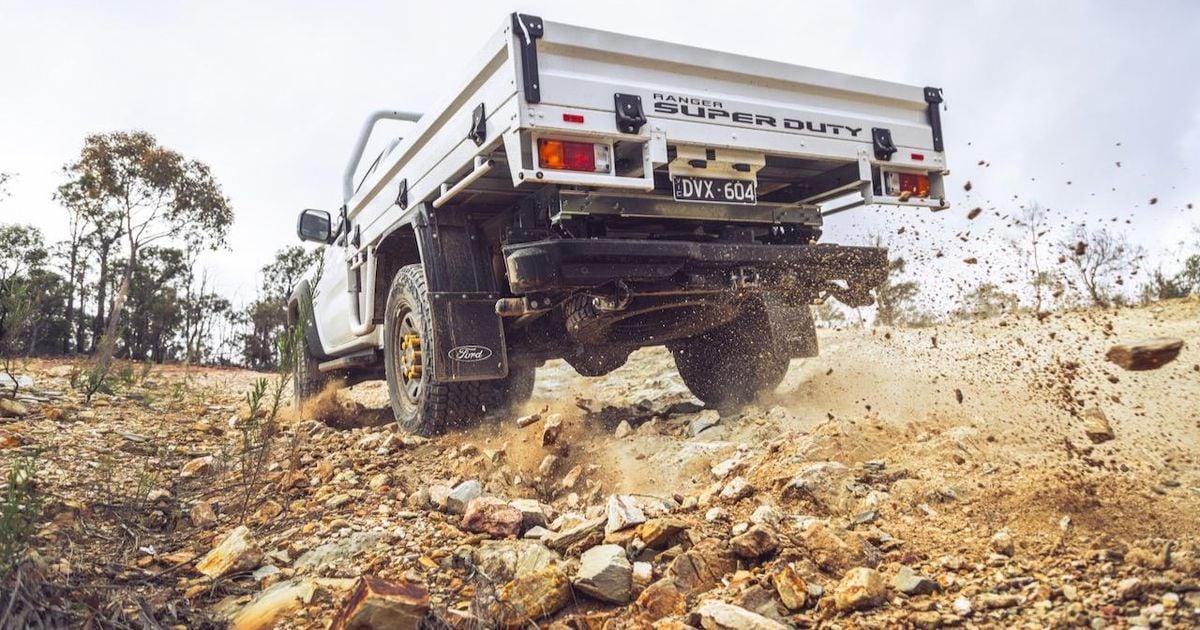
May 2026 delivered improved numbers for the two segment leaders. Ford Ranger 4x4 sales rose from 3,431 in April to 4,051 in May. Toyota HiLux 4x4 registered 3,685 in May, up from 2,535 in April. Those are meaningful monthly improvements for both brands.
But a single strong month in a year-on-year declining trend is not a recovery. May 2026 total vehicle sales sat at 96,844, below the 101,358 recorded in May 2025. The bounce in Ranger and HiLux numbers reflects seasonal buying patterns and specific promotions, not a structural reversal in ute demand.
The broader VFACTS data for 2026 has consistently shown the same pattern: EV and hybrid segments are growing, while the traditional 4x4 ute segment is giving ground. The VFACTS May 2026 results showed EVs hitting a record 20 per cent market share nationally, with much of that growth coming from buyers who would previously have considered a mainstream SUV or even a ute.
The Kia Tasman problem
The segment's struggles are visible in the Kia Tasman's sales performance. Kia entered the ute market with significant investment, designing the Tasman with Australian conditions and buyers specifically in mind. The result has fallen short of expectations.
Kia has since acknowledged the disappointment publicly and has promised engine and styling changes to address what buyers have flagged. The brand also slashed Tasman prices by up to $14,000 in a clear attempt to stimulate demand.
The Tasman's performance matters beyond Kia. It signals that simply entering the ute segment with a competent product is no longer enough. Buyers have more choice than ever, and the cost-of-living pressure that has compressed demand across the market is hitting larger, more expensive vehicles harder.
Why ute demand is softening
The FCAI data doesn't give buyers reasons, only numbers. But the pattern across 2026 points to several intersecting factors.
Cost of living is squeezing the segment. A mid-spec 4x4 ute now costs between $55,000 and $80,000 drive-away depending on brand and trim. For buyers who a few years ago stretched to a ute as a practical family vehicle, that price point has become difficult to justify when an SUV or a hybrid crossover covers most of the same use cases at a lower price.
Fuel costs have also changed the calculation. Before the electrified ute options reached meaningful volumes, diesel ute ownership made straightforward financial sense. Now that the Ford Ranger PHEV starts from $59,000 and the GWM Cannon Alpha PHEV is available from $54,480, buyers who were already questioning the fuel bill now have alternatives within reach.
The buyer who genuinely uses a ute for work, towing and off-road driving is still buying utes. The buyer who bought a ute for lifestyle and image is increasingly finding that a hybrid SUV does most of what they need at a lower running cost.
Toyota's position
Toyota has been Australia's most popular automotive brand for 23 consecutive years. The HiLux has topped or closely contested the best-selling vehicle chart every year since 2016, with the Ford Ranger overtaking it in 2023 and holding the top spot since.
The 18 per cent decline in the 4x4 ute segment is a direct pressure on Toyota's position. HiLux volumes are not collapsing, but they are softer than the brand needs to maintain its leadership margin. Toyota's broader Australian lineup is also under pressure from Chinese brands at multiple price points.
Ford invested more than $3 billion in developing the current-generation Ranger in Australia between 2016 and 2021. That investment produced a product that has consistently outsold the HiLux since 2023. But even a dominant product is exposed when the overall segment declines.
What's coming next
The electrified ute field is still filling out. Chery is planning a diesel plug-in hybrid dual-cab for late 2026. This is a direct play for the working-ute buyer who wants electrification without giving up diesel range and the towing capacity that diesel provides when the battery is flat.
If Chery's PHEV diesel ute lands with competitive pricing, it will add further pressure to the segment's existing players and likely accelerate the existing shift away from traditional petrol and diesel-only utes.
For buyers currently in or considering a 4x4 ute, 2026 is an interesting time. Prices are softer than in previous years. Dealers have more negotiating room. The electrified alternatives are mature enough to be genuine options. And the next wave of PHEV utes from more brands is coming.
If you're buying, the current market conditions favour you. If you're trading in, factor in that the segment as a whole is sitting on slightly softer resale ground than it was twelve months ago.
Carseekers helps Australian buyers compare new car pricing and access competitive quotes across the ute segment.
Considering finance for your next car? Loanseekers can help you explore car loan options.
The finer details
Your questions answered.
Are 4x4 ute sales falling in Australia in 2026?
Yes. FCAI data for 2026 shows 4x4 ute sales are down 18 per cent year-to-date, well ahead of the broader market decline of 4.5 per cent. Despite a monthly improvement in May for the Ford Ranger and Toyota HiLux, the year-on-year trend is clearly negative for the segment.
What is the best-selling ute in Australia in 2026?
The Ford Ranger has held the top spot as Australia's best-selling vehicle since 2023, ahead of the Toyota HiLux. In May 2026, the Ranger 4x4 sold 4,051 units, ahead of the HiLux 4x4 at 3,685. Despite the segment-wide decline, both brands are still posting the largest numbers in the dual-cab category.
Why is Kia Tasman not selling well in Australia?
Kia has publicly acknowledged the Tasman has missed sales expectations. Buyer feedback has focused on styling and engine concerns, and Kia has since promised both engine updates and design changes. The brand also slashed Tasman prices by up to $14,000 to improve competitiveness. The Tasman launched into a segment that was itself softening in 2026, which compounded its challenges.
Is now a good time to buy a 4x4 ute in Australia?
With 4x4 ute sales down 18 per cent in 2026, dealers have more flexibility than they have had in recent years. Buyers have better negotiating leverage, and manufacturers are supporting sales with competitive pricing and offers. EOFY deals in June 2026 are worth pursuing. For buyers who were already planning a ute purchase, the current market conditions are favourable.
Will ute prices keep falling in Australia?
Ute prices have softened in 2026 due to weaker demand and increased competition. However, prices are unlikely to fall dramatically further given the cost structure of modern utes. The bigger shift is in dealer flexibility and manufacturer support pricing rather than outright list price cuts. Electrified utes are also creating a broader price range across the segment.
What are the best alternatives to a traditional diesel ute in Australia?
The main alternatives are the GWM Cannon Alpha PHEV (from $54,480), the BYD Shark 6 and the Ford Ranger PHEV (from $59,000). All three offer significant fuel savings over diesel utes in typical Australian use cases while maintaining serious towing and off-road capability. For buyers who only occasionally need ute capability, a hybrid mid-size SUV may cover most needs at a lower cost.