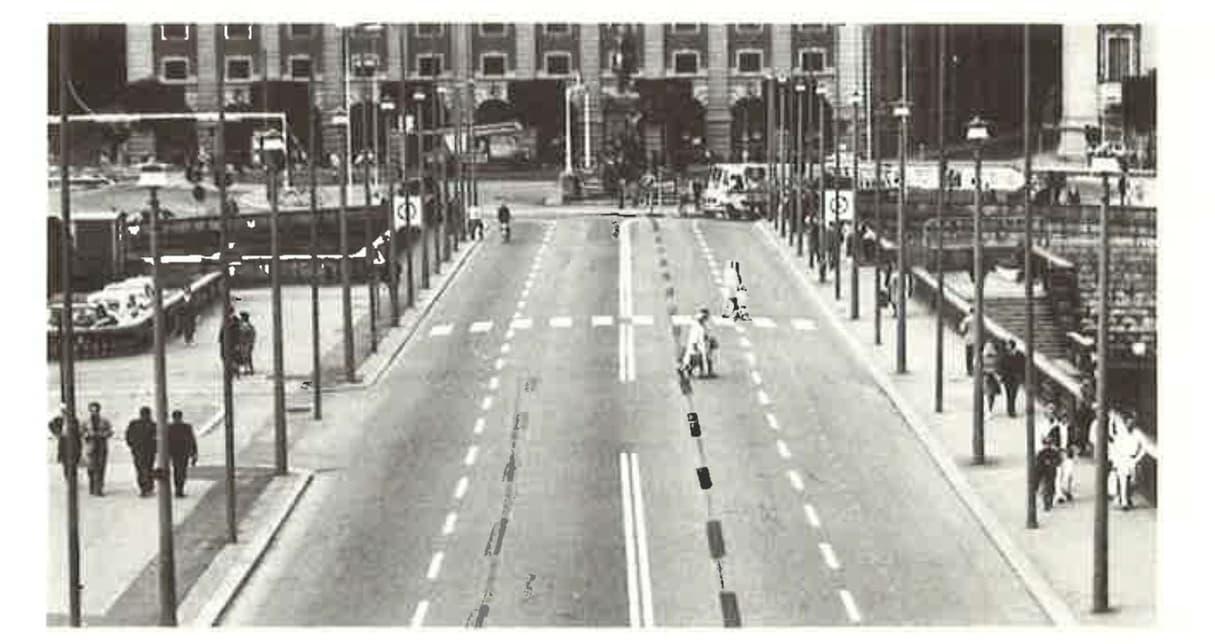
At 4:50 on the morning of Sunday, September 3, 1967, Sweden officially went onto the other side of the road. Every car on Swedish roads had been told to pull over and stop. Ten minutes later, led by a radio countdown, they all started driving on the right-hand side instead of the left.
It was 'Dagen H' — short for Dagen Högertrafikomläggningen (Right-hand Traffic Diversion Day) — and it went more smoothly than almost anyone predicted. Crash rates on Dagen H itself were actually below the daily average.
So could Australia — also a left-side driving country — do something similar? And what would it mean for the Australian new car market if we did?
Why Sweden Made the Switch
Sweden's case for switching had a specific logic. Despite driving on the left side of the road, almost all Swedish cars were left-hand drive. They shared land borders with Norway and Finland, which both drove on the right. Overtaking on Swedish roads was genuinely dangerous in a left-hand drive car on a left-side road. Fatal crash statistics supported the case for change.
The Swedish Parliament voted almost six to one in favour. Public education started four years before the change. Road signage, traffic lights, bus stops, and road markings were all shifted in a coordinated overnight operation.
The then-Minister of Communication told a national radio audience: "Never before has a country invested so much personal labour and money to achieve uniform international traffic rules."
Australia's situation is different in several critical ways. And those differences matter for the feasibility question.
What Australia Would Gain
The short answer: access to a vastly larger pool of vehicle models.
Right-hand drive is a minority global standard, shared mainly by Australia, the UK, Japan, India, New Zealand, and South Africa. The dominant global standard is left-hand drive — used in the US, Canada, Europe, China, South America, and most of Africa.
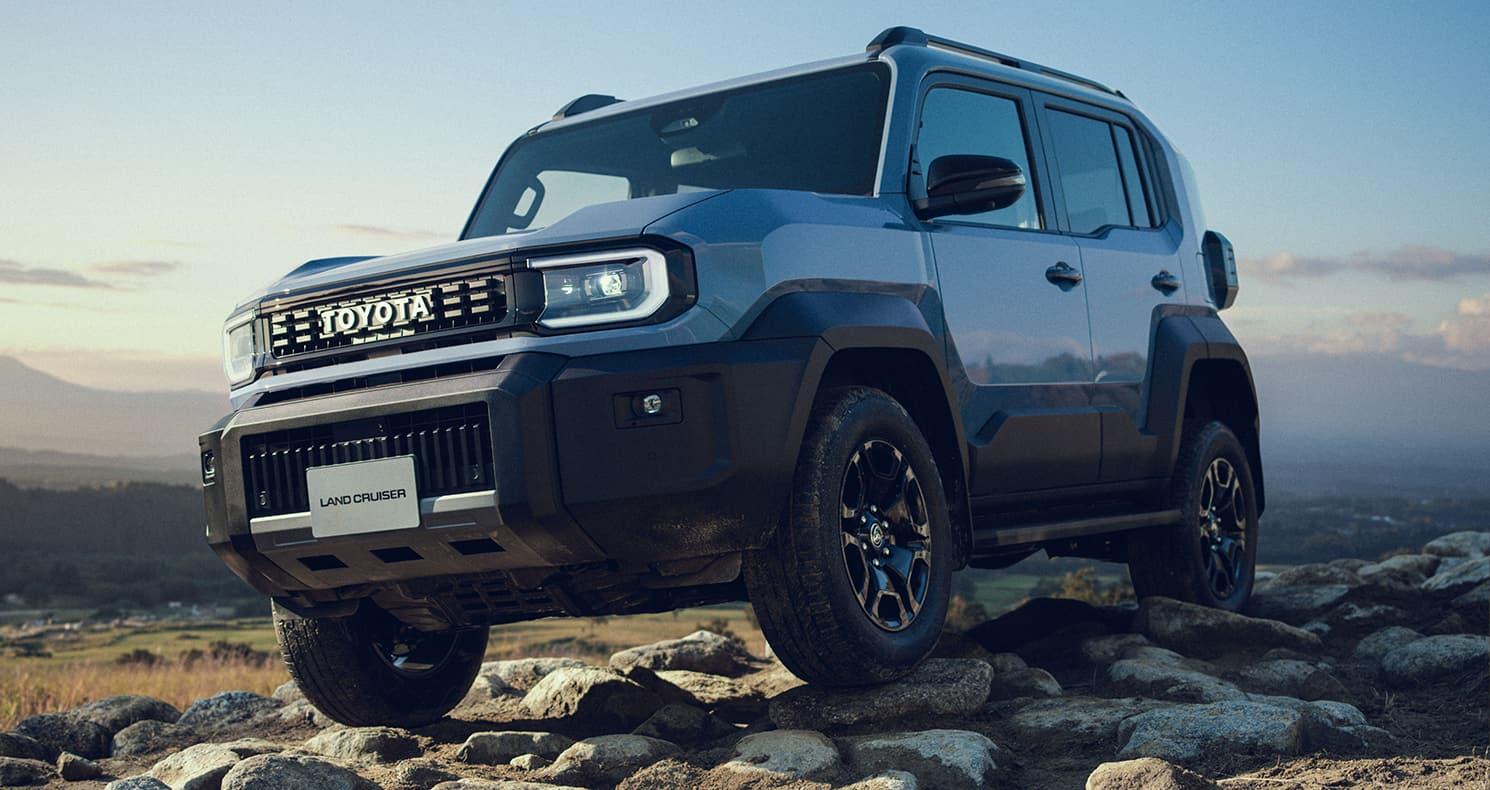
Vehicles that don't exist in right-hand drive often don't reach Australia at all. The Ford Bronco and Bronco Sport, for example, are hugely popular in the US but have never been available through official channels here. The Dodge Charger in its current generation is LHD only. The new Renault 4 and 5 E-Tech EVs are LHD. The Acura Integra Type S from the US doesn't exist in RHD.
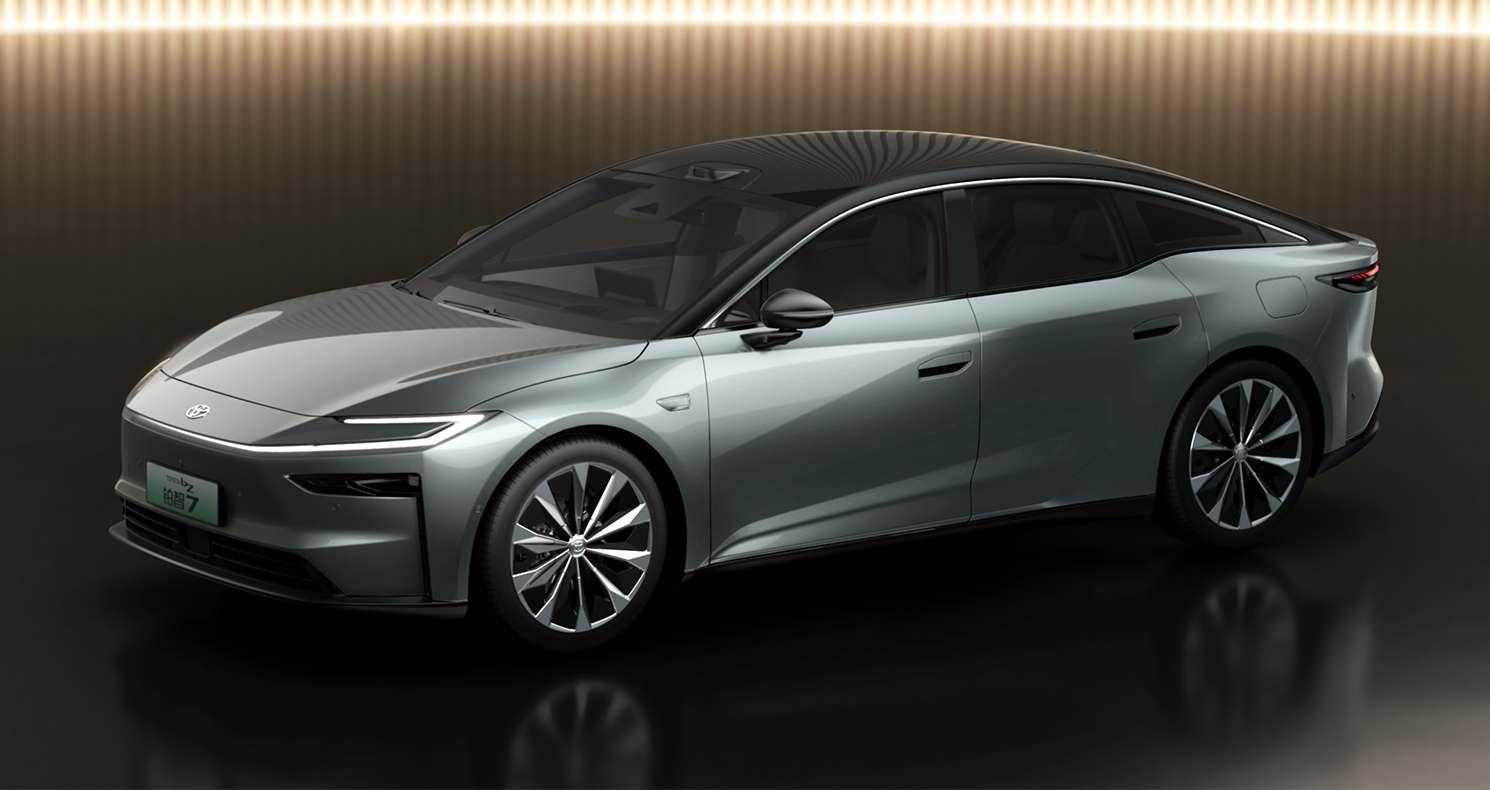
More significantly, Chinese EVs designed primarily for the LHD global market face higher engineering costs and longer development timelines to bring RHD versions to Australia. A switch to LHD would effectively give Australian buyers first-order access to the world's largest and fastest-moving vehicle market.
The Infrastructure Task
Here's where it becomes nearly impossible to contemplate seriously.
Sweden's 1967 switch required four years of preparation. Australia's road network is many times larger in physical extent, our population density is lower, and our regional infrastructure is significantly more varied. A full switchover would require:
Complete replacement or reversal of all road signage, including roundabout instructions, motorway interchange directions, and regional highway markers. Australia has hundreds of thousands of kilometres of managed roads.
Revision of all traffic signals, including pedestrian crossings, which are timed to Australian driving-side conventions.
Relocation of bus stops across every city and regional centre. In the current configuration, buses stop on the left kerb. Switching sides means rebuilding stop infrastructure across the entire transit network.
Complete driver re-education, including licence testing, L-plate and P-plate programs, and road rule updates across every state and territory — each of which has its own legislation.
Changes to road line markings, lane configurations, and intersection designs across the entire national road network.
The cost would run into the tens of billions of dollars at minimum. Sweden's 1967 experience cost roughly the equivalent of several billion dollars in today's money — for a country much smaller than Australia with a fraction of our road network.
The Vehicle Fleet Problem
Sweden's switch was also enabled by a specific circumstance: almost all Swedish cars were already LHD, so drivers were already sitting on the left side. They just needed to change which side of the road they used.
Australia is in the opposite position. Every car on Australian roads is RHD. A switch to left-side driving with LHD cars would mean either a massive forced fleet replacement — all existing vehicles would be wrong-sided — or a transitional period where both RHD and LHD vehicles coexisted on roads with changed driving conventions. Both options create serious safety risks.
New cars could transition to LHD over time, but the existing fleet of millions of vehicles doesn't disappear overnight.
The Realistic Assessment
A switch is not going to happen. The infrastructure cost, the fleet transition problem, and the political will required make it effectively impossible in any near-term timeframe. The comparison to Sweden is informative as a thought experiment but not as a policy blueprint.
What's more relevant for Australian buyers right now is the ongoing question of how manufacturers balance their investment in RHD variants. Several models that would sell well here — think Bronco, Bronco Sport, certain Chinese EVs — simply don't come because RHD engineering adds cost and time to a program primarily designed for LHD markets.
The practical solution isn't to switch sides. It's to reduce the cost barrier for RHD programs, which is partly a government policy question and partly a manufacturer economics question. Models that skip Australia due to RHD reluctance represent a genuine gap in the market, and that gap is worth understanding for any buyer watching the new model calendar.
What Australian Buyers Can Do Now
For models not available in Australia due to RHD constraints, Specialist and Enthusiast Vehicle Scheme (SEVS) imports offer a legal pathway for individual buyers willing to invest the time. The costs are meaningful — typically $10,000 to $30,000 above purchase price once compliance and shipping are factored in — but the pathway exists.
For mainstream buyers, Carseekers tracks the models that are genuinely coming to Australia in right-hand drive form. Knowing which models are confirmed versus which are perpetual rumours is half the battle in planning a new car purchase in a fast-moving market.
Considering finance for your next car? Loanseekers can help you explore car loan options.
The finer details
Your questions answered.
Does Australia drive on the left or right side of the road?
Australia drives on the left side of the road, which means all Australian cars have the steering wheel on the right (RHD). This is the same as the UK, Japan, India, and New Zealand. The majority of the world, including the US, Europe, and China, drives on the right with LHD cars.
What cars does Australia miss out on because of right-hand drive?
Several popular models are LHD only and don't come to Australia officially, including the Ford Bronco, Ford Bronco Sport, current Dodge Charger, Acura Integra Type S, and many Chinese EVs primarily designed for the European and US markets. Some models offer RHD versions specifically for Australia, the UK, and Japan.
Could Australia ever switch to left-hand drive cars?
It's practically impossible in any realistic timeframe. The infrastructure cost would run into tens of billions of dollars, the entire vehicle fleet would need replacing, and the political and logistical challenges would dwarf Sweden's 1967 switch. No serious policy proposal exists in Australia to make the change.
What was Sweden's Dagen H and why did it work?
Dagen H was September 3, 1967, when Sweden switched from left-side to right-side driving overnight. It worked because Swedish cars were already LHD, so drivers just needed to change lane position, not their car. Four years of preparation, full infrastructure changes, and a national education campaign supported the switch. Crash rates on the day were below the daily average.
Can I import a left-hand drive car to Australia legally?
Yes, through the Specialist and Enthusiast Vehicle Scheme (SEVS) for eligible vehicles. The compliance and importation costs typically add $10,000 to $30,000 above the vehicle purchase price. It is a viable but expensive pathway for buyers who specifically want a model not available in RHD.
Why don't more car brands offer right-hand drive versions of their models?
Converting a model from LHD to RHD requires significant engineering investment, including moving the dashboard, steering column, pedal box, and related systems. For models where the combined RHD market (Australia, UK, Japan, etc.) doesn't justify that cost, manufacturers skip the conversion entirely. That's why some popular US and Chinese models never officially arrive in Australia.