A new nationwide study from insurer ROLLiN' has ranked Australia's capital cities on how easy they are to actually live with an EV in. Canberra has come out top with a score of 84.37 out of 100, with Perth and Sydney rounding out the top three. Darwin sits at the bottom on 12.01, hamstrung by the highest public charging costs in the country.
The ranking is genuinely useful data because it measures more than just EV ownership numbers. It also takes in charging infrastructure density, public charging cost, and the rate of EV adoption growth since 2021. Carseekers has worked through what the numbers say and what they mean if you are considering an EV in different parts of the country.
The methodology
ROLLiN' analysed Greater Capital City Statistical Areas (GCCSAs) across four key measures. The first was the availability of charging infrastructure (chargers per 100,000 residents). The second was public charging cost (cents per kWh). The third was current EV ownership levels (EVs as a proportion of registered passenger and light vehicles). The fourth was adoption growth since 2021.
That four-pronged approach is the right way to measure EV friendliness. A city with lots of chargers but expensive electricity is not friendly. A city with low EV ownership but rapid growth is on the way to being friendly. A city with cheap charging but no chargers is theoretically friendly and practically frustrating.
Canberra's clear lead
Canberra topped the rankings with a score of 84.37 out of 100. The ACT has the highest EV uptake in the country, with more than three per cent of registered passenger and light vehicles being electric. The territory also has the strongest charging network density at more than 80 chargers per 100,000 residents.
A few factors are driving that. The ACT government has been the most proactive of any state or territory on EV incentives over the past five years, with stamp duty exemptions, registration discounts, and a network of taxpayer-funded chargers across the city. The compact geography of Canberra also means even moderate charger investment produces good per-resident coverage.
For an EV buyer in Canberra, the practical experience is the closest Australia comes to European norms. Reliable chargers in supermarket carparks, predictable pricing, and a steady stream of EVs on the road that makes ownership feel mainstream rather than novel.
Perth and Sydney in the chasing pack
Perth and Sydney ranked second and third respectively. Both cities recorded EV ownership rates above one per cent of registered vehicles and relatively moderate public charging costs.
Perth's strong result is the surprise. The Western Australian government has been less aggressive on incentives than the ACT, but the city has benefited from rapid private investment in charging infrastructure, particularly along the major north-south corridors. EV adoption growth in Perth has been running between 95 and 115 per cent annually since 2021.
Sydney's ranking is consistent with the size of its EV-curious buyer base. The NSW government has invested in highway charging through the Electric Vehicle Strategy, and the population density across metro Sydney supports both public and destination charging in retail and hospitality precincts. The trade-off is that public charging during peak times can be busy, particularly along the major corridors out of the city.
Melbourne and Brisbane in the middle
Melbourne and Brisbane occupied the middle of the rankings. Both cities have expanding charging infrastructure but face increasing pressure on charger demand as EV ownership rises.
That is the predictable next-stage problem. Once a city's EV population crosses a critical mass, the existing public charging network gets stretched, and buyers start to experience queueing at fast chargers on weekends and holidays. Brisbane in particular has been adding chargers at pace but not fast enough to keep up with the growth in EV registrations.
For Melbourne and Brisbane buyers, the practical implication is that home charging matters more than ever. If you have off-street parking and can install a wall-box, your EV ownership experience will be excellent. If you cannot, you will become familiar with the location and reliability of every public charger within a 5km radius of home.
Darwin's challenge
Darwin ranked eighth overall with a score of 12.01 out of 100. The Northern Territory capital recorded the highest average charging costs in the country at $0.77 per kWh, alongside relatively limited charging infrastructure and EV ownership below one per cent of registered vehicles.
The 77 cents per kWh figure is worth dwelling on. At that public charging rate, the cost of running an EV starts to converge with the cost of running an efficient hybrid, which fundamentally undermines the running-cost case for EV adoption. A Darwin buyer relying on public charging would spend close to $40 to fast-charge a 60kWh battery, against around $20 for a Sydney buyer on the same equipment.
The encouraging counter-trend is that Darwin showed the fastest EV adoption growth nationally at 130.5 per cent. Off a low base, that is meaningful demand emerging despite the infrastructure cost barriers. The market is signalling that NT buyers want EVs, even if the public charging economics make it harder than elsewhere.
What the rankings mean for buyers
The practical takeaway depends on where you live. If you are in Canberra, Perth or Sydney, the public charging picture is now good enough that EV ownership without home charging is genuinely viable, particularly for buyers in apartments or rental properties.
If you are in Melbourne or Brisbane, EV ownership works well with home charging but is increasingly busy on the public network. Plan for charging time on highway trips, particularly during school holiday peaks.
If you are in Darwin, or in a regional centre outside the major cities, the EV case still depends heavily on having home charging available. The public network is not yet at a state where you can rely on it as your primary energy source.
Regional Australia is the next frontier
The ROLLiN' study explicitly focuses on capital cities, but the regional picture is the more important story for long-term EV adoption. Charger density along key tourist routes like the Great Ocean Road, the Pacific Coast and the Hume Highway has improved markedly in the past two years, but the inland routes remain thinner.
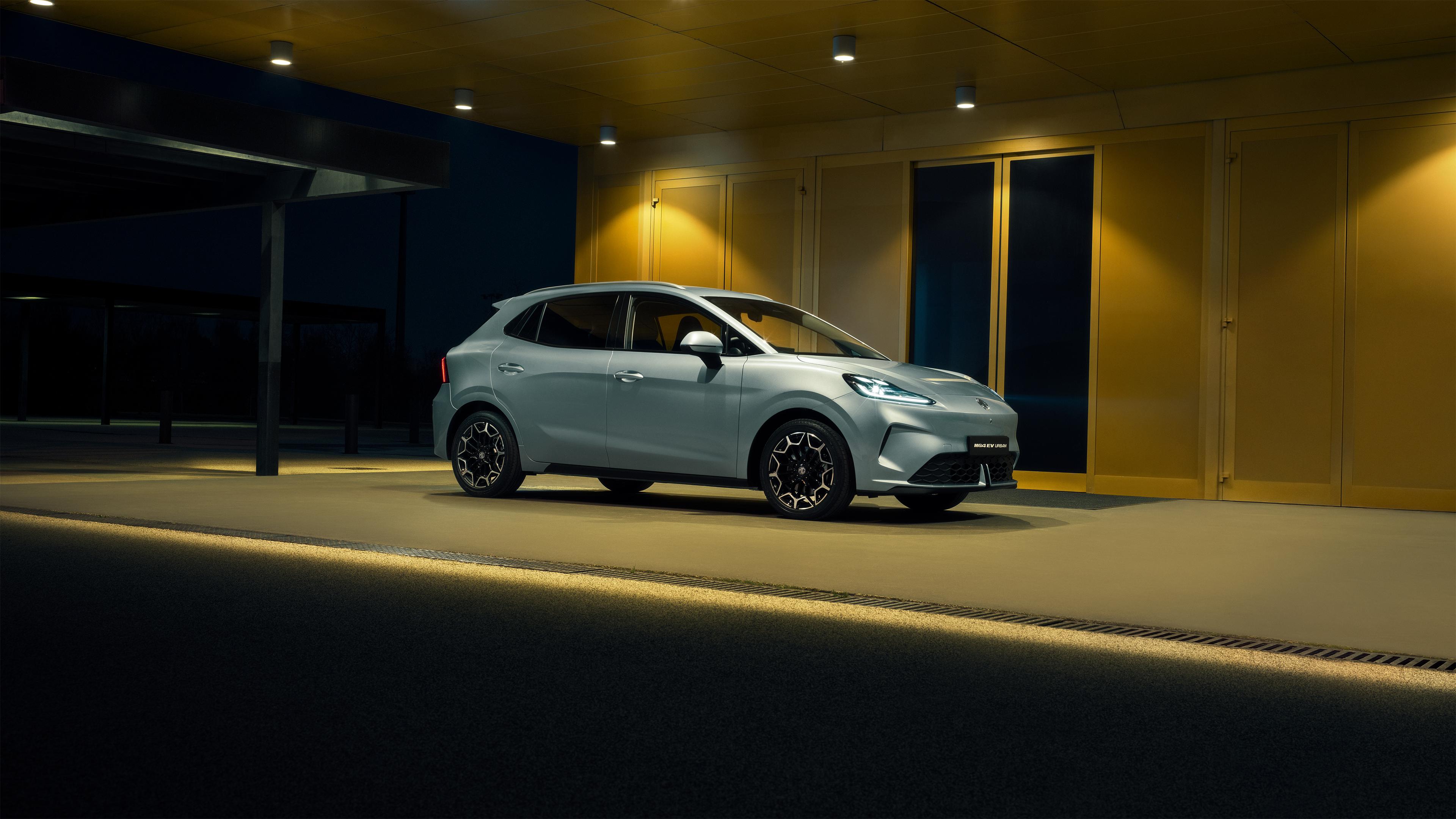
For regional buyers cross-shopping a Hyundai Kona, MG 4 or BYD Atto 3 against a diesel SUV, home charging is essentially a prerequisite. With it, the running cost case is strong. Without it, public charger access often closes the case before it opens.
Dealer behaviour and the charging conversation
This is the bit dealers have not yet really started to do well. Most EV dealer conversations still focus on range, acceleration and infotainment, when the genuinely important conversation for a buyer is what their actual daily charging experience will look like.
A good EV dealer interaction in 2026 should include questions about your home charging setup, your typical weekly driving distance, your nearest workplace charger options, and what public charging networks operate in your area. Most dealers do not yet ask any of those questions, partly because their sales training is still oriented around combustion-engine cars.
If you are EV-shopping, do the homework yourself. Map the public chargers in your suburb, check the live availability data on the PlugShare or ChargeFox apps, and understand what your home electricity tariff looks like for an off-peak EV charge. The economics genuinely flip with that information in hand.
The Carseekers view
The ROLLiN' study is the clearest snapshot yet of how the EV ownership experience differs across Australia. The gap between the top and bottom of the ranking is large enough to materially change the case for ownership, particularly if you do not have home charging.
The broader trend is encouraging. Even Darwin, the lowest-ranked city, is growing EV adoption at over 130 per cent annually. Supply, infrastructure and price are all moving in the right direction across every city in the country. The pace of that movement varies, and where you live still affects the experience, but the trajectory is consistent.
If you are considering an EV, ROLLiN's report is a useful sanity check. The car you choose matters less than the charging environment you charge it in. Get the second part right and the first part takes care of itself.
Considering finance for your next car? Loanseekers can help you explore car loan options.
The finer details
Your questions answered.
Which Australian capital is the most EV-friendly?
Canberra topped the ROLLiN' 2026 ranking with a score of 84.37 out of 100. The ACT recorded the country's highest EV uptake (over 3 per cent of registered light vehicles), the strongest charging network density (over 80 chargers per 100,000 residents), and the most proactive government EV incentives nationally.
Where do Perth and Sydney rank for EV friendliness?
Perth ranked second and Sydney third. Both cities have over 1 per cent EV ownership, moderate public charging costs, and annual EV adoption growth between 95 and 115 per cent since 2021. Perth's result is partly driven by rapid private investment in highway charging infrastructure.
Why is Darwin the worst-ranked city for EV ownership?
Darwin scored 12.01 out of 100 due to the highest public charging costs in Australia ($0.77 per kWh), limited charging infrastructure and EV ownership below 1 per cent. At those rates, a Darwin EV buyer relying on public charging spends nearly twice what a Sydney buyer would for the same fast-charge.
How much does it cost to fast-charge an EV in Australia?
Public DC fast-charging in Australia typically runs between $0.45 and $0.77 per kWh depending on city, network and time of day. A 60kWh full charge therefore costs $27 to $46 at the high end. Home charging on an off-peak EV tariff is dramatically cheaper at $5 to $20 for the same energy.
Can I own an EV without home charging in Australia?
It depends where you live. In Canberra, Perth and Sydney, the public charging network is dense enough that EV ownership without home charging is genuinely viable. In Darwin, regional towns, and to a growing extent Melbourne and Brisbane during peak periods, home charging is still effectively a prerequisite for a stress-free EV experience.
Which EV adoption is growing fastest in Australia?
Darwin showed the fastest EV adoption growth nationally at 130.5 per cent year on year, off a low base. Perth and Sydney recorded growth between 95 and 115 per cent. The pattern suggests buyers across the country want EVs even where the supporting infrastructure is still catching up to demand.