
Australia is finally getting a diesel plug-in hybrid ute, and no rival has one
Chery has locked in the fourth quarter of 2026 for the local launch of its first ute, the Stockman, and it arrives with a drivetrain no other brand sells here. It pairs a 2.5-litre turbo-diesel engine with electric drive to create Australia's first diesel plug-in hybrid ute.
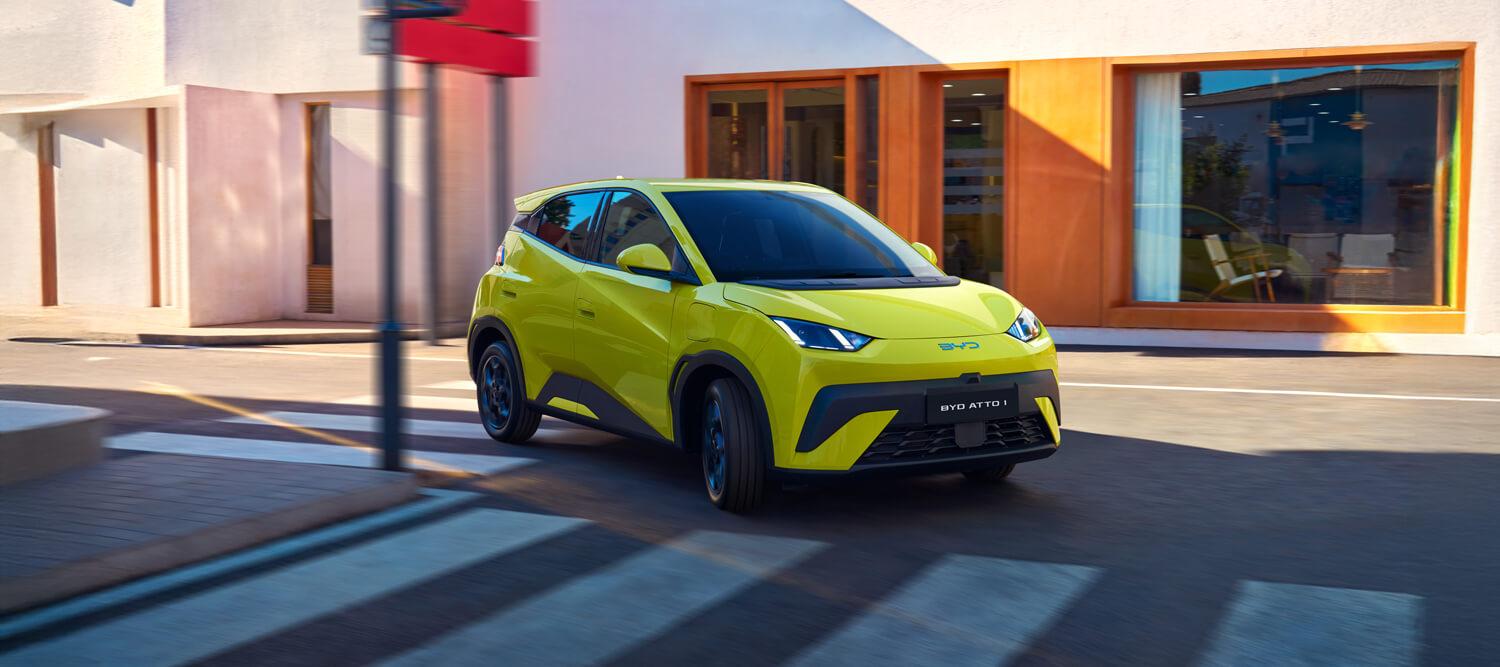
That matters because every other plug-in ute on sale runs petrol. The BYD Shark 6, the Ford Ranger PHEV and the JAC Hunter all use petrol-electric setups. Chery took the harder path, and it did so before Toyota, the brand that effectively wrote the book on both diesel utes and hybrid power.
The headline numbers are 350kW and 800Nm to all four wheels
The Stockman's diesel plug-in hybrid system produces a combined 350kW of power and 800Nm of torque, sent to all four wheels. Chery has not yet split out the diesel engine's outputs from the electric motors, and it has not confirmed the transmission.
On paper that is serious grunt. It matches the BYD Shark 6 for power and adds 100Nm more torque. The JAC Hunter still edges it on outright power, but the Stockman's diesel-electric pairing is built for low-down pulling force, which is what actually matters when you are loaded up or towing.
Torque is the whole argument here. Diesel and electric motors both make their strongest effort down low. Stacking them together gives the Stockman a shove off the line that petrol plug-ins struggle to match.
The 100km EV range figure comes with a catch
Chery quotes up to 100km of electric-only driving. Read the fine print before you get excited. That number is measured under the older, more generous NEDC test cycle, not the tougher WLTP standard most buyers now recognise.
In the real world, expect closer to 80km on a charge. That is still enough to cover a typical commute on electricity alone, waking the diesel only for longer trips or heavy work.
Chery has not confirmed the battery size, but industry expectation puts it around 30kWh, similar to the Shark 6 and JAC Hunter. The GWM Cannon Alpha PHEV runs a larger 37kWh pack and claims a little more electric range.
It tows 3500kg and carries a tonne, so it counts as a real work ute
This is where plug-in utes usually fall down, and where the Stockman looks strong. It is rated to tow 3500kg braked and 750kg unbraked, the numbers tradies and caravan owners treat as non-negotiable.
Chery has also indicated a payload of up to 1000kg on some variants, though the final figure is not locked in. If that holds, the Stockman clears the one-tonne bar that the BYD Shark 6 has been criticised for missing.
The tray measures 1560mm long, 1560mm wide and 500mm deep. That is a usefully large load bed, and it is wider than the Shark 6's tub.
Built to go bush, not just to look tough in a car park
Chery says the Stockman is engineered to tackle challenging terrain, and for once the hardware backs the marketing. It has more than 247mm of ground clearance, standard all-terrain tyres, and individually selectable front, centre and rear differential locks.
Add crawl control, a tight-turn assist function and low gearing, and this is a ute set up for genuine off-road work rather than a lifted look. Suspension is double-wishbone at the front with a leaf-spring rear, the same proven layout used across the Ford Ranger and Toyota HiLux class.
Chery has also promised the ride, handling and active safety systems will be locally tuned for Australian roads and conditions.
It is bigger than a HiLux or Ranger, and that cuts both ways
The Stockman is a big unit. At 5450mm long, 2010mm wide and 1890mm tall on a 3250mm wheelbase, it is 100mm to 200mm longer and at least 100mm wider than the top-selling HiLux and Ranger.
That size puts it closer to the GWM Cannon Alpha and the larger plug-in utes than to a traditional mid-sizer. More cabin space and a bigger tray is the clear upside.
The downside is real too. Extra width makes tight tracks, older garages and city car parks harder work. Factor that in before you commit.
Why a newcomer cracked diesel-hybrid first
There is a policy reason this ute exists at all. Australia's New Vehicle Efficiency Standard is starting to penalise high-CO2 vehicles, and utes are squarely in the firing line. Those penalties get steeper every year to 2030, and carmakers pass them on to buyers.
Brands can offset the fines by selling electric and plug-in models. That leaves diesel-heavy players like Ford, Isuzu, Mazda, Mitsubishi and Toyota exposed, while a plug-in ute lets Chery sidestep the worst of it.
Chery's engineering boss has argued rivals chose petrol plug-ins simply because they are easier to build, not because they work better in a ute. The Stockman is the bet that diesel-electric is the smarter answer for towing and off-road buyers.
What it will cost, and where dealers will play games
Chery has not announced pricing, and that silence is worth watching. Early expectation points to a starting figure near the BYD Shark 6's $57,900 before on-road costs, which would make the Stockman sharp value for the capability on offer.
Here is the buyer warning. Launch-phase utes from newer brands often arrive in a single high-spec grade first. Dealers then lean on limited early stock to hold firm on price and push accessories, protection packs and finance add-ons.
Do not accept a drive-away number at face value. Ask for the price broken down, compare it against a Ford Ranger PHEV or JAC Hunter quote, and make the dealer earn the sale. That homework is exactly what Carseekers exists to do for you.
Should you wait for the Stockman?
If you tow heavy, work off-road and want plug-in running costs without giving up diesel torque, the Stockman is worth holding out for. On the numbers it targets the exact weaknesses that have held back petrol plug-in utes.
The unknowns are price, final payload and how a first-time ute maker handles warranty and service in the real world. A petrol plug-in version follows in 2027 for buyers who want the same body with a different heart.
Our advice is simple. Wait for the full pricing and specification reveal later this year before signing anything, and let Carseekers chase the sharpest drive-away deal once the Stockman lands.
Considering finance for your next car? Loanseekers can help you explore car loan options.
The finer details
Your questions answered.
When does the Chery Stockman go on sale in Australia?
Chery has confirmed the Stockman diesel plug-in hybrid ute for the fourth quarter of 2026. Full pricing and specifications land closer to launch, and a petrol plug-in hybrid version joins the range in 2027.
How much will the Chery Stockman cost in Australia?
Chery has not confirmed pricing yet. Early expectation puts the starting figure near the BYD Shark 6's $57,900 before on-road costs. Wait for the official price list before signing anything, and get any drive-away quote broken down line by line.
How far can the Chery Stockman drive on electric power?
Chery claims up to 100km of electric-only range, but that is measured on the older NEDC test cycle. Under the tougher WLTP standard, expect closer to 80km. That still covers most daily commutes before the diesel engine needs to run.
How does the Chery Stockman compare to the BYD Shark 6?
The Stockman matches the Shark 6's 350kW but adds 100Nm more torque and uses diesel instead of petrol for its hybrid system. It also tows 3500kg and is tipped to carry a full tonne, addressing the payload complaint levelled at the Shark 6.
Should I wait for the Chery Stockman or buy a ute now?
If you tow heavy or drive off-road and want plug-in running costs with diesel torque, the Stockman is worth waiting for. The open questions are price, final payload and how Chery handles warranty and servicing. Hold off until the full reveal before committing.
Can the Chery Stockman tow 3500kg and go off-road?
Yes. Chery rates it at 3500kg braked and 750kg unbraked towing. It also has more than 247mm of ground clearance, standard all-terrain tyres, front, centre and rear diff locks, crawl control and low gearing for genuine off-road use.