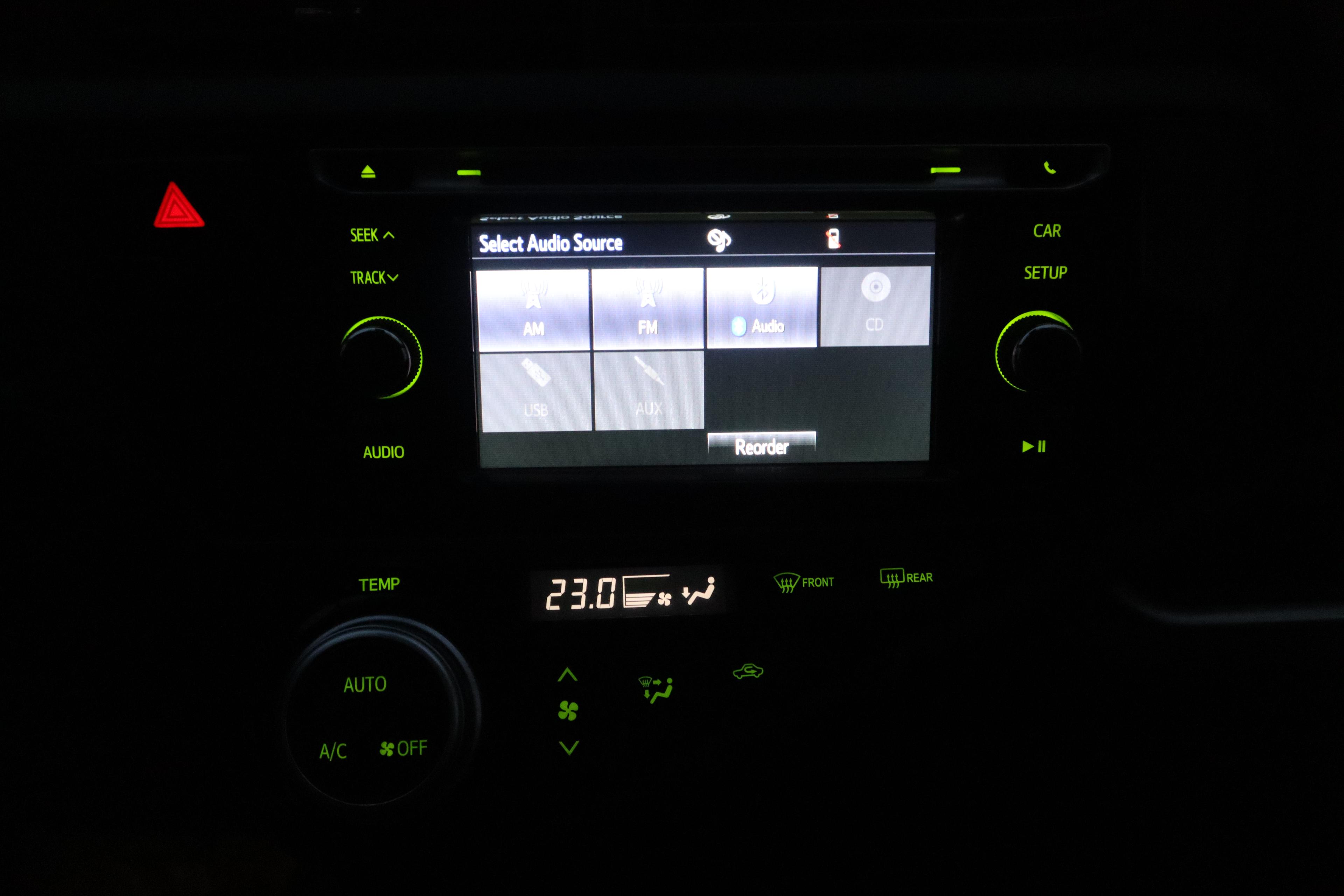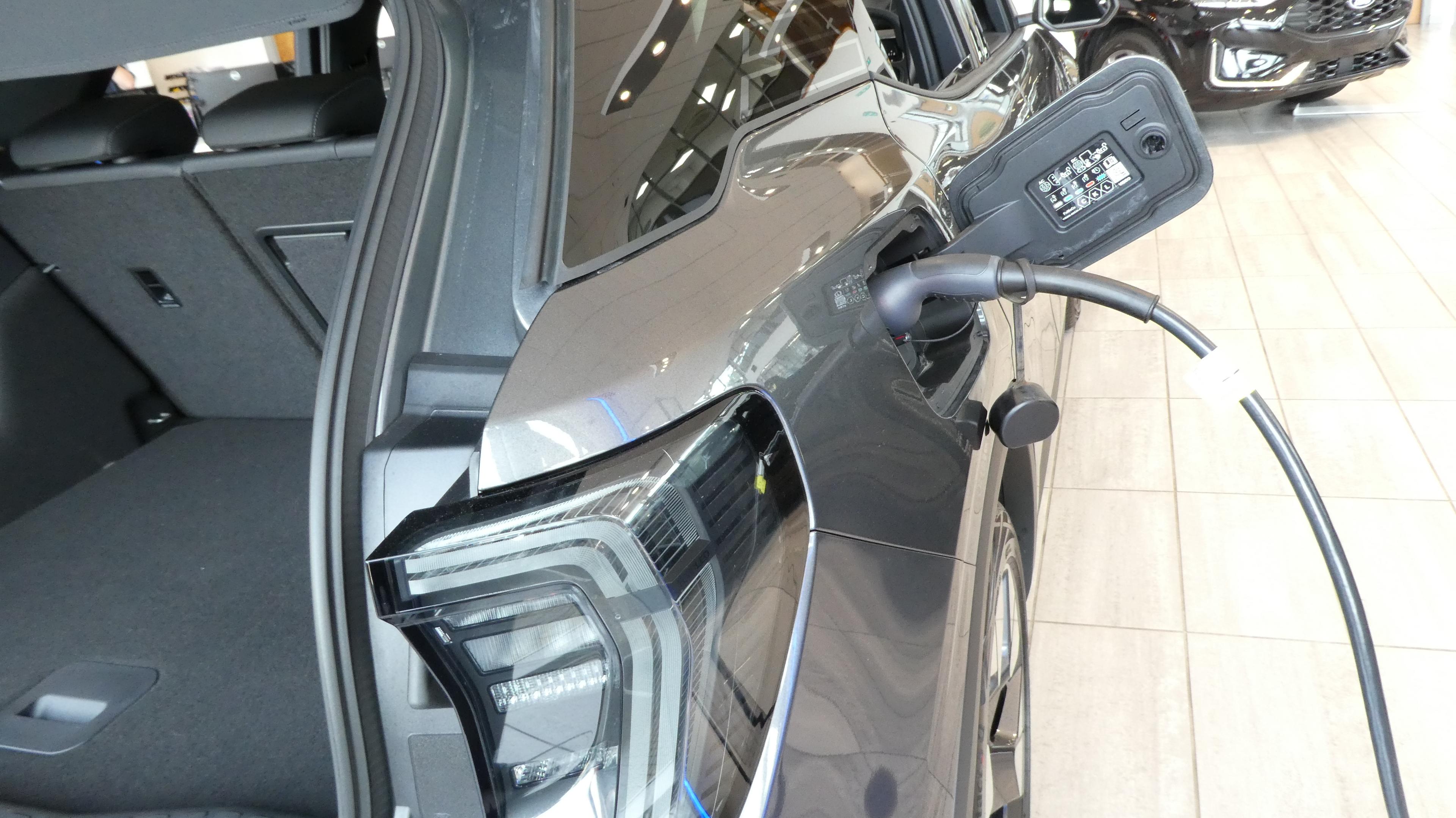
A Type 2 charging cable connected to a vehicle. Illustrative connector context; check the equipment supplied with the actual car. Previews may crop the photograph.
Photo: Pamsimhaho · CC0
EV charging cables belong on the packing checklist before a long trip. Check the actual car's inlet and charging instructions, then match them to the connectors listed at your planned stops.
The Australian Government's charging-equipment guide distinguishes Type 2 AC charging, CCS2 DC fast charging and CHAdeMO. It says AC charging commonly requires your own cable, while DC fast chargers have the cable attached.
Separate the three equipment questions
Car: what AC and DC connections does this exact vehicle support, and what equipment was actually supplied with it? Check a used car's boot rather than assuming the original cable is still there.
Station: is it an AC socket needing your cable, or a charger with an attached lead? Confirm the connector shown in the operator's current listing, not just the station's headline power.
Access: can your car use that network and site, and what app, payment method or account is needed? A matching plug is not evidence that every network permits every car.
Tesla's Australian site guidance tells drivers of other makes to check the app or map for sites open to their vehicles. Apply that compatibility check before making a station your only planned stop.
Pack by the stop you intend to use
For a suitable untethered AC stop, pack the compatible cable specified for your car and charging equipment. For a compatible DC stop, check the attached connector and whether its reach suits your charge-port position.
Carry an adapter only when the vehicle and charging-equipment suppliers approve that exact use. Do not assume an adapter changes the car's charging capability or makes an unsupported connection suitable.
Keep equipment dry, stored and inspected according to its instructions. Damaged equipment or a connection you cannot positively identify is a reason to seek operator assistance, not improvise a repair.
Save a usable backup
Record the main stop, connector, access hours, payment method and an alternative reachable within the car's remaining energy. Check again close to departure because site access and operating status can change.
Our home-charger guide covers the separate installation decision. A home charging lead and the cable needed at a public AC socket are not automatically the same purchase.
When comparing cars, include any missing approved travel equipment in the budget. If considering vehicle finance, visit Loanseekers with the agreed car price and a separate list of missing travel equipment.