
The third edition of financial comparison site Savvy's electric vehicle attitudes study has just landed, and the findings paint a more nuanced picture of Australian EV adoption than the headlines suggest. Cost and range concerns are softening, the average new EV is genuinely more affordable than three years ago, and yet a clear majority of buyers still say their next car will run on petrol or diesel.
This is the kind of data that car brands quietly read closely and politely ignore in public, because it complicates the narrative on both sides of the EV debate. Carseekers thinks the Savvy numbers are worth a close look, because they reveal a market that is moving faster on supply than on actual buyer sentiment.
The cost barrier is finally falling
The most striking finding is the collapse of price as the primary EV objection. In the 2021 and 2023 editions of the Savvy study, 76 per cent of respondents said price was the biggest barrier to EV ownership. In 2026, that figure has fallen to 49 per cent.
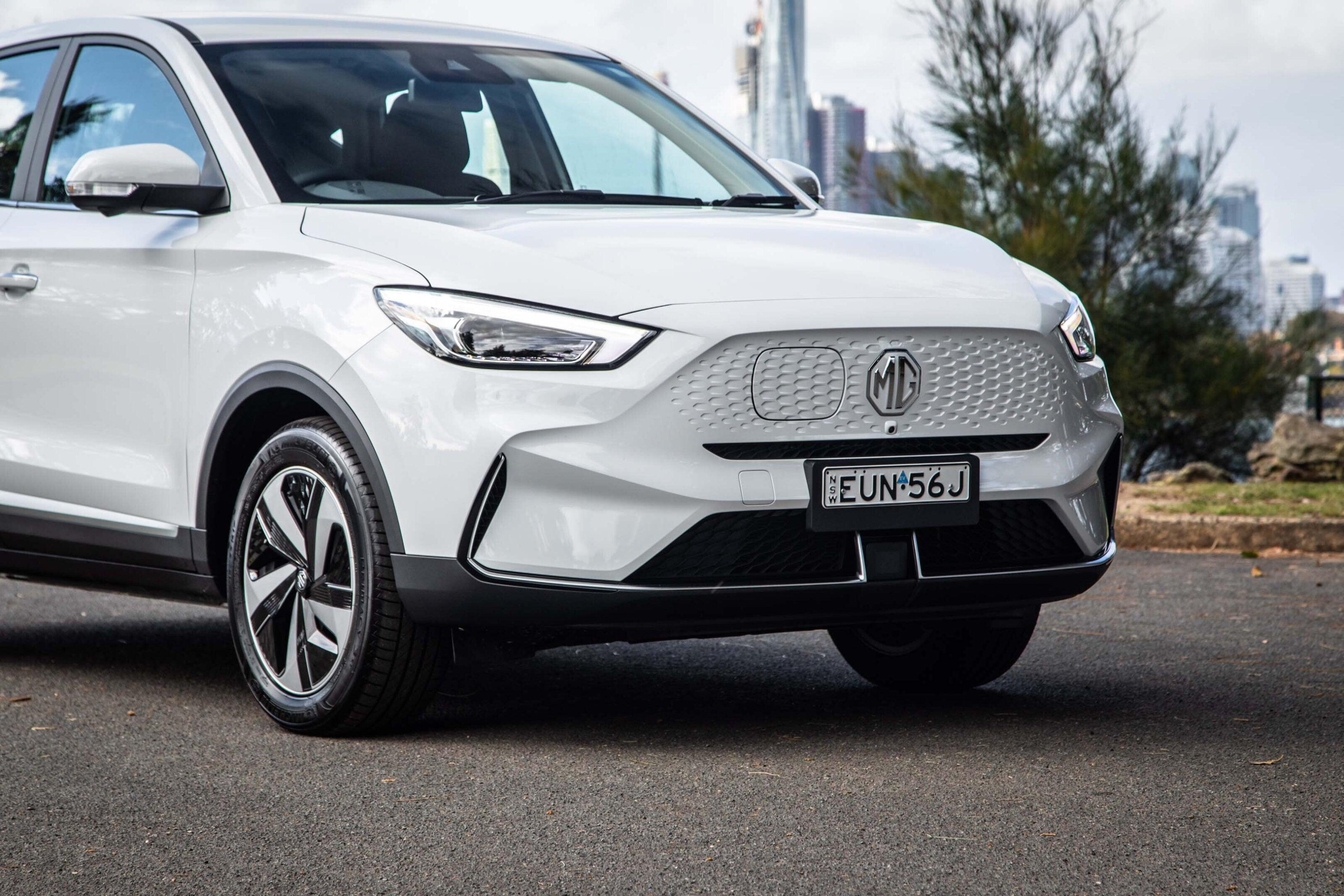
That is not a marketing illusion. The Australian EV market has gone from 17 brands offering at least one electric model in 2021 to 40 brands in 2026. The cheapest EV in 2021 was the MG ZS EV at $44,990 drive-away. In 2026, there are more than 10 electric models priced from under $40,000, and longer-range premium EVs are rapidly approaching price parity with internal combustion equivalents in the same segment.
The BYD Atto 3, MG 4, GWM Ora, and newcomers like the Geely EX5 have done the heavy lifting at the affordable end. A buyer with a $40,000 budget now has genuinely viable electric options in 2026, where in 2021 they had effectively one car to choose from.
Range anxiety is also softening
The second softening trend is around range. In 2021, 39 per cent of respondents cited range anxiety as a concern. That climbed slightly to 41 per cent in 2023. In 2026, it has fallen to 29 per cent.
Again, the numbers reflect reality on the showroom floor. Where a sub-$50,000 EV three years ago might have offered 300km of WLTP range, the 2026 equivalent typically claims 450km or more. The MG S6 EV just landed in Australia at $49,990 drive-away with a 530km claimed range. The Geely EX5 is at similar money with 450km. Real-world range on those cars sits comfortably above the daily driving needs of more than 90 per cent of Australians.
The other quiet contributor is the maturing public charging network. Chargefox, Evie, Tesla Supercharger and Ampol AmpCharge networks have all materially expanded across the past two years, with high-power 150kW-plus chargers now reasonably reliable on most major highway routes between capital cities.
So why has petrol preference actually grown?
Here is where the data turns counter-intuitive. Despite cost and range concerns easing, more buyers in 2026 say they would prefer a fuel-based car for their next purchase than at any point in the study's history.
In 2026, 82 per cent of survey respondents indicated they would prefer a petrol or diesel car. In 2023, that figure was 16 per cent. In 2021, only 13 per cent.
That is a remarkable swing, and it does not match the rising EV sales figures that paint Australia as accelerating toward electrification. The Federal Chamber of Automotive Industries reported EVs hit 16.4 per cent of new car sales in April 2026, more than double the 6.6 per cent figure from a year earlier.
The two data points can both be true. EV buyers are buying enthusiastically. Petrol buyers are increasingly digging in. The middle ground of casually EV-curious buyers is thinning.
What is driving the petrol preference
The Savvy report does not unpack the petrol preference shift in detail, but a few practical factors are likely at play.
First, the political conversation around EVs in Australia has become noisy and polarising. Federal incentives have been mixed, state-level policies have diverged, and the talk of road user charges on EVs has muddied the long-term cost story. Buyers who do not want to read policy papers are defaulting to what they know.
Second, hybrid and plug-in hybrid options have multiplied. A buyer who wanted lower fuel costs in 2021 had to consider a full EV. In 2026, they can buy a hybrid Toyota Camry, a plug-in hybrid Tiguan, or even a plug-in hybrid ute like the BYD Shark 6 or the GWM Cannon Alpha. The hybridised middle of the market is absorbing buyers who would otherwise have moved straight to EV.
Third, charging access remains a genuine problem for renters and apartment dwellers. The Savvy report found 47 per cent of respondents were either renting or living in apartments without the ability to install a dedicated EV charger. That is a hard barrier that no amount of cheaper EV sticker pricing can fix.
Home charging is the hidden variable
The report notes that 77 per cent of buyers did not know what it costs to charge an EV at home, with 47 per cent overestimating the actual cost. That is a meaningful information gap, and it is exactly the kind of thing dealers should be addressing in the showroom and are largely not.
A typical Australian home charger pulls electricity at around 25 to 35 cents per kWh on a flat residential tariff, or as low as 8 to 15 cents per kWh on an off-peak EV plan. A 60kWh battery full charge therefore costs somewhere between $5 and $20 depending on your plan. The equivalent petrol fill on a similar-size SUV runs at $80 to $120 at current pump prices.
When buyers do not know that number, they default to assuming EVs are expensive to run on top of being expensive to buy. That assumption is wrong, and it is one of the easiest concerns a salesperson could address by simply showing the calculation.
The brands Australians actually want
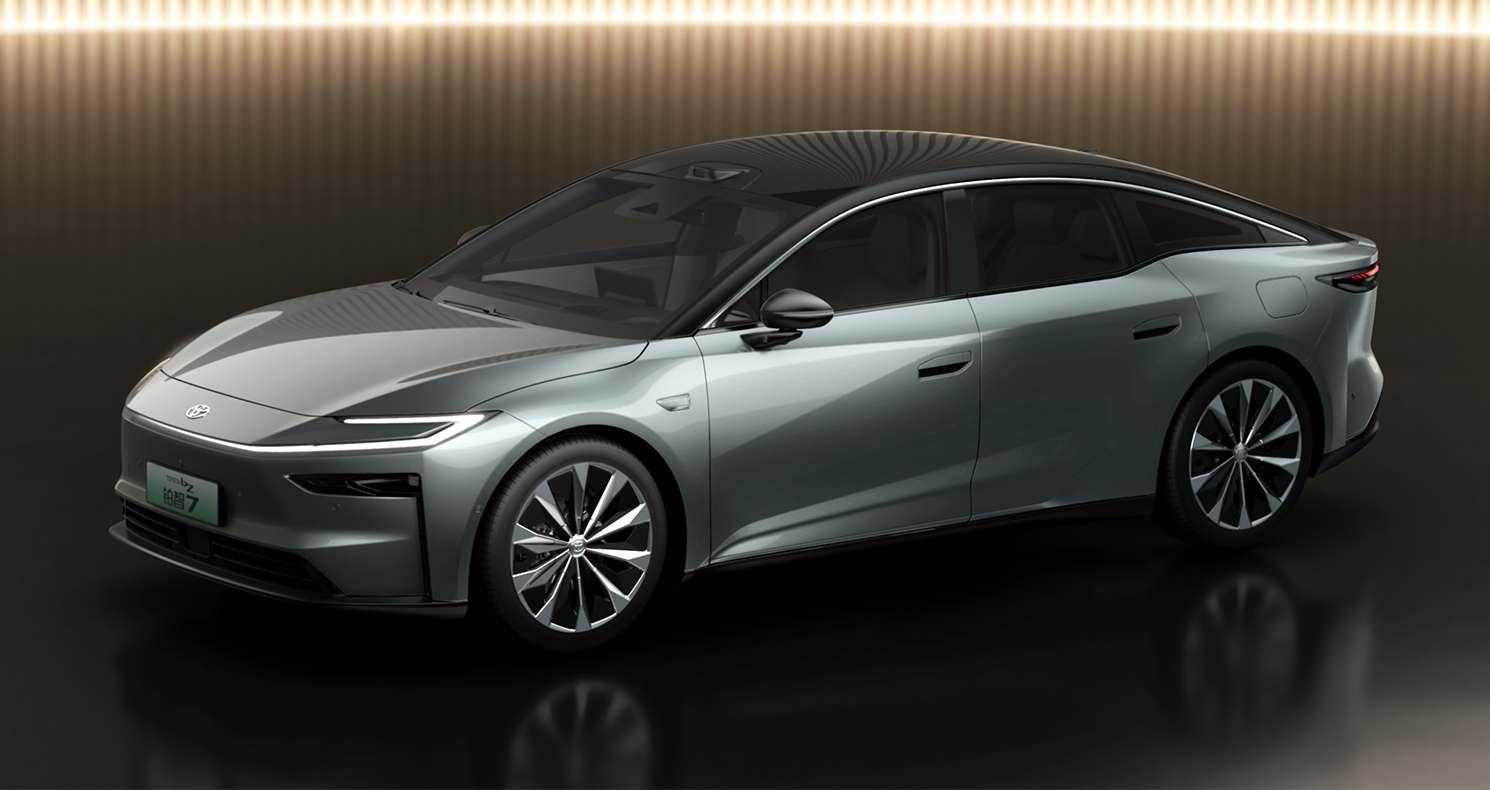
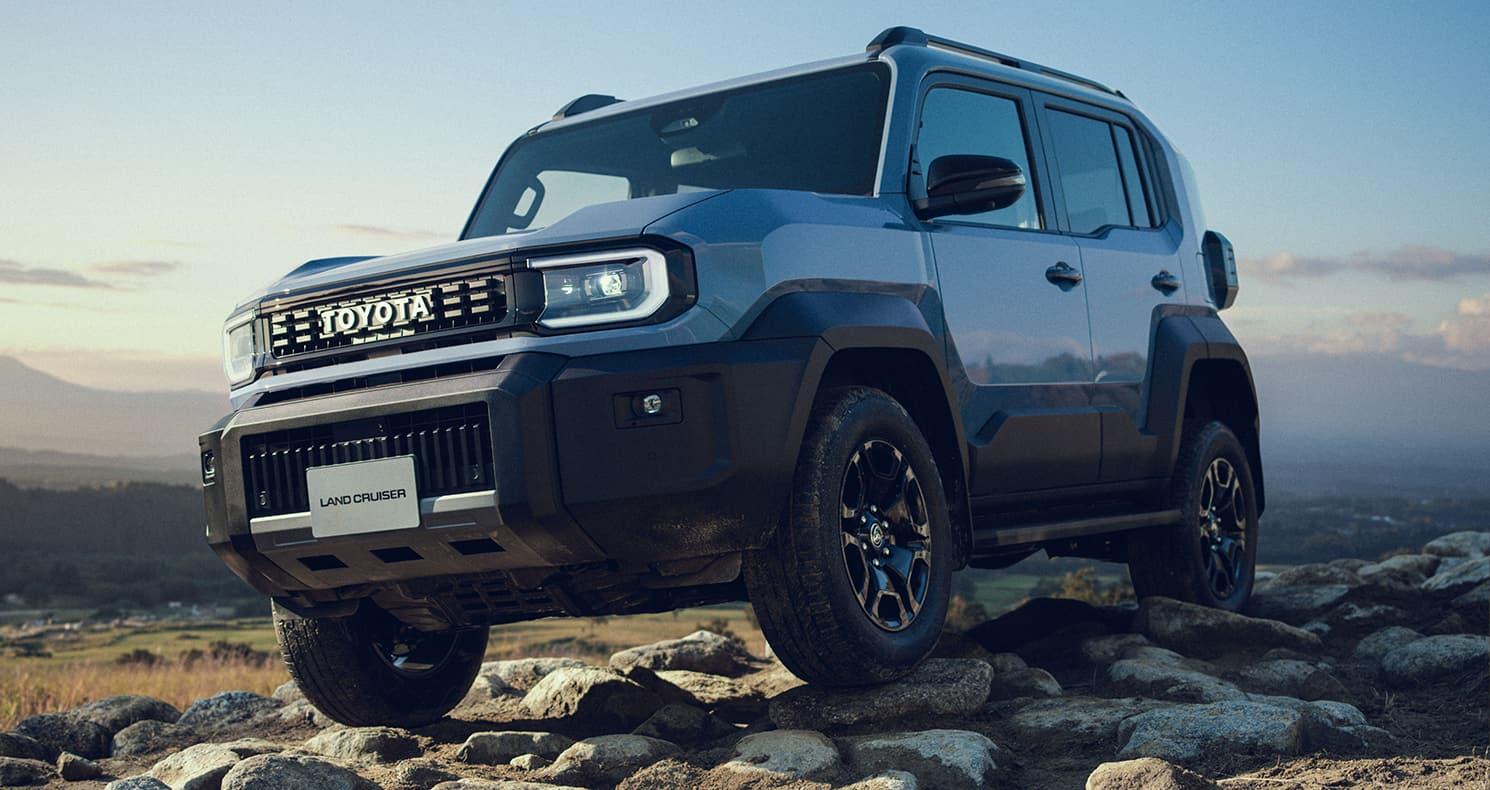
The Savvy report ranked the brands Australian EV buyers are most interested in. Toyota, BYD and Tesla took the top three spots. Toyota's presence at the top is remarkable, given the brand was not even on the list in 2021 because it had no EVs in market at the time.
BYD's rise has been even faster. The brand only launched in Australia in 2021 as a low-volume player and is now the second most desired EV brand on the list. Tesla has slipped from second in 2021 to third in 2026, in line with its broader Australian sales softening across 2025 and into 2026.
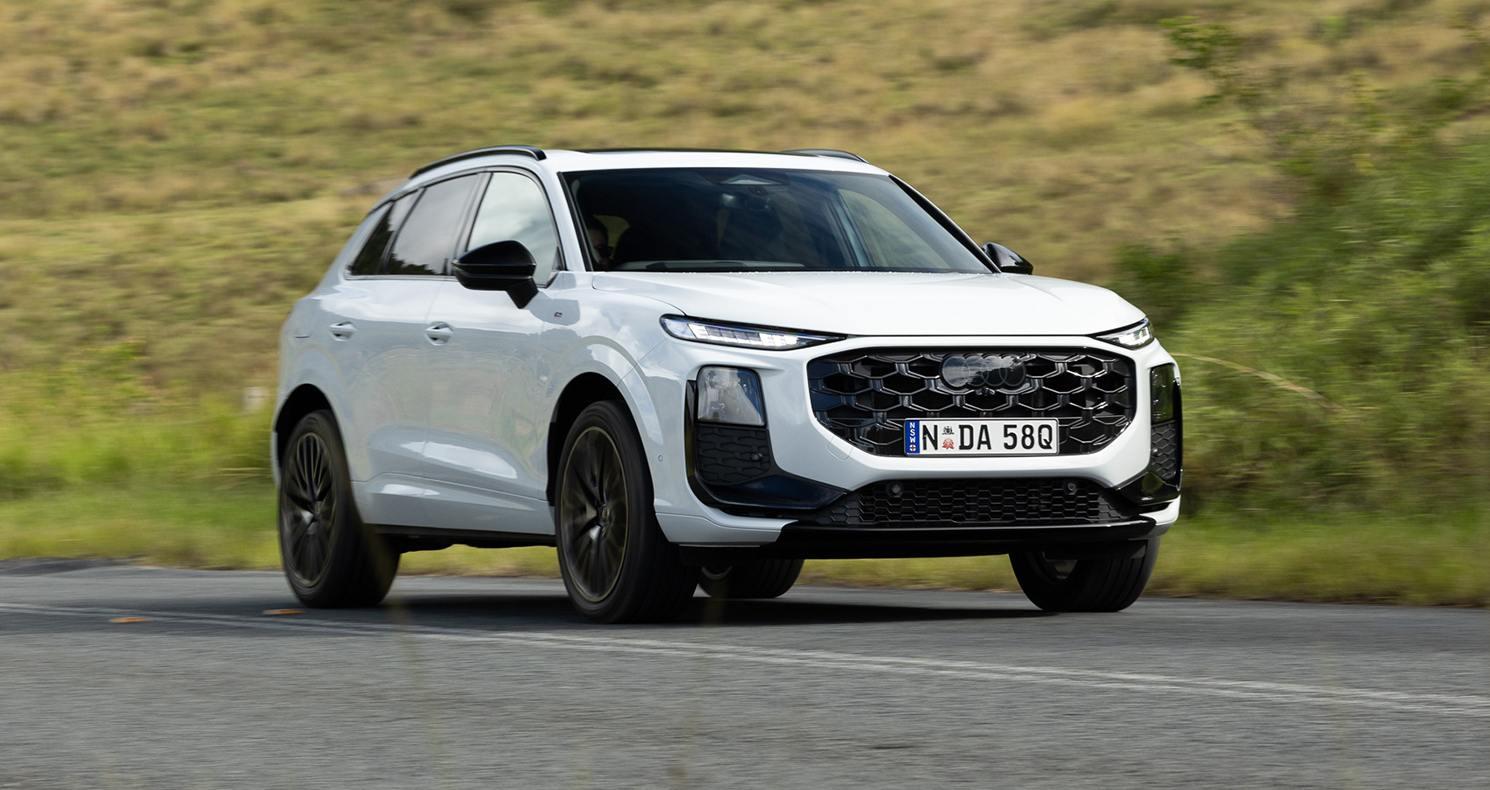
The rest of the top ten is Kia, Hyundai, Mazda, BMW, Mercedes-Benz, Audi and Chery. The presence of Chery alongside the Germans is the data point worth lingering on. Chinese brands are now in the consideration set for buyers who would have only looked at European or Japanese marques five years ago.
What this means for buyers
If you are EV-curious and have not been actively shopping, the 2026 market is materially different to what you saw two years ago. More choice, lower entry prices, longer claimed ranges, and a substantially better public charging network all change the calculus.
If you are committed to petrol or diesel, you are now in a clear majority of new car buyers. That has implications for resale value, dealer service support, and long-term parts availability that should be on your radar across the next ownership cycle.
The gap to actually understand before deciding is the home charging cost question. Get the numbers from your specific electricity retailer, model what a full battery costs against a full tank of fuel for an equivalent car, and only then make the call. Most buyers who genuinely run the numbers find the EV running cost case is substantially stronger than they assumed.
The Carseekers view
The Savvy study captures something real about the Australian EV market in 2026. Supply has moved faster than sentiment. The cars are cheaper, the ranges are longer, and the chargers are more numerous, but a large slice of the buying public is still not ready to move. That is a normal pattern for any technology transition, and the next twelve months will reveal whether the supply-led shift eventually pulls petrol-preferring buyers across, or whether the market settles into a sustained two-track structure with hybrids absorbing the middle.
For now, the most important takeaway is this. The objections that were genuinely true about EV ownership in 2021 are no longer the objections that apply to most Australians in 2026. If you have not looked seriously at an EV in eighteen months, the picture has changed enough to justify another look.
Considering finance for your next car? Loanseekers can help you explore car loan options.
The finer details
Your questions answered.
Is price still the biggest barrier to buying an EV in Australia?
It is still cited most often as the leading barrier, but the proportion of buyers naming price as their biggest concern has fallen from 76 per cent in 2021 and 2023 to 49 per cent in 2026. More than ten EVs are now priced under $40,000 drive-away in Australia, against just one (the MG ZS EV) in 2021.
How much does it cost to charge an EV at home in Australia?
A typical Australian residential tariff is 25 to 35 cents per kWh, dropping to 8 to 15 cents per kWh on an off-peak EV plan. A 60kWh full battery charge therefore costs between $5 and $20 depending on your plan, against $80 to $120 for an equivalent petrol fill on a comparable SUV.
Why are more Australians choosing petrol over EVs in 2026?
82 per cent of Savvy survey respondents in 2026 said they would prefer their next car to be petrol or diesel, up from 16 per cent in 2023. Hybrid options have multiplied, charging access remains hard for renters and apartment dwellers, and political and policy noise around EVs has pushed cautious buyers back to what they know.
Which EV brands are Australians most interested in?
Toyota, BYD and Tesla are the top three brands in the 2026 Savvy report. Kia, Hyundai, Mazda, BMW, Mercedes-Benz, Audi and Chery round out the top ten. Toyota and BYD were not on the list in 2021, and Chery's presence shows how rapidly Chinese brands have entered the consideration set.
How much driving range do Australian buyers need from an EV?
More than 90 per cent of Australian daily driving sits well under 100km, so any modern EV with 300km or more of claimed range covers daily needs comfortably. For interstate driving, 400km of real-world highway range is the practical sweet spot, and most sub-$60,000 EVs now meet or beat that figure.
What share of new car sales in Australia is electric in 2026?
The Federal Chamber of Automotive Industries reported EVs hit 16.4 per cent of new car sales in April 2026, more than double the 6.6 per cent figure from a year earlier. That market growth has continued despite a survey-reported drop in stated EV preference.