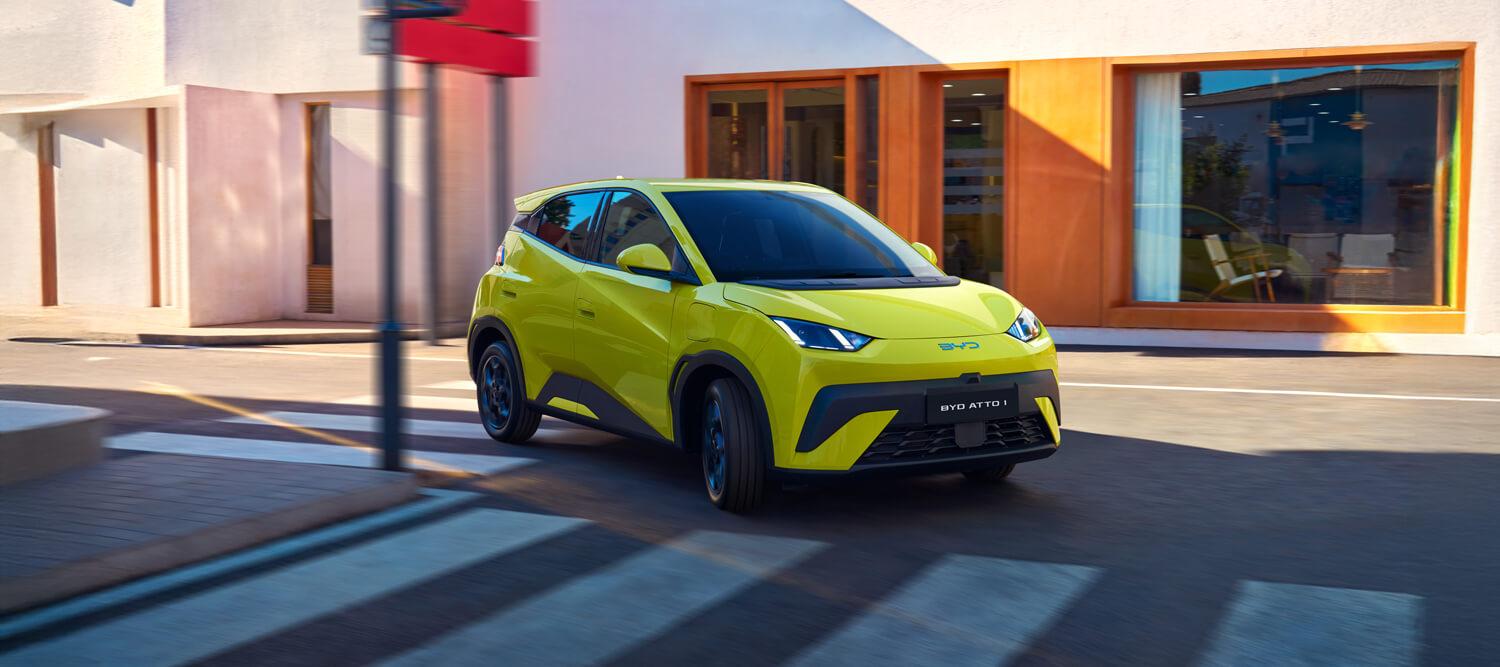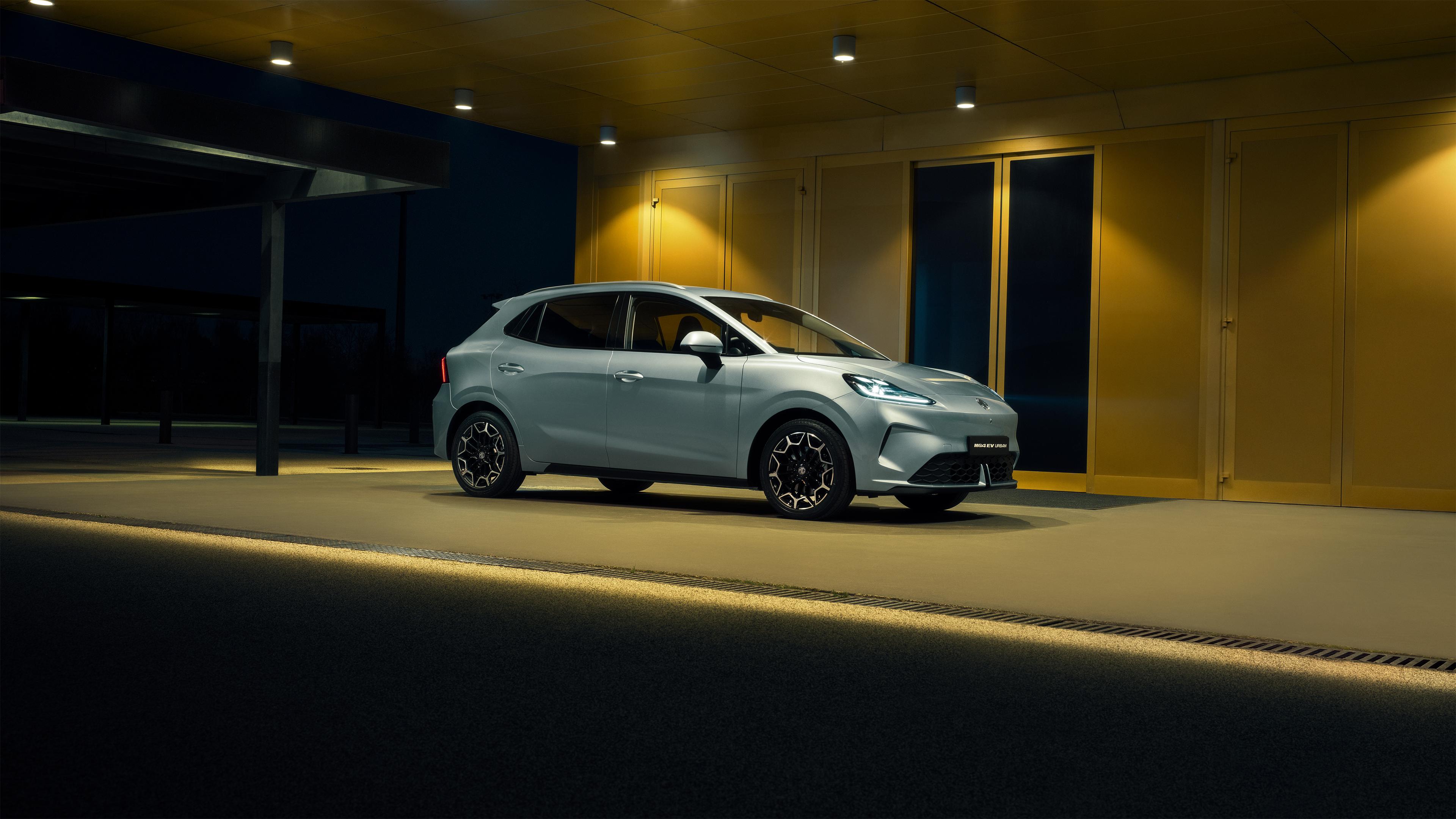

2026 is the most disruptive year for new car launches Australia has seen in a decade. New generations of the country's biggest sellers, the Toyota RAV4 and the Mazda CX-5, arrive within months of each other. The number of hybrid and electric variants on showroom floors will jump sharply. And entire premium-positioned sub-brands like Wey from GWM and Denza from BYD will start fighting for attention against established European badges.
For buyers, this is the most important question of the year: which of these cars is genuinely worth waiting for, and which are dealer marketing rather than meaningful change. We've gone through the full launch calendar and pulled out what actually matters.
Mainstream SUVs you should probably wait for
The two biggest launches sit in the segment most Australians buy from. The new-generation Toyota RAV4 lands in the first half of 2026, with the RAV4 PHEV following in the third quarter. The hybrid RAV4 has been the default mid-size family SUV in Australia for five years. The new car keeps hybrid power as standard but reworks the platform, the interior tech and the safety package. If you're shopping for a RAV4 right now and don't have a stretched timeline, the right call is usually to push out the purchase to mid-2026 and buy the new car.
The new Mazda CX-5 follows mid-2026 too, but Mazda has chosen to launch it without a hybrid option at first. Mazda's hybrid CX-5 is expected later, with the brand betting on its Skyactiv-Z fuel-efficient petrol as the bridge. For buyers cross-shopping the CX-5 and the RAV4 hybrid, that's a meaningful difference in running costs over a five-to-seven year ownership window.
Mazda also brings the CX-6e electric sedan to Australia mid-2026, plus PHEV versions of the CX-70 and CX-90, which together fill a hole in the brand's electrified range.
The Subaru Outback (including Wilderness) is renewed in the second half of 2026. Subaru is also bringing the new Trailseeker electric SUV, which effectively replaces the Outback name in Subaru's EV strategy.
Honda updates the CR-V and ZR-V in the first half of 2026, then drops the new Prelude into Australia later in the year. Hyundai brings the Elexio electric SUV, the Ioniq 6 N hot EV and the hydrogen Nexo, plus the Palisade XRT Pro.
Utes: the biggest year in a decade
Ute buyers are getting more options in 2026 than at any point in the last 10 years. The Ford Ranger PHEV gets an MY26.5 update, while the diesel and petrol Ranger and the Everest get MY26.5 updates mid-2026. BYD adds the Shark 6 cab/chassis and a 3500kg-towing Shark 6 variant to the existing Shark 6 lineup.
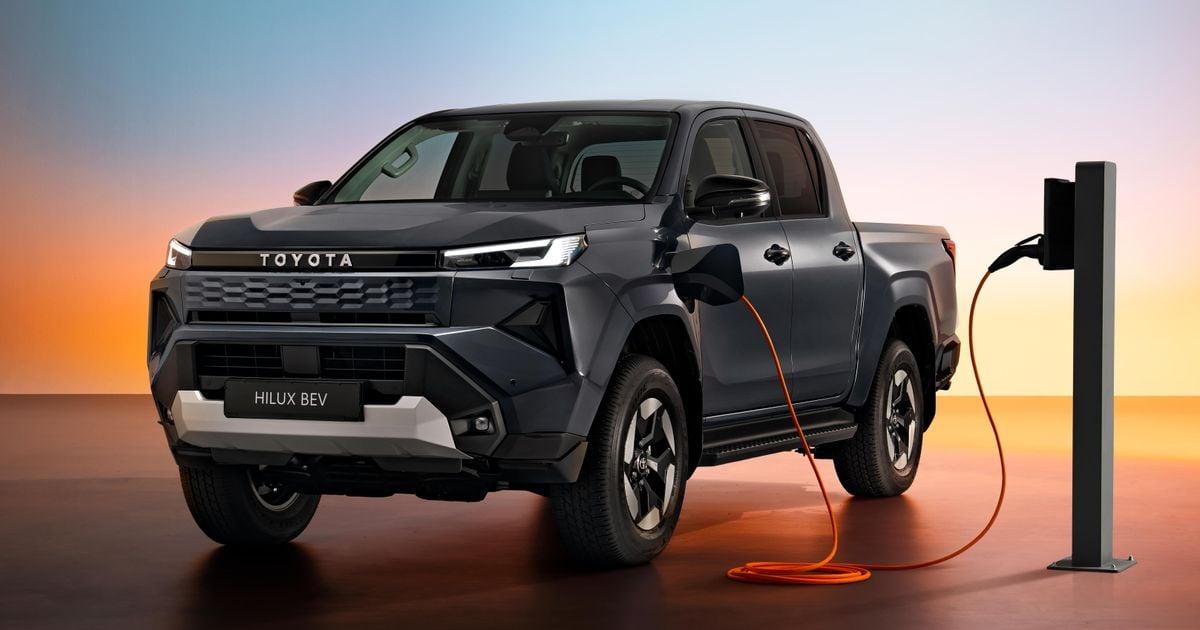
Kia adds the Tasman single cab/chassis from January 2026, which opens the Tasman up to fleet buyers who couldn't use the dual-cab body. The JAC T9 Tradepro cab/chassis arrives in March/April 2026. Toyota's HiLux BEV lands in the first quarter, which is the first time a battery-electric HiLux has been sold in Australia. Volkswagen will follow with the Amarok Walkinshaw in the second half of the year, aimed squarely at Ranger Raptor buyers.
Nissan launches the new D27 Navara early in 2026, with a Warrior variant to follow. LDV updates the T60 and adds the eTerron 9 electric ute. The takeaway: if you're shopping for a ute right now, almost every model in the segment has a meaningful update landing within 12 months. Walking into a dealer this month for an MY25 ute means accepting that you're buying yesterday's car.
The EV onslaught
The EV launch list for 2026 is dense. Kia brings the EV4 (January), EV6 facelift (Q1), EV9 GT (Q1) and the PV5 van (mid-year). BMW's iX3 arrives mid-2026 as the first Neue Klasse platform car. Audi adds the new Q3 family, a Q3 Sportback and a Q5 PHEV.
Mercedes brings the CLA in the second half, the new GLB later in the year, and the GLC with EQ Technology mid-year. Volvo launches the ES90 sedan and EX60 SUV. Smart brings the #5. Polestar adds the Polestar 5.
BYD updates the Atto 3 and brings the Sealion 5, Sealion 8 and Dolphin update. GAC enters with the S7 and Hyptec HT. Geely brings the EX2 and a Radar RD6 ute. Xpeng updates the G6 and adds the X9 and G9L.
The combined effect of all this is buying leverage. Mid-2026 will be the peak of EV competition Australia has ever seen, which means dealer pricing should soften across the cheaper end of the segment. Buyers who are flexible on brand can effectively shop dealer urgency by waiting two to three months past launch.
Performance, premium and the long tail
At the top end, Aston Martin brings the DBX S, Vantage S, DB12, Vanquish Volante, Valhalla and DB12 S. BMW lines up the new iX3 and a slate of M cars. Porsche updates the 911 Turbo S, brings Cayenne Electric and Macan GTS. Lamborghini lands the Temerario. Maserati adds the MCPura.
Genesis brings the GV60 Magma. Cupra updates the Formentor and brings the Leon Ve. Cadillac enters Australia properly with the Optiq, Vistiq and Lyriq-V. Suzuki brings the Vitara Hybrid and the eVitara EV.
Chinese newcomers are arriving thick and fast. Wey enters as GWM's premium sub-brand, taking on Denza from BYD. Leapmotor adds the B05 and the smaller A10 and T03. Omoda Jaecoo broadens to the Omoda 7 and Omoda 4. Chery adds a new ute late in the year. Deepal brings the S05.
What this means for Australian buyers
The practical takeaway: 2026 is a year to be patient if you can. Almost every mainstream segment has a significant new product coming. Pre-update stock will sit on dealer floors and discount steadily. Post-update stock will land with launch pricing that softens as competition intensifies through the second half of the year.
There are three buyer plays worth knowing:
First, the runout play. If you don't need a new car right now but can buy any time, watch for dealers discounting MY25 stock heavily through Q1 2026 ahead of the new model launches. RAV4 hybrid runout discounts in particular tend to be sharp.
Second, the launch fleet play. Newly-launched models often go to fleet first, with private retail pricing softening within three to six months as supply normalises. If you're patient enough to wait until Q3 or Q4, you'll buy the new car at a sharper price than the launch buyers paid.
Third, the cross-shop play. With this much new metal arriving, every brand has reduced ability to hold list pricing. Even buyers committed to a single segment can use a credible cross-shop letter from a rival dealer to compress the asking price.
You can compare current and incoming new car pricing in your shortlist on Carseekers before contacting dealers, which is the cleanest way to find out what the market is actually doing this year.
What to walk past
The traps to avoid: pre-launch deposits for cars without confirmed Australian pricing, dealer pressure to lock in a price before launch on the basis that prices will rise (they may, but you can't compare with the market until launch), and the temptation to buy MY25 stock at full retail when MY26 is months away.
2026 is a buyer's market. Treat it like one.
Considering finance for your next car? Loanseekers can help you explore car loan options.
The finer details
Your questions answered.
When does the new Toyota RAV4 arrive in Australia?
The new-generation Toyota RAV4 is due in Australia in the first half of 2026, with the RAV4 PHEV following in the third quarter. Toyota will keep hybrid power as standard across most of the range and add new safety and tech to the package.
Should I wait for the 2026 Mazda CX-5?
If you have flexibility, yes. The new Mazda CX-5 arrives mid-2026 with a fresh platform and a new interior, but Mazda is launching it without a hybrid initially. Buyers cross-shopping the RAV4 hybrid should weigh the running cost difference versus the new CX-5's design before signing.
What new utes are coming to Australia in 2026?
Most utes get an update or a new variant in 2026: the Ford Ranger PHEV gets an MY26.5 update, the Toyota HiLux BEV electric arrives in Q1, Kia adds a Tasman single cab/chassis, JAC adds the T9 Tradepro, BYD launches the Shark 6 cab/chassis, Nissan launches the new D27 Navara, and Volkswagen brings the Amarok Walkinshaw.
Is 2026 a good year to buy a new car in Australia?
It's a buyer's market for anyone who can be patient. Almost every mainstream segment has a major new launch landing through 2026. Buyers who can wait for new stock to settle in showrooms typically pay a sharper price than launch buyers, and runout discounts on pre-update cars through Q1 will be aggressive.
What new EVs are launching in Australia in 2026?
More than 25 new EVs are due in Australia through 2026, including the Kia EV4 and EV6 facelift, BMW iX3, BYD Sealion 5 and 8, Volvo ES90 and EX60, Smart #5, Polestar 5, Mercedes CLA, GAC S7 and Hyptec HT, Geely EX2, Xpeng G6 update, X9 and G9L, and Cadillac Optiq and Lyriq-V. Pricing is expected to soften as competition peaks mid-year.
Which Chinese car brands are arriving in Australia in 2026?
Wey enters Australia as GWM's premium sub-brand, taking on Denza from BYD. Leapmotor adds the B05, A10 and T03. Omoda Jaecoo broadens with the Omoda 7 and Omoda 4. Chery adds a new ute late in the year. Deepal brings the S05. The Chinese segment will more than double its model count in the Australian market through 2026.