Why China's Price War Is Now Your Problem Too
GAC might not be a household name in Australia yet, but it launched here recently with its Aion-branded EVs and has ambitions to crack the top 10 local brands by 2030. What happens to GAC in China is no longer a distant corporate story. It has direct implications for Australian buyers.
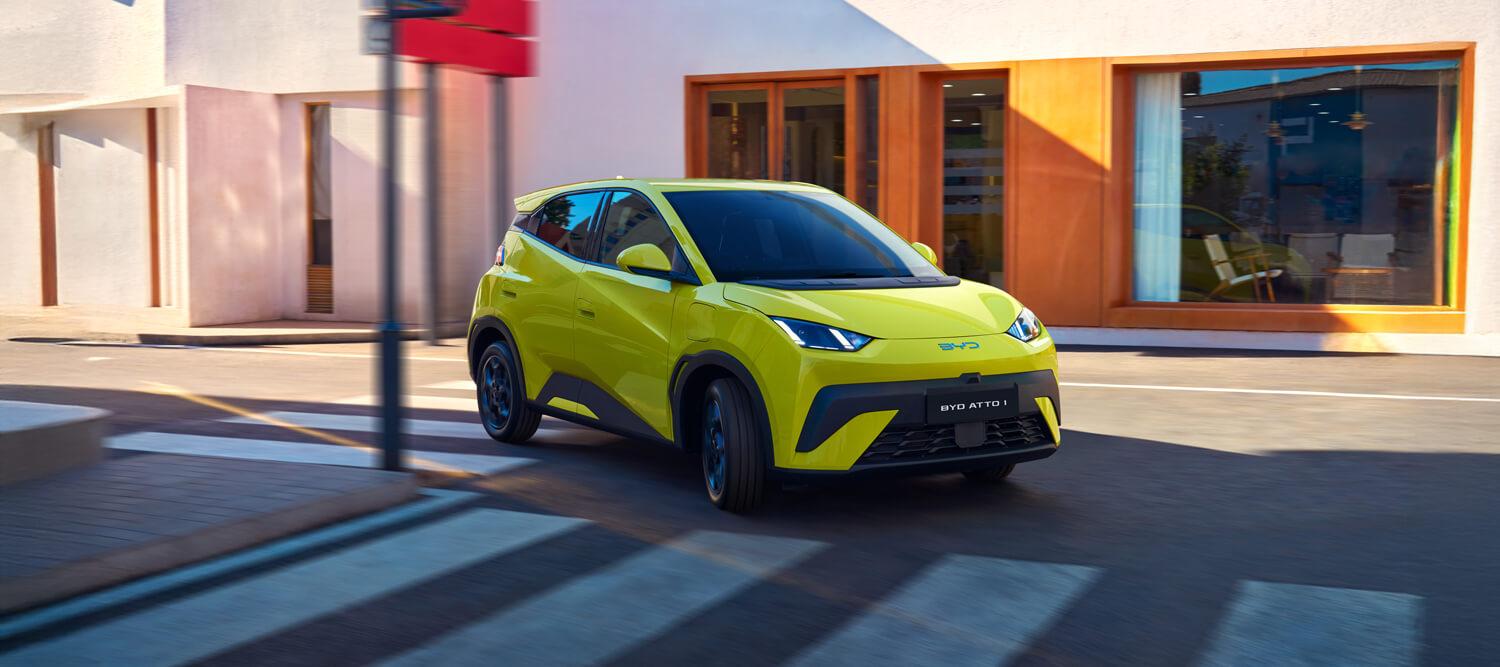
According to figures published by Nikkei Asia, GAC was at one point losing the equivalent of A$1,714 on every single vehicle it sold under its own branding in China. That's not a typo. Every car GAC sold, it lost money on, as it fought to keep pace with aggressive pricing from BYD and other Chinese competitors.
In its annual results, GAC said the losses stemmed from "intense competition in the automobile industry" and warned of the "high-speed shuffling phase of survival of the fittest". The company recorded a financial loss for the first time since listing on the Hong Kong Stock Exchange in 2010.
Honda's Chinese JV Is Due for Renewal
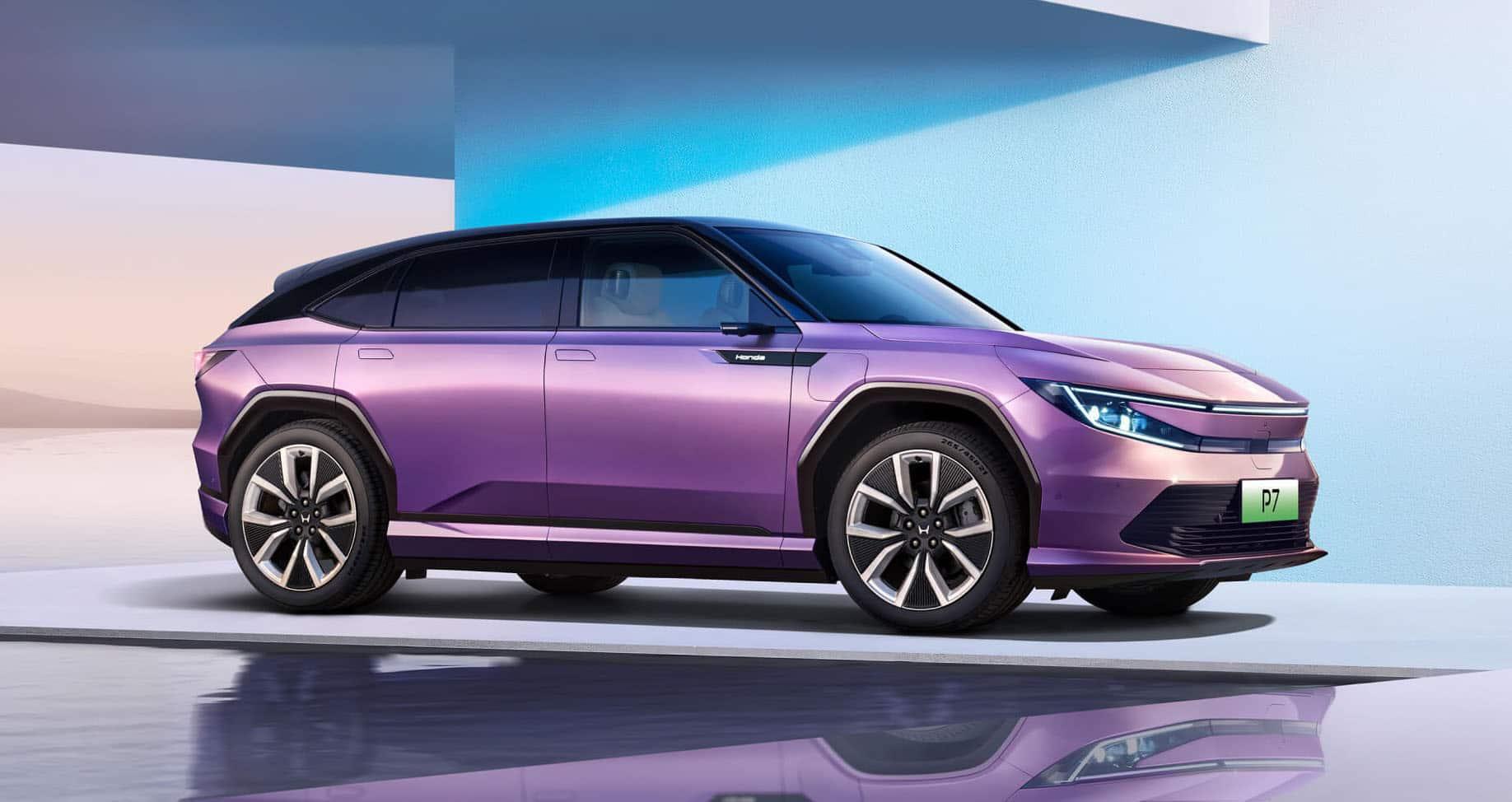
GAC's joint venture with Honda has been running for 30 years. It's due for renewal by 2028. Honda and GAC are reportedly in meetings, but no decision on the future of the partnership has been confirmed.
Honda's own financial position isn't helping the negotiations. Honda recorded its first-ever financial year loss for the 2025 Japanese financial year, driven by an A$12.5 billion write-down of EV investment programs that have since been cancelled. That's a company under serious pressure choosing where to allocate resources carefully.
For Honda, the question is whether the GAC JV is worth renewing in a Chinese market where joint-venture brands are being squeezed by domestic competitors who control roughly 70 per cent of local sales.
What GAC Sells in Australia and What's at Stake
GAC currently sells two Aion-branded models in Australia: the Aion UT hatch and the Aion V mid-size SUV. These are competitively priced Chinese EVs that have found early traction with buyers who prioritise value over brand prestige.
If GAC's financial position deteriorates significantly, the risk for existing owners is reduced parts supply and service capacity. It's not an immediate concern, but it's the kind of scenario worth thinking about before committing to a brand with thin financial margins.
GAC's CEO has publicly flagged risks including "increasing survival pressure on automobile enterprises" in China. That's a sobering disclosure for a publicly listed company.
For the full picture on what GAC is trying to do in Australia, our earlier analysis on GAC's ambitions for the local market is worth reading before you make a decision.
Why Chinese Market Trouble Is Flooding Australia With Choice
Here's the counterintuitive twist. GAC's pain in China is partly good news for Australian buyers, and not just buyers of GAC products.
When a brand struggles in its home market, it looks for higher-margin markets to make up the revenue. Australia buys relatively few cars compared to China or Europe, but it pays relatively high prices. For a Chinese automaker needing to improve unit economics, Australia is an attractive destination.
This dynamic explains much of the recent flood of Chinese brands into the Australian market. GAC, Geely, Deepal, Zeekr, XPeng, Omoda Jaecoo, Leapmotor and others have all entered or expanded here in the past 24 months. More are coming.
The resulting competition means Australian buyers are getting more choice and more competitive pricing than they've ever had. The Chinese car price war that's been shaking up the market has direct benefits for anyone shopping in the $30,000 to $70,000 range.
The Honda-GAC JV Diverges From Nissan's Strategy
It's worth contrasting the GAC-Honda situation with what Nissan is doing. Where Honda's GAC JV faces an uncertain renewal, Nissan is leaning harder into its own Chinese JV with Dongfeng.
The Dongfeng-Nissan partnership has produced several well-received models with genuine global potential: the N7 sedan, NX8 SUV and the Frontier Pro PHEV ute, which is expected in Australia. Nissan is betting that the right Chinese JV partner, with the right products, is a path to competitiveness rather than a liability.
GAC's JV with Toyota has also been more successful than its Honda equivalent, including exporting to right-hand drive markets like Hong Kong.
The diverging outcomes show that Chinese joint ventures are not inherently problematic for Japanese brands. What matters is which side of the JV is driving product development, and how quickly they can adapt to the BYD-dominated landscape.
What Australian Buyers Should Do With This Information
If you're buying a GAC Aion today, be aware of the context. The brand is financially stretched in its home market. That's not a reason to avoid it, but it is a reason to check warranty terms carefully and confirm that your state has accessible Aion service centres before signing.
If you're watching the broader market, the GAC-Honda situation is a useful reminder that brand stability varies considerably among the wave of new Chinese entrants. Some are well-capitalised and growing. Others are running on thin margins and competing on price alone.
The shakeout will favour brands with deep manufacturing scale, strong battery supply chains, and expanding global distribution. BYD fits that description. Whether GAC will emerge as one of the survivors is a story that will play out over the next two to three years.
For now, Australian buyers benefit from the competition these brands create, even if some of them don't survive in the long run. Carseekers helps buyers compare pricing across all major brands so you can make a decision based on value, not just marketing.
Considering finance for your next car? Loanseekers can help you explore car loan options.
The finer details
Your questions answered.
Is GAC Aion safe to buy in Australia given the financial troubles?
GAC is under financial pressure in China but is still operating and expanding internationally, including in Australia. The immediate risk to buyers is not brand collapse but rather reduced service capacity or parts supply if the brand contracts. Before buying, confirm that Aion service centres are accessible in your state and review warranty terms carefully. GAC has a local distributor with an interest in maintaining customer relationships.
What is the GAC Honda joint venture and why does it matter?
GAC and Honda have operated a joint venture in China for 30 years, producing Honda-branded vehicles for the Chinese market. The JV is due for renewal by 2028. Honda has reportedly been in discussions with GAC about the future of the partnership, but no decision has been announced. Honda's own financial pressures following a A$12.5 billion EV write-down add complexity to the renewal.
How is BYD's price war affecting Australian car buyers?
BYD's aggressive pricing in China is squeezing margins across the industry, including for brands now selling in Australia. The flow-on effect for Australians is more brand competition as Chinese automakers seek higher-margin export markets, resulting in more model choices and more competitive pricing at most budget levels.
Are Chinese car brands reliable to buy in Australia?
Chinese brands vary significantly in financial stability and parts support. Brands with large global scale, like BYD and Geely, carry lower long-term support risk than smaller or loss-making entrants. Before buying any newer Chinese brand, check that local service infrastructure exists, confirm warranty coverage and exclusions, and research parts supply chain depth.
Which Chinese car brands are doing well financially in Australia?
BYD is the standout performer, recording 155 per cent year-on-year growth in Australia and finishing second overall in May 2026 VFACTS data. Geely and Omoda Jaecoo are also growing strongly. GAC is newer to the Australian market and faces more uncertainty at a corporate level given losses in China.
Will Chinese car brands keep coming to Australia?
Yes. The financial pressure on Chinese brands in their home market is pushing them toward higher-margin export markets like Australia. Expect continued new brand arrivals and expanded model ranges from existing Chinese brands through 2026 and 2027. For buyers, this means more choice and sustained competitive pricing pressure on both Chinese and established Japanese and Korean brands.