
Honda Makes Good Cars. So Why Is Nobody Buying Them?
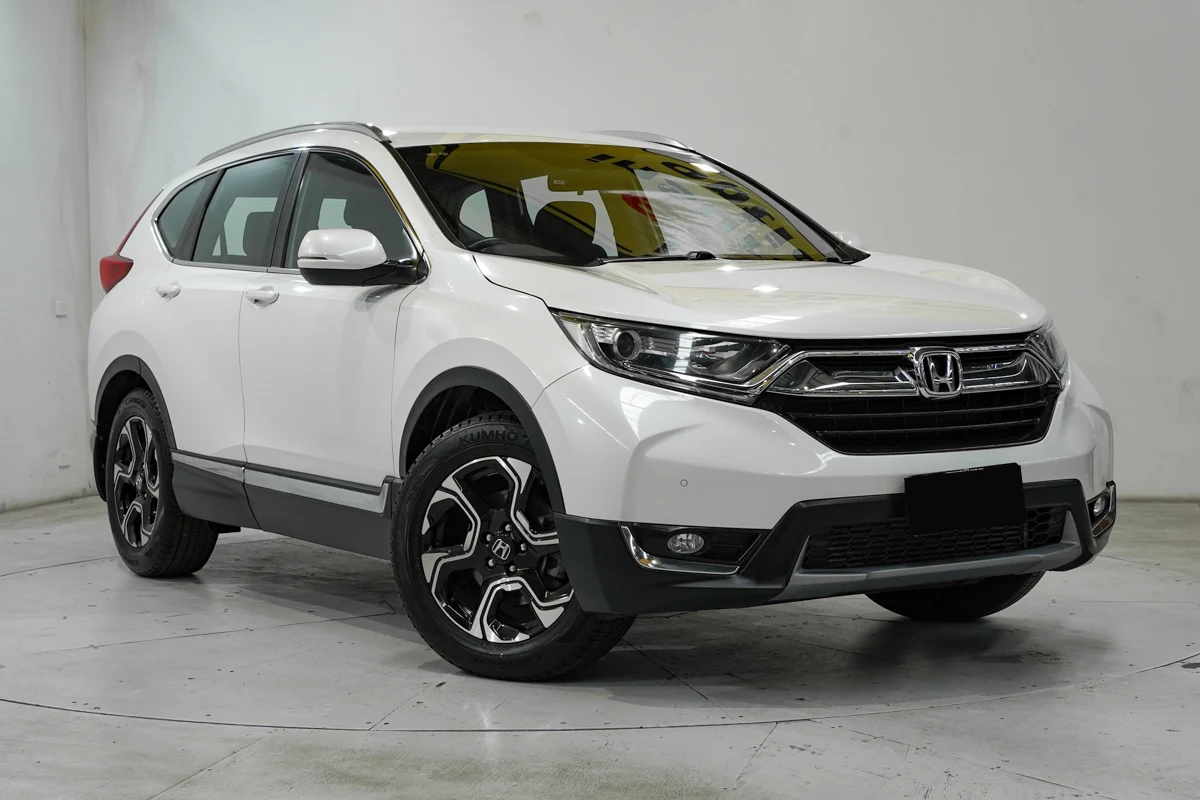
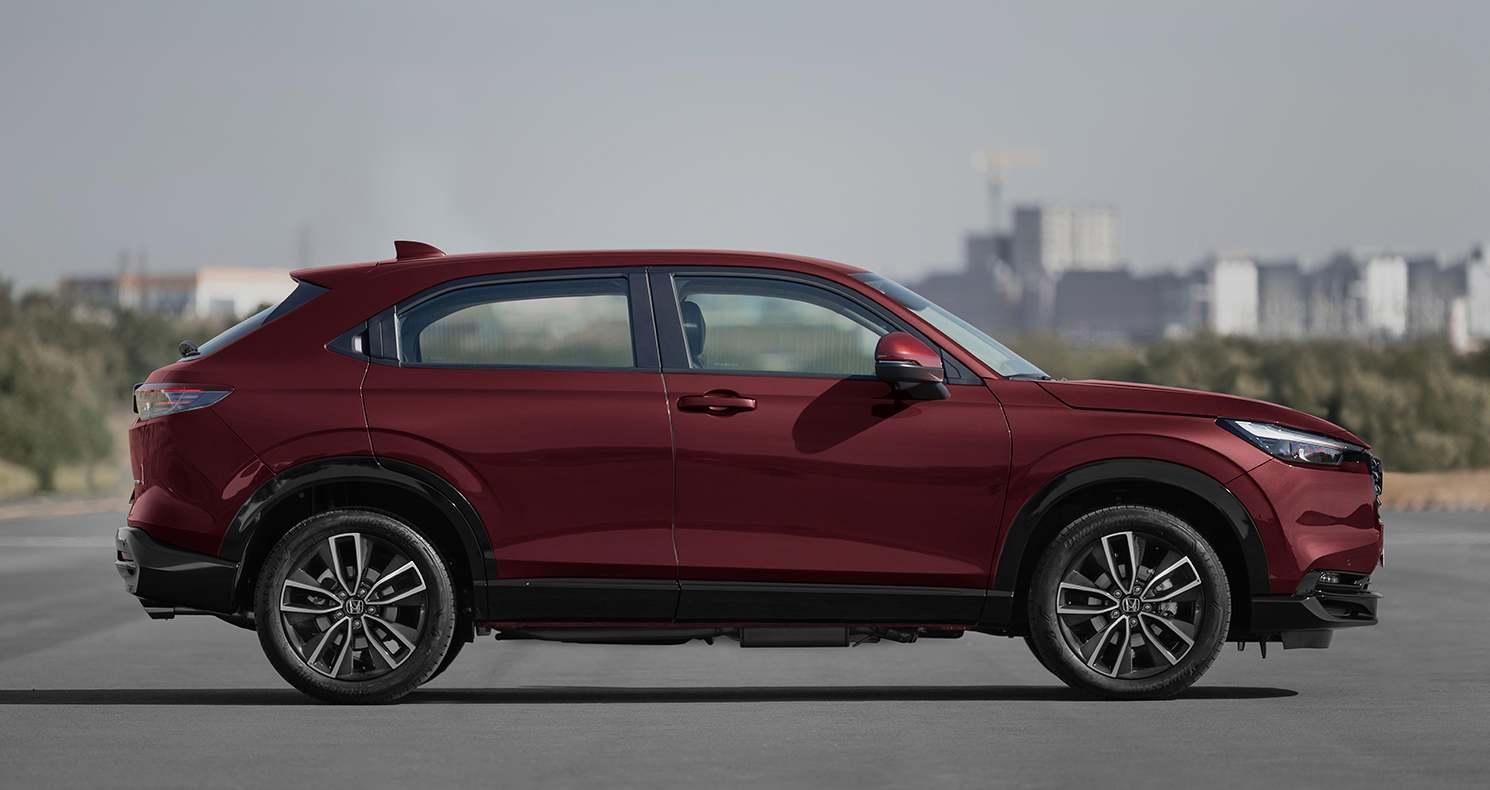
The 2026 Honda lineup is genuinely strong. The CR-V hybrid delivers real-world efficiency that rivals the Toyota RAV4 hybrid. The HR-V is a polished small SUV priced from $39,900 drive-away. The Civic eHEV is a refined, comfortable sedan with hybrid frugality. And the Prelude is the most interesting new sports coupe launched in Australia in years.
Yet Honda sold approximately 15,000 vehicles in Australia last year. Volkswagen and Subaru each shifted around 40,000. Mazda sold roughly 90,000. Toyota sold 240,000.
Honda Australia's own leadership admits the cars deserve better. "We agree with you that, when we look at our current line-up, they all deserve more than what they're currently generating," Honda Australia President and CEO Jay Joseph told journalists.
So what's holding the brand back? Here are the four things Honda needs to fix.
Fix One: Stop Letting the Agency Pricing Model Become a Story
Honda moved to a no-haggle, fixed drive-away pricing structure in mid-2021. The idea was transparency. Buyers pay one price, everywhere, every time. No awkward negotiation, no finding out your neighbour paid less.
The problem is perception. Many Australian buyers interpret "no haggle" as "no discount", which in their minds reads as "overpriced". That's not necessarily accurate, but perceptions drive decisions as surely as specifications do.
Honda Australia Director Rob Thorp is clear that the brand is committed to the model. "The simplicity and the transparency for the customer has been paramount," he said. "It doesn't work for everybody, but for us, that premise is just core to how we want to go to market."
Jay Joseph frames it differently. He thinks Honda needs to do a better job explaining the advantages, not abandon the approach. "Once we do a better job explaining that, I think we're protecting them better than anything else," he said.
He has a point. A buyer who understands that every Honda buyer pays the same price at every dealer can make a confident decision. The issue is Honda isn't communicating that well enough. Buyers are walking into competitors' showrooms where a skilled salesperson is happy to play the discount game, and they're walking out feeling like they got a deal even when they didn't.
Honda's agency pricing is not going away. The brand needs to own it more aggressively and make it a feature, not a footnote.
Fix Two: The Marketing Is Not Good Enough
Honda's own CEO said it plainly. "We agree that our marketing has not been good enough to achieve the sales we want."
That's a refreshingly honest admission. It also points to a real gap. Despite a lineup that includes the Civic Type R (one of the best driver's cars at its price point anywhere in the world), the Prelude (a car that generated genuine excitement when announced), and the CR-V hybrid (a genuine challenger to the RAV4), Honda has low visibility in Australia's mainstream buyer consciousness.
Toyota spends relentlessly on brand advertising. So does Mazda, Hyundai and Kia. Honda has been relatively quiet, relying on the cars to sell themselves. In a market with more options than ever before, that strategy doesn't work.
Joseph says the brand is rebuilding its marketing and sales infrastructure. He points to 10 per cent year-on-year growth in 2025 and similar targets for 2026 as evidence of traction. That's real progress, but growing 10 per cent from a small base still leaves Honda far behind where it should be.
Fix Three: The Dealer Network Needs to Grow
Honda cut its Australian dealer network from over 105 sites to 75 sales locations after transitioning to the agency model. The intent was to create a leaner, higher-quality retail experience. The consequence is that Honda has fewer physical touchpoints than its major competitors.
Joseph acknowledges this. "Brand presence is certainly a factor of our lower sales," he said.
His view is that buyers start shopping online, not in showrooms. And there's truth in that. Most new car buyers research extensively before walking into any dealership. But physical presence still matters for test drives, for service confidence, and for impulse discovery. A buyer who doesn't think of Honda because they never drive past a Honda dealer is a lost opportunity.
Honda says it's evaluating whether to grow its network as volume increases. The challenge is that network growth and volume growth are circular. You need sales to justify dealers, but you need dealers to generate sales. Breaking that cycle requires investment ahead of the curve, not behind it.
Fix Four: The Entry Point Is Too High
When Honda dropped the Jazz from its Australian lineup, it removed its most affordable model, which was available for around $20,000. Overnight, the cheapest Honda became a previous-generation Civic in runout at $31,000, jumping to $45,000 when the next-generation Civic arrived.
That's a significant gap. Buyers who wanted a Honda at Honda prices found the floor had moved sharply upward. Many of them went to Mazda, Toyota or Kia instead, and formed brand loyalties that are now difficult to break.
Honda's current cheapest offering is the HR-V from $39,900 drive-away. That's a strong car at a fair price, but it's still $15,000 to $20,000 above where the brand's entry point once sat. Buyers shopping under $35,000 have no Honda option at all.
With Chinese brands now offering capable small cars below $30,000, the absence of a budget Honda is increasingly costly. A sub-$30,000 Honda, whether a rebadged Chinese product or a genuinely new model, would open the top of the sales funnel back up.
The Bottom Line for Buyers
If you're shopping for a Honda today, the cars are worth considering seriously. The HR-V hybrid is strong value at $39,900. The CR-V eHEV is a mature, refined family SUV that competes directly with the Toyota RAV4. The Civic is underrated and the Prelude is genuinely exciting.
What you won't find is a discount. The fixed pricing model means what you see is what you pay, and that's the same everywhere. If you want to understand what Honda's approach means for your negotiating position, read our breakdown on how Honda's dealer model is changing the buying game.
Honda is growing at 10 per cent per year. That's respectable. But the cars are capable of generating far more interest than they currently do, and the four issues above are the main things standing between Honda and a much larger share of the Australian market.
Carseekers provides genuine pricing comparisons across Honda and every other major brand so Australian buyers can see exactly how the numbers stack up.
Considering finance for your next car? Loanseekers can help you explore car loan options.
The finer details
Your questions answered.
Why are Honda CR-V and HR-V sales low in Australia despite good reviews?
Honda's own leadership points to three main factors: a fixed no-haggle pricing model that some buyers perceive as inflexible, insufficient marketing investment, and a reduced dealer network of 75 sites compared to over 105 previously. The cars themselves are competitive, but brand visibility and buyer perception are holding sales back.
Can I negotiate on the price of a Honda CR-V or HR-V in Australia?
No. Honda Australia uses a fixed drive-away pricing model introduced in mid-2021, meaning every buyer pays the same price at every dealer. There are no haggling opportunities. Honda's argument is that this protects buyers from overpaying, but it also removes the discount expectation that many Australian buyers have when entering a showroom.
What is the cheapest Honda you can buy in Australia in 2026?
The Honda HR-V hybrid starts from $39,900 drive-away, making it Honda's most affordable new car in Australia. Honda no longer sells a Jazz or an entry-level small car, leaving a significant gap below $40,000 that competitors including BYD, MG and Chery are actively filling.
How does the Honda CR-V compare to the Toyota RAV4 in Australia?
The Honda CR-V eHEV and Toyota RAV4 hybrid are the two benchmark mid-size hybrid SUVs in Australia. The CR-V is more refined on the road and arguably better-equipped, while the RAV4 benefits from Toyota's larger dealer network and stronger brand trust. Resale values for the RAV4 remain stronger, but the CR-V is genuinely competitive on day-one value and efficiency.
Is Honda growing in Australia?
Yes. Honda Australia achieved 10 per cent year-on-year growth in 2025 and is targeting similar growth in 2026. From a low base, this represents genuine progress. However, the brand still sells around 15,000 vehicles annually compared to competitors like Mazda (90,000) and Toyota (240,000), indicating significant headroom remains.
What new Honda models are coming to Australia?
The Honda Prelude eHEV has recently launched at around $65,000 drive-away and is the brand's headline new arrival. Honda Australia's CEO has signalled more product launches are coming and that the brand's marketing efforts are being rebuilt to support them. A sub-$40,000 entry model would be the most impactful addition, but none has been confirmed yet.