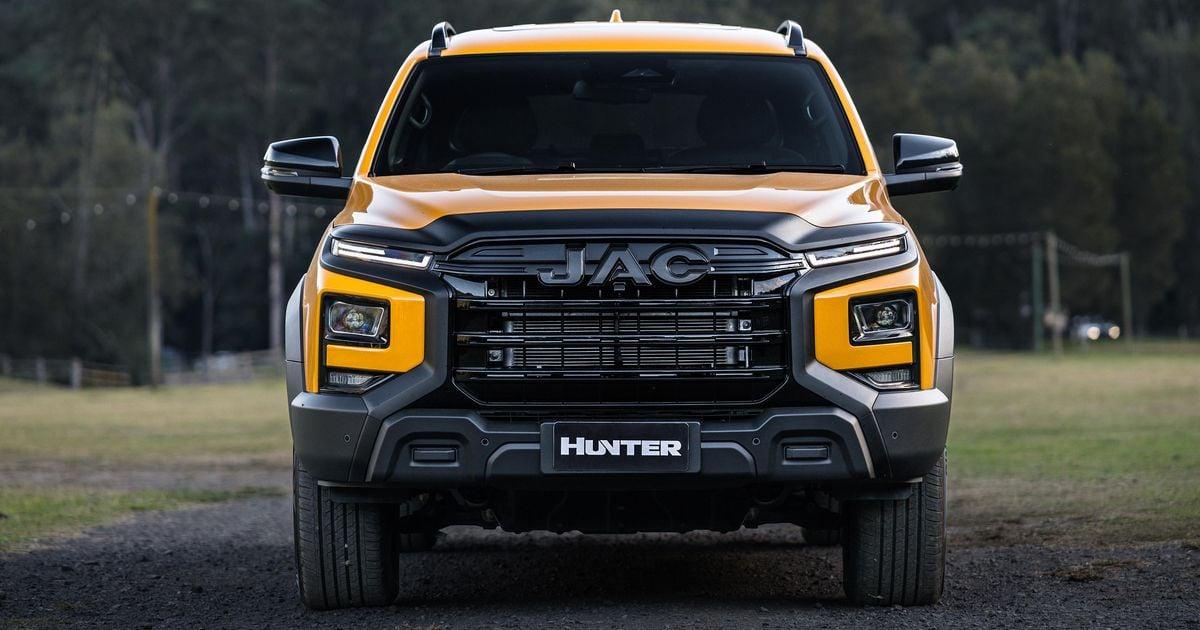
The plug-in hybrid ute segment just got its most disruptive entry yet. The JAC Hunter PHEV has opened order books in Australia at a price that changes the value equation across the entire segment.
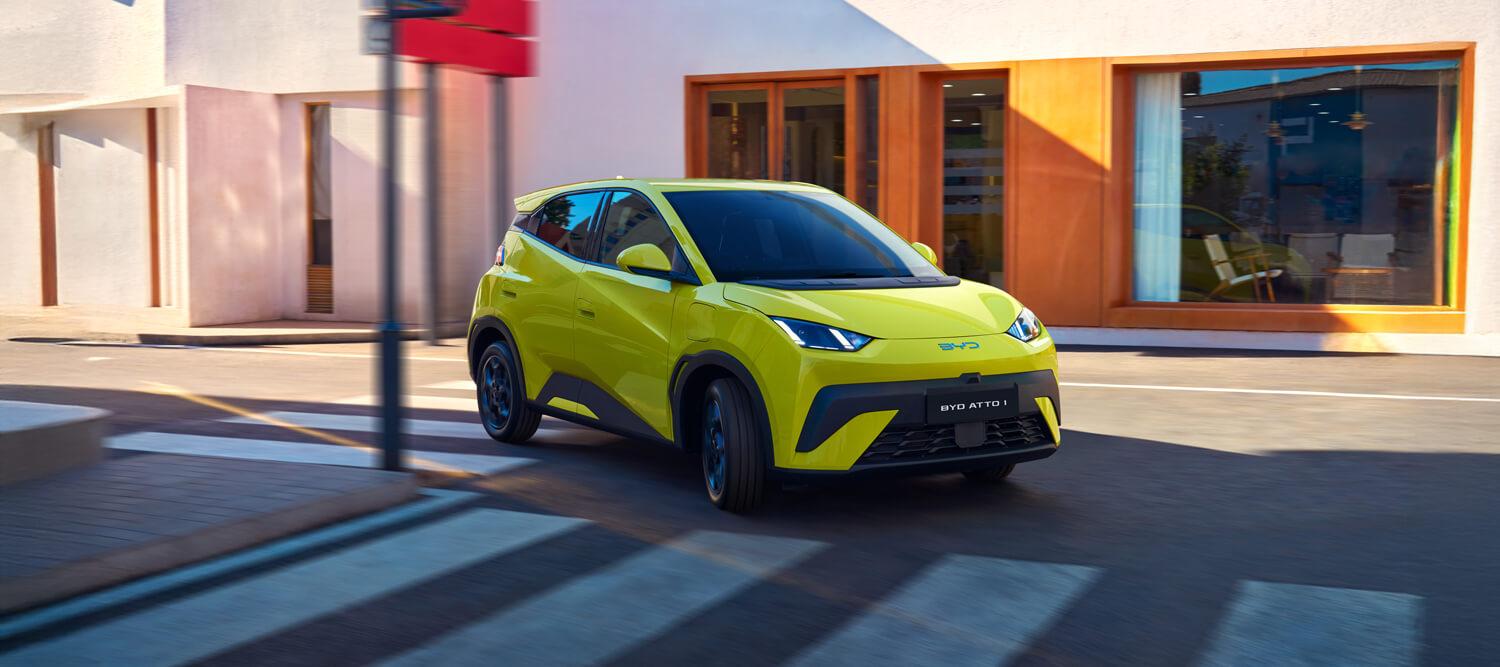
At under $50,000 before on-road costs, the Hunter undercuts the BYD Shark 6 by more than $7,000 at comparable specification. At Carseekers, we think this is the kind of launch that should be sitting in the back of every Shark 6 buyer's mind right now.
The Price That Changes the Segment
The BYD Shark 6 Premium launched in February 2025 at $57,900 before on-roads. Additional variants arrived since: the Dynamic cab/chassis at $55,900 and the Performance flagship at $62,900, both before on-road costs. The GWM Cannon Alpha PHEV starts at $61,490 drive-away for the entry Lux. The Ford Ranger PHEV, despite recent cuts of around $10,000, starts at $62,000 drive-away.
The Hunter enters at under $50,000. If the final confirmed price lands at $49,900 before on-roads, buyers are looking at a drive-away gap of roughly $8,000 to $10,000 versus the cheapest Shark 6.
The Performance Numbers Are Serious
The Hunter PHEV is not cheap because it is underpowered. It produces 360kW of combined system output, which is 10kW more than the new BYD Shark 6 Performance flagship. The Cannon Alpha PHEV makes up to 300kW. The Ranger PHEV produces 207kW.
Torque figures have not been confirmed for Australia, but international versions produce up to 1000Nm. The Cannon Alpha is the closest at 750Nm. The Hunter's power and torque advantage over every existing PHEV ute is significant on paper.
The 31.2kWh lithium iron phosphate battery delivers a claimed electric-only range exceeding 100km. That matches the Shark 6's 100km claim and is almost double the Ranger PHEV's 49km WLTP figure. Combined fuel consumption of 1.6L/100km is claimed, marginally better than the Cannon Alpha despite the Hunter's larger body.
Towing: JAC Claims the Benchmark Figure
JAC says the Hunter delivers 3500kg of braked towing capacity. That matches the Ford Ranger diesel's segment-leading figure and exceeds the 3000kg of the BYD Shark 6. Payload is rated at 915kg. Both front and rear differential locks are confirmed standard.
For buyers who tow caravans, horse floats, or boats at maximum rated weight, the Hunter is claiming it has the hardware to compete with the diesel segment leaders, not just the other PHEVs. Confirm the tow rating against your specific trailer weight when Australian specifications are finalised, as ratings can vary between variants.
The Hunter's Relationship to the JAC T9
The Hunter PHEV will be the second JAC model in Australian showrooms, joining the diesel-powered JAC T9 dual-cab ute that is already on sale. JAC has undergone local powertrain validation and chassis testing for the Hunter, giving it more preparation than many recent Chinese-brand launches.
JAC Australia managing director Ahmed Mahmoud positioned the Hunter clearly: "Our focus was simple — deliver a truly work-ready ute with class-leading power, serious towing capability and outstanding efficiency, without the premium price tag."
Who Orders First Gets a Free Charger
The first 1000 customers to reserve a Hunter PHEV receive either a home charger or a $500 JAC genuine accessories voucher. That is real money — a compatible home wallbox charger typically costs $1,200 to $2,000 installed. Order books opened at 5:00pm AEST on May 5, 2026.
How Long Does It Hold the Cheapest Title?
Not long. The Chery KP31 is expected in Australian showrooms later in 2026 as the first diesel PHEV ute here, with a petrol PHEV version following in 2027. The Hunter's price leadership window is measured in months rather than years, but that does not diminish its significance as a launch product.
The Buyer Calculation Against BYD Shark 6
The Shark 6 has a head start: it has been in Australian showrooms since early 2025, has accumulated real-world owner data, and has a growing dealer network with the cab/chassis variant expanding its commercial appeal. For buyers who want certainty today, the Shark 6 is a known quantity.
The Hunter has a lower price, more power, comparable electric range, and a higher claimed tow rating. Its Australian track record is essentially zero for PHEV drivetrains, with only the T9 diesel having been sold locally to date.
For buyers willing to be early adopters and primarily motivated by price and specifications, the Hunter is the most compelling value argument the PHEV ute segment has seen. For buyers who value proven ownership experience over lowest entry price, the Shark 6 remains the safer choice for the next 12 months.
Considering finance for your next car? Loanseekers can help you explore car loan options.
The finer details
Your questions answered.
How much does the JAC Hunter PHEV cost in Australia?
The JAC Hunter PHEV is priced from under $50,000 before on-road costs. Full variant pricing and specifications were not confirmed at the time order books opened on May 5, 2026. This makes it the cheapest new plug-in hybrid ute in Australia, undercutting the BYD Shark 6's entry price of $57,900 before on-roads by more than $7,000.
How does the JAC Hunter PHEV compare to the BYD Shark 6?
The Hunter undercuts the Shark 6 on price by $7,000 or more and produces more power at 360kW versus the Shark 6 Performance's 350kW. Both claim 100km of electric-only range. The Shark 6 has a longer established Australian track record. The Hunter's claimed 3500kg tow rating exceeds the Shark 6's 3000kg rating by 500kg.
What is the towing capacity of the JAC Hunter PHEV?
JAC claims 3500kg of braked towing for the Hunter PHEV, matching the Ford Ranger diesel's figure and exceeding the BYD Shark 6's 3000kg rating. Confirm this figure against the specific Australian variant when full specifications are released, as ratings can vary between grades.
When are JAC Hunter PHEV deliveries starting in Australia?
JAC has confirmed the Hunter PHEV will be delivered in Q3 2026 — July to September. Order books opened on May 5, 2026. The first 1000 customers to reserve receive a free home charger or $500 accessories voucher.
Should I buy a JAC Hunter PHEV or BYD Shark 6?
The Hunter offers a lower entry price and more power. The Shark 6 has an established Australian owner community, dealer network, and real-world reliability data. If price is your primary motivator and you are comfortable being an early adopter, the Hunter is compelling. If ownership certainty matters more, the Shark 6 is the safer choice for now.
Is the JAC T9 the same brand as the JAC Hunter?
Yes. Both the JAC T9 diesel and JAC Hunter PHEV are sold under the JAC Motors brand in Australia. The T9 is a conventional diesel dual-cab already in showrooms. The Hunter will be JAC's second model, adding a PHEV drivetrain option for buyers who want plug-in hybrid running costs in a work-ready ute format.