
China's automotive industry is now the world's largest and most technologically advanced in terms of electrification. But it was not always this way, and how it got here is directly relevant to what is about to happen next.
In the late 1980s, China's government made a calculated decision to allow foreign automakers into the domestic market, but only through joint ventures with local brands. International companies could tap into one of the world's fastest-growing consumer markets, but they had to share their engineering knowledge with a local partner and accept a maximum 50 per cent ownership stake.
GM, Mercedes-Benz, Hyundai, Nissan, Volkswagen, and Toyota all accepted the terms. By 2009, China had become the world's single largest vehicle manufacturer. And somewhere along the way, the Chinese brands stopped needing their foreign partners.
The Transfer of Knowledge Is Now Reversing
Hindsight makes it easy to see what happened. The legacy brands taught their Chinese partners how to build cars. Those partners then built the infrastructure, the supply chains, the engineering talent, and the manufacturing efficiency to do it cheaper and in some segments better than the companies that taught them.
Now the wheel has turned. Legacy brands are learning from China.
Nissan has been in serious financial difficulty, posting losses and closing factories globally. Its bet on Dongfeng, its primary Chinese joint venture partner, is now a critical plank of the company's recovery plan. The Chairman of Nissan's China management committee was direct about the strategy: "My return to the Chinese market is to do my best to get Nissan's business back on track, and bring China's excellent products and technologies to the world."
Nissan's new global CEO, Ivan Espinosa, went further: "China will play a very important role in Nissan Global's future."
Mazda's Chinese Pivot
Mazda recently delayed its first in-house EV until 2029, having decided its own electrification timeline was not commercially viable. In the interim, the brand has partnered with Chinese manufacturer Changan Automobiles on two vehicles that will launch in Australia this year.
The Mazda 6e sedan and the CX-6e SUV are both developed and manufactured in China with Mazda badging. For Mazda buyers in Australia, these cars represent genuine value at prices the brand could not have achieved building them in Japan.
The arrangement is straightforward: Mazda gets access to Changan's cost structure and electrification know-how, and Changan gets the Mazda badge and its established dealer networks in markets like Australia.
Hyundai and Kia Are Already Doing It
The Ioniq 5 sits in a different category, but the Hyundai Elexio electric SUV expected for Australia is manufactured by Beijing Hyundai, the brand's Chinese joint venture with BAIC. The Kia EV5, confirmed for Australia, is manufactured through a partnership with the Jiangsu Yueda Group.
Honda has taken an even more striking step, importing electric vehicles manufactured by Dongfeng Motor in China back into Japan. That reversal of the traditional export model would have been unthinkable a decade ago.
What This Means for Australian Buyers Right Now
For buyers choosing a car in Australia in 2026, this trend has direct implications.
First, the products that reach Australian showrooms from legacy brands will increasingly be built in China. That is not necessarily a quality concern. The same BYD, Chery, and MG factories producing Chinese brand vehicles also produce components and sometimes complete vehicles for European and Japanese brands.
Second, prices will shift. Cars built to Chinese cost structures are cheaper to produce, and competitive pressure will push some of that saving through to buyers. The Mazda CX-6e at its expected Australian price point would not have been possible from a Japanese-built platform.
Third, features and technology will improve faster. Chinese manufacturing timelines for new models are significantly shorter than in Japan, South Korea, or Europe. Legacy brands accessing that speed will be able to update their products more frequently.
The Risks and the Limits
Not all legacy brands are making the same moves. Toyota has been more cautious about deep Chinese manufacturing dependence, though it does have joint ventures and sources some products from China. BMW and Mercedes-Benz manufacture in China primarily for the Chinese market.
The risk for legacy brands is the same one their Chinese partners faced in the 1990s: what happens when your student learns everything you know? If Nissan or Mazda become too dependent on Chinese manufacturing, they may find themselves in a similar position to the Chinese brands of the early 2000s, capable of making the product but not the brand.
For Australian buyers, the practical upshot is straightforward. Over the next five years, the cars you buy from familiar legacy brands will increasingly be made in China, will increasingly use Chinese technology, and will likely be cheaper than equivalent products built in their home markets. Carseekers will continue tracking how these changes affect Australian pricing and availability.
Considering finance for your next car? Loanseekers can help you explore car loan options.
The finer details
Your questions answered.
Are Japanese and Korean car brands now making cars in China?
Yes. Hyundai's Elexio is made by Beijing Hyundai in China. Kia's EV5 is manufactured through a partnership with Jiangsu Yueda. Mazda's CX-6e and 6e sedan are built by Changan Automobiles. Honda is now importing Chinese-made EVs back into Japan. This is a significant shift in manufacturing strategy.
Does it matter where my new car is made?
For most buyers, what matters is quality, safety, and value. Cars built in Chinese factories for major legacy brands typically meet the same quality standards as those built in Japan or Korea. The relevant question is whether your specific model has been independently tested, ANCAP rated, and comes with local warranty support.
Will Nissan recover from its financial problems?
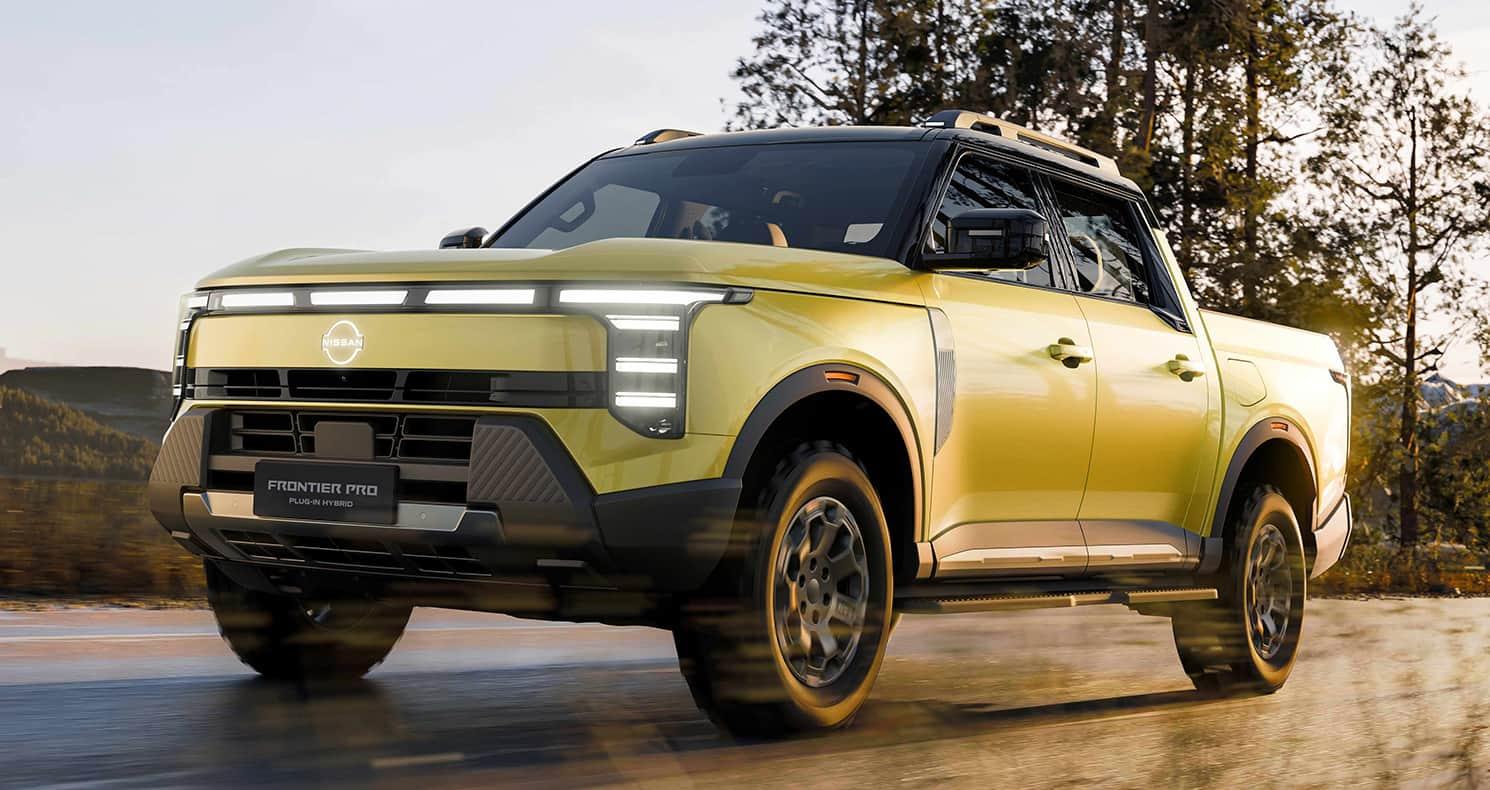
Nissan is in the middle of a major restructuring, having posted significant losses and closed multiple factories globally. Its strategy now places heavy emphasis on its Chinese manufacturing partnerships to reduce costs and bring more competitive products to market. Australian product arrivals, including the Frontier Pro PHEV ute, are part of that recovery plan.
Is the Mazda CX-6e made in China?
Yes. The Mazda CX-6e is developed and manufactured in China through a partnership between Mazda and Changan Automobiles. It is expected to arrive in Australia with Mazda badging, warranty, and dealer support. Mazda's partnership with Changan gives it access to competitive Chinese EV pricing.
Are Chinese car brands still growing in Australia?
Chinese brands now account for around 24 per cent of Australian new car sales. Growth has moderated compared to the peak of 2023 to 2024, with several brands reporting that aggressive price competition has compressed margins. The composition of the market continues to shift rather than the overall share growing dramatically.
Why are legacy car brands turning to China for manufacturing?
Chinese factories can build electrified vehicles, particularly PHEVs and BEVs, at significantly lower cost than Japanese, Korean, or European factories. Legacy brands are using this cost advantage to price products competitively without sacrificing their engineering and brand investment. The model mirrors exactly how Chinese brands learned to build cars through joint ventures with the same legacy brands decades ago.