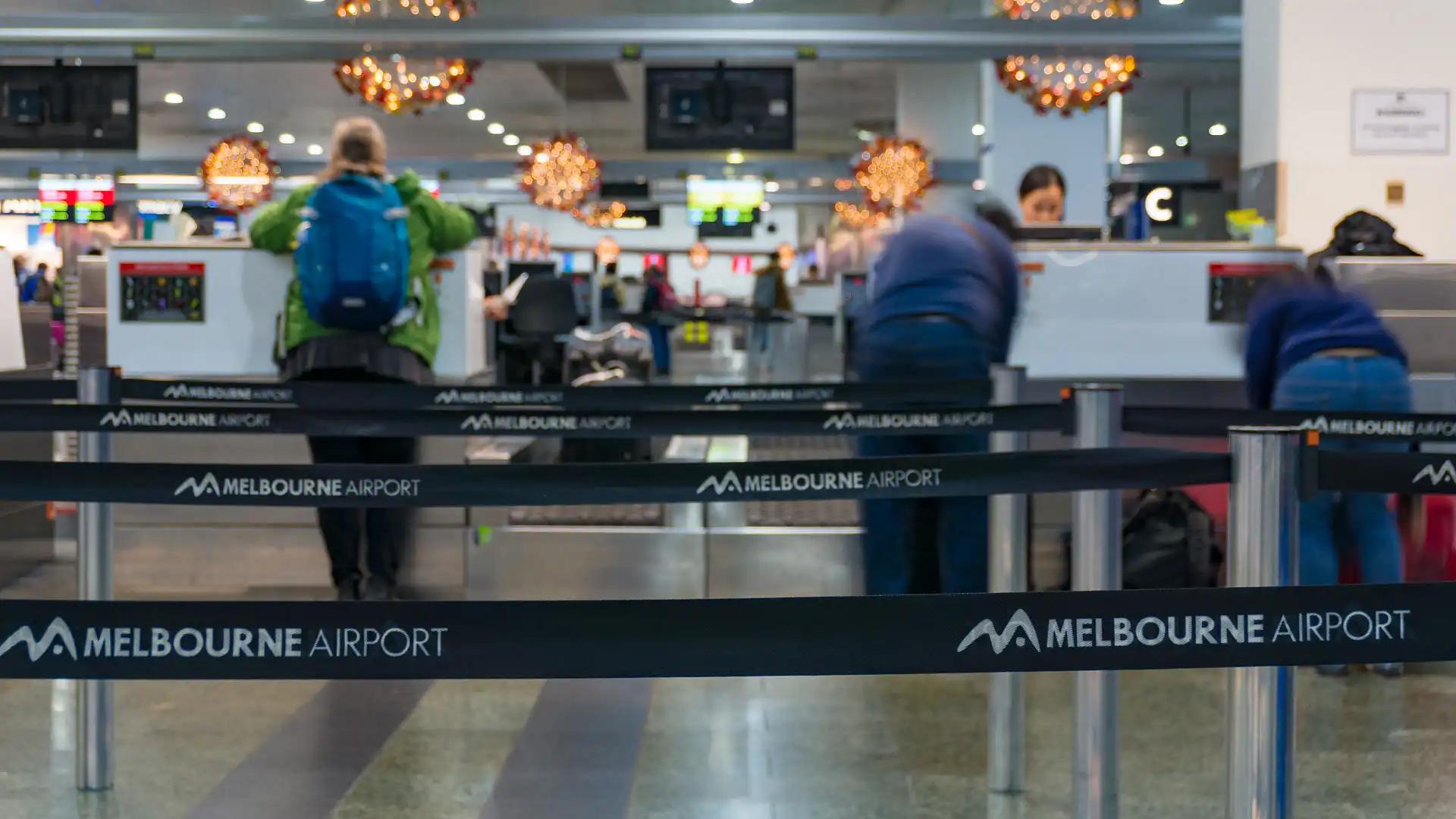
Car theft at Melbourne Airport is now at the highest level on record, with 252 offences reported in the airport postcode during 2025. That is a 42 per cent jump from 2024, and it eclipses the previous record of 212 offences set back in 2018. For any Australian heading to the airport with a car parked on-site or in an off-site lot, the numbers are a wake-up call, not a hypothetical.
Carseekers has dug into the Victoria Crime Statistics Agency data and the police warnings sitting behind those numbers, because the story is more nuanced than "airport parking is dangerous." Some models are far more exposed than others, the techniques being used are more sophisticated than ten years ago, and there are practical steps you can take before you fly that genuinely make a difference.
What the data actually shows
The 252 figure covers all motor vehicle theft offences reported in the 3045 postcode during 2025, supplied to Drive by the Victorian Crime Statistics Agency. The previous high was 212 offences in 2018, and the count typically includes both completed thefts and attempted thefts that police were able to interrupt. Attempted thefts usually make up around 14 per cent of the total.
The 3045 postcode used to be almost entirely the airport itself, with only 64 residents on the latest census. In recent decades, courier and freight operators like FedEx, TGE and DHL have set up around the airport perimeter, so the data also captures any vehicle thefts from those sites. Social media has also flagged thefts from off-site airport parking operators, the third-party providers that offer cheaper rates and shuttle services. Those locations are not run by Melbourne Airport itself.
Why airport parking is such a target
The equation is simple from a thief's perspective. A car parked at the airport is unattended for days or weeks at a time, the owner is verifiably not nearby, and many cars now contain a GPS history that points directly to a home address. Victoria Police has warned of cases where thieves found the owner's home address from the car's GPS, then targeted the house for further thefts.
That is the part of the story most Australian buyers do not factor in. A stolen car is bad enough. A stolen car that hands over your home address, garage code, and the keys to your second vehicle is a much bigger problem. Long-stay airport parking turns your car into a beacon for organised theft rings, particularly if you drive a model with known security weaknesses.
The push-button start vulnerability
Victoria Police has blamed the wide availability of key reprogramming devices for the rocketing vehicle theft numbers across the state. These devices, intended for legitimate use by mechanics and locksmiths, plug into a vehicle's on-board diagnostic (OBD) port and can bypass the security on a long list of popular models. Police estimate they are used in roughly one in three car thefts in Victoria.
Police have specifically warned owners of some Holden, Toyota and Subaru models with push-button start that their cars are particularly vulnerable. Those are also some of the most common cars Australians take to the airport, which is part of why the numbers have climbed so sharply. A standard immobiliser is no longer enough on its own.
Which models you should be most cautious about
While police have not published an exhaustive list of vulnerable models, the at-risk pattern is consistent. Cars with push-button start, no aftermarket immobiliser, and an unprotected OBD port are the easiest targets. That covers a wide range of current and recent Toyota, Subaru, Holden, and Hyundai models among others.
If you drive a Toyota HiLux, Ford Ranger or Isuzu D-Max, be aware that tradie utes are repeatedly cited in vehicle theft data because they are easy to on-sell for parts. SUVs like the Toyota RAV4, Hyundai Tucson and Mazda CX-5 are also frequent targets given their high resale value. None of this means the cars are bad to own. It means they need real-world security beyond the factory immobiliser.
What the police and airport are actually doing
Victoria Police runs a dedicated operation at Melbourne Airport, with officers working alongside the Australian Federal Police and airport security to target organised theft rings. The AFP has confirmed a permanent presence at the airport precinct, and Melbourne Airport itself describes its response as including a CCTV network across the whole precinct and 24/7 patrols by dedicated security personnel.
The airport's statement to media was honest about the limits. "Like many locations across Victoria, Melbourne Airport is experiencing the impacts of a broader rise in vehicle-related crime," the spokesperson said. "We are committed to doing everything within our control to minimise risks and support enforcement efforts." Translation: the airport is not the only problem, and the airport alone cannot fix it.
The Victoria-wide picture is even worse
Victoria recorded 32,013 motor vehicle theft offences in 2025, a 10 per cent jump from 2024 and the highest annual total in more than 20 years. Melbourne Airport's 252 offences are a small slice of that, but they are concentrated in a way that residential theft is not. If you live anywhere in Victoria, your driveway is also less safe than it was a few years ago, particularly if your car has push-button start.
The wider issue is supply-side. Key reprogramming devices are sold internationally and can be ordered online. Until the legal and import frameworks around those devices tighten, the police are largely playing catch-up. That makes individual prevention the most effective defence in the meantime.
How to protect your car before you fly
Victoria Police recommends a layered approach. Use a steering wheel lock, fit an aftermarket immobiliser, install an OBD port lock to stop devices being plugged in, and park off-street where possible. None of those are silver bullets on their own. Together, they shift your car from "easy target" to "too much hassle."
For airport trips specifically, consider parking off-airport with a reputable operator that has staffed gates and 24/7 monitoring rather than a remote unstaffed lot. Wipe your home address from any GPS history visible without the key. Remove valuables. If you have a second vehicle, do not leave its key fob in your unattended car. And before you book that parking spot, ask the operator directly what security they have on-site, because the cheaper lots often have less.
What this means for new car buyers
If you are shopping for a new car in 2026 and parking at airports is part of your life, security needs to be on your spec sheet. Ask the dealer whether the model has an OBD port lockout option, whether the factory immobiliser meets the latest Australian standard, and whether the brand offers an aftermarket tracking subscription that can recover stolen vehicles quickly.
Newer Chinese-brand cars like the BYD Sealion 7 and some Geely models tend to ship with connected-car telematics built in that can help recovery, but the standards vary widely. Carseekers recommends treating vehicle security as a real cost-of-ownership item, not an afterthought. The cheapest car to buy is not always the cheapest car to insure and protect.
Considering finance for your next car? Loanseekers can help you explore car loan options.
The finer details
Your questions answered.
How many cars are stolen from Melbourne Airport each year?
Melbourne Airport recorded 252 motor vehicle theft offences in 2025 across the 3045 postcode, the highest annual total on record and a 42 per cent increase on 2024. The previous record was 212 offences in 2018. Around 14 per cent of those figures are attempted rather than completed thefts.
Are off-site airport car parks safer than on-airport parking?
Not necessarily. Social media reports show thefts at off-site operators too, and those car parks are not run by Melbourne Airport so they fall outside the precinct's CCTV and security patrols. If you use an off-site lot, choose an operator with staffed gates, 24/7 monitoring and a clear written policy on responsibility for theft.
Which cars are most vulnerable to theft in Victoria?
Victoria Police has flagged push-button start models from Holden, Toyota and Subaru as particularly vulnerable, because key reprogramming devices plugged into the OBD port can bypass the factory immobiliser. Popular utes like the Toyota HiLux, Ford Ranger and Isuzu D-Max are also frequent targets, as are mid-size SUVs with strong resale value.
How do thieves use my car's GPS to target my home?
When a car is stolen, thieves can pull the GPS history from the infotainment system to identify the home address, then return to the house knowing the owner is away. Police have warned of cases where thieves stole further vehicles and items from the home after taking the original car. Wipe your home address from the visible GPS history before leaving the car parked at the airport.
What's the best way to protect my car at the airport?
Use a layered approach. Fit an OBD port lock to block key reprogramming devices, add a steering wheel lock as a visible deterrent, fit an aftermarket immobiliser, and remove all valuables. For long-stay parking, choose a staffed lot with 24/7 monitoring rather than a remote unstaffed one. Never leave your second vehicle's key fob in the car you are parking.
Is car theft rising across Victoria, not just at the airport?
Yes. Victoria recorded 32,013 motor vehicle theft offences in 2025, the highest annual total in more than 20 years and a 10 per cent jump on 2024. Police blame the wide availability of key reprogramming devices, which they estimate are used in roughly one in three Victorian vehicle thefts. Individual prevention remains the most effective defence.