Plug-in hybrids had their breakout year in 2025. PHEV sales jumped more than 130 per cent on 2024, with the BYD Shark 6 leading the charge as one of the few utes to grow volume in a tough market. April 2026 numbers show PHEV demand still climbing, up 270 per cent year on year. So why are some industry voices already talking about PHEVs as a bridge technology with a closing window?
The short answer is that EV sales are growing even faster, range and charging are improving in step, and Australian charging infrastructure has finally moved past the chicken-and-egg phase. The longer answer is that the buyer who is choosing between a PHEV and an EV in 2026 has a different question than the buyer who faced the same choice in 2023. The Carseekers view on what to actually buy is below.
What the PHEV pitch was, and still is
Plug-in hybrids exist for a specific buyer brief. Drive electric for the commute, drive on petrol for the road trip. No range anxiety. No public charger anxiety. Lower fuel use than a regular hybrid because the EV-only range covers most metro days. The cost of complexity, in two powertrains plus a battery plus a fuel system, is the trade-off you accept for that flexibility.
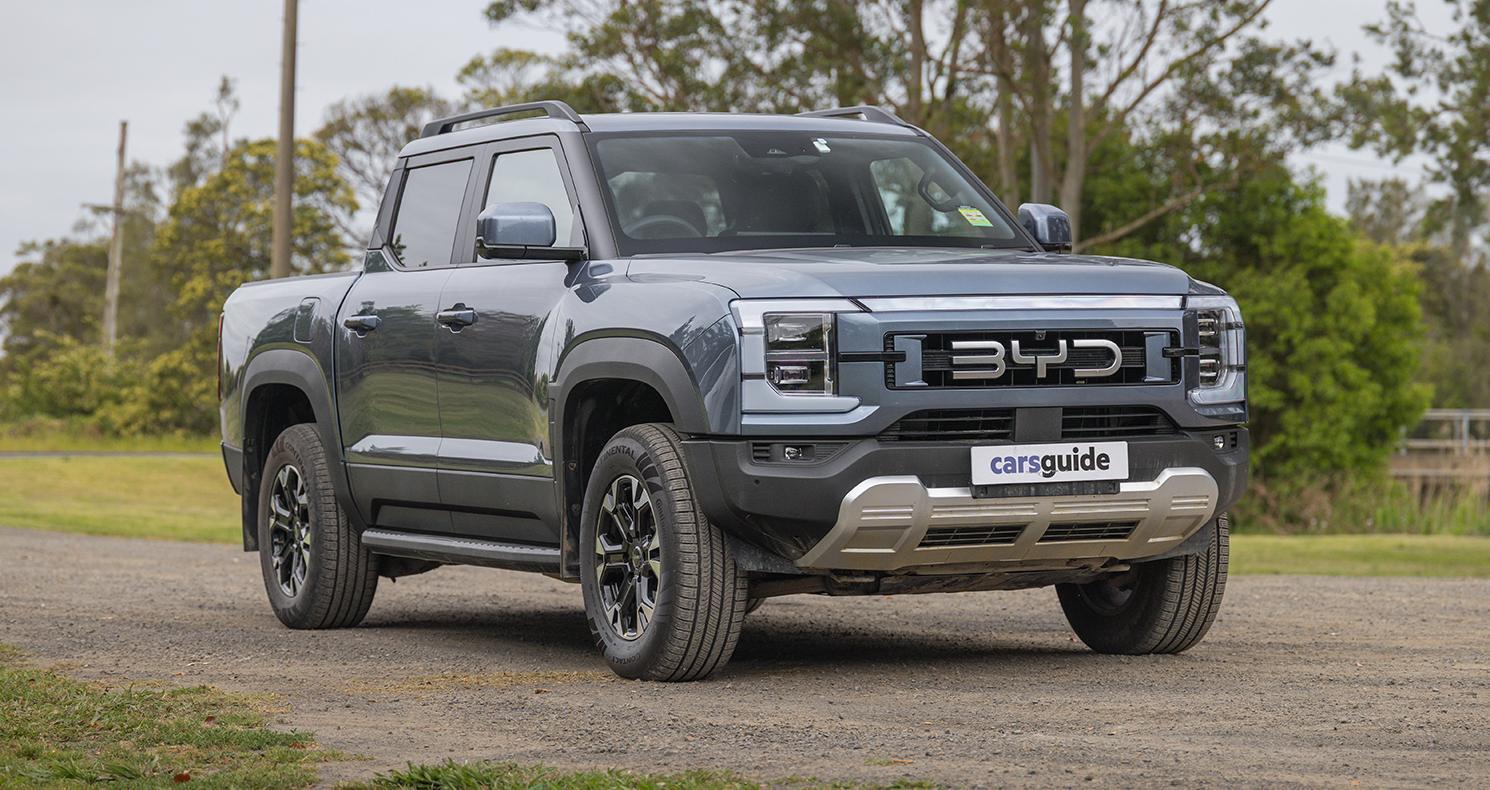
The Shark 6 is the poster child of the formula in Australia. A 1.5-litre turbo-petrol engine paired with dual electric motors delivers the EV-only commute experience and the towing and load-carrying flexibility a ute buyer needs. Towing and payload are modest by hardcore ute standards, but for the suburban dual-cab buyer who wants weekend gravel and the occasional camping trip, the Shark 6 nails the brief at a sharp price.
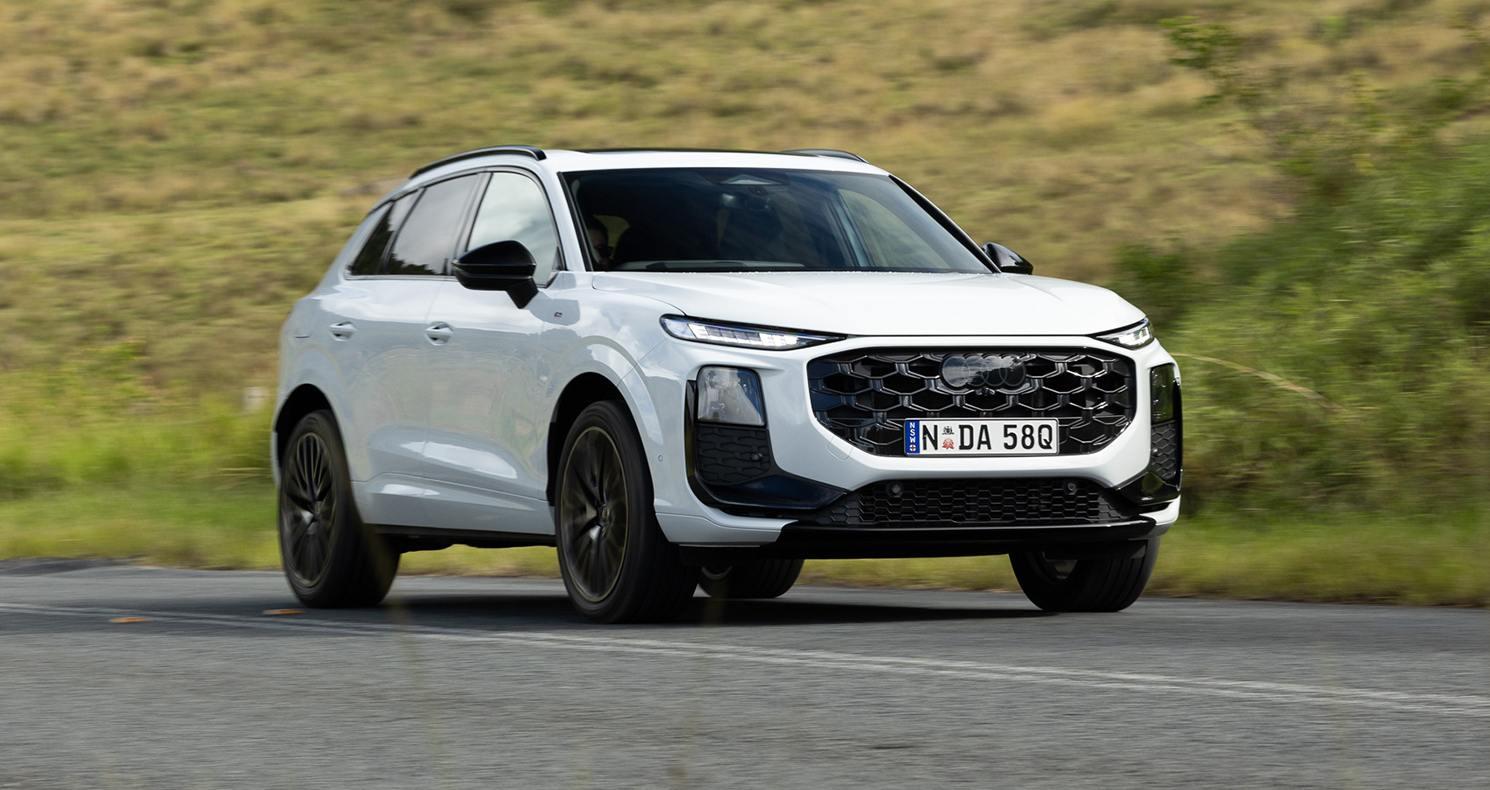
Around the SUV side, brands have flooded the PHEV space. The Cupra Formentor PHEV doubled its range. The Jaecoo J8 SHS landed as a seven-seat PHEV. The GWM Cannon Hi4-T PHEV is hunting the Shark 6 directly. PHEVs are not vanishing in 2026. They are everywhere.
Why the EV curve is now steeper
The shift in 2026 is on the EV side, not the PHEV side. Two things changed at once.
First, EV range. Most EVs in Australian showrooms now deliver more than 400 km of range. Many cover 500 km. The early-2020s pitch of EVs needing a charge every 250 km is gone. For a household with home charging, the weekly habit becomes one or two top-ups, not daily anxiety.
Second, charging speed and infrastructure. Fast charging on most new EVs targets a 30-minute or shorter top-up, against an hour or more on the previous generation. The NSW Government just announced $45 million in new fast charger funding under the 2026 NSW Electric Vehicle Strategy. Federal ARENA funding continues to underwrite the rest. BYD is bringing its Flash charging system to Australia this year, with a high-voltage buffer battery that lifts charge speeds beyond the constraints of the local grid.
The practical result is that the public-charger experience in 2026 is closer to a fuel stop than to a planning exercise, at least along the populated east coast. Range plus charging plus infrastructure has shifted the EV question from feasibility to fit.
Why apartment dwellers may pick EV over PHEV
This is where the conventional wisdom flipped. The PHEV was always pitched as the right answer for people who could not charge at home. In 2026 that pitch has weakened.
If you live in an apartment without a home charger, the PHEV pushes you toward the petrol engine for most driving because charging the battery is inconvenient. The benefit of the PHEV is largely in EV-only commute mode, and that mode requires regular charging. Without home charging, a PHEV often runs as a heavier, more complex hybrid that costs more to buy and more to service.
For the same buyer, an EV with 450 km of range and a fast public charger nearby may be the simpler, cheaper-to-run option. Top up once a week at a public charger. No petrol stop, ever. That maths is now competitive in inner-city suburbs that are well covered by public chargers.
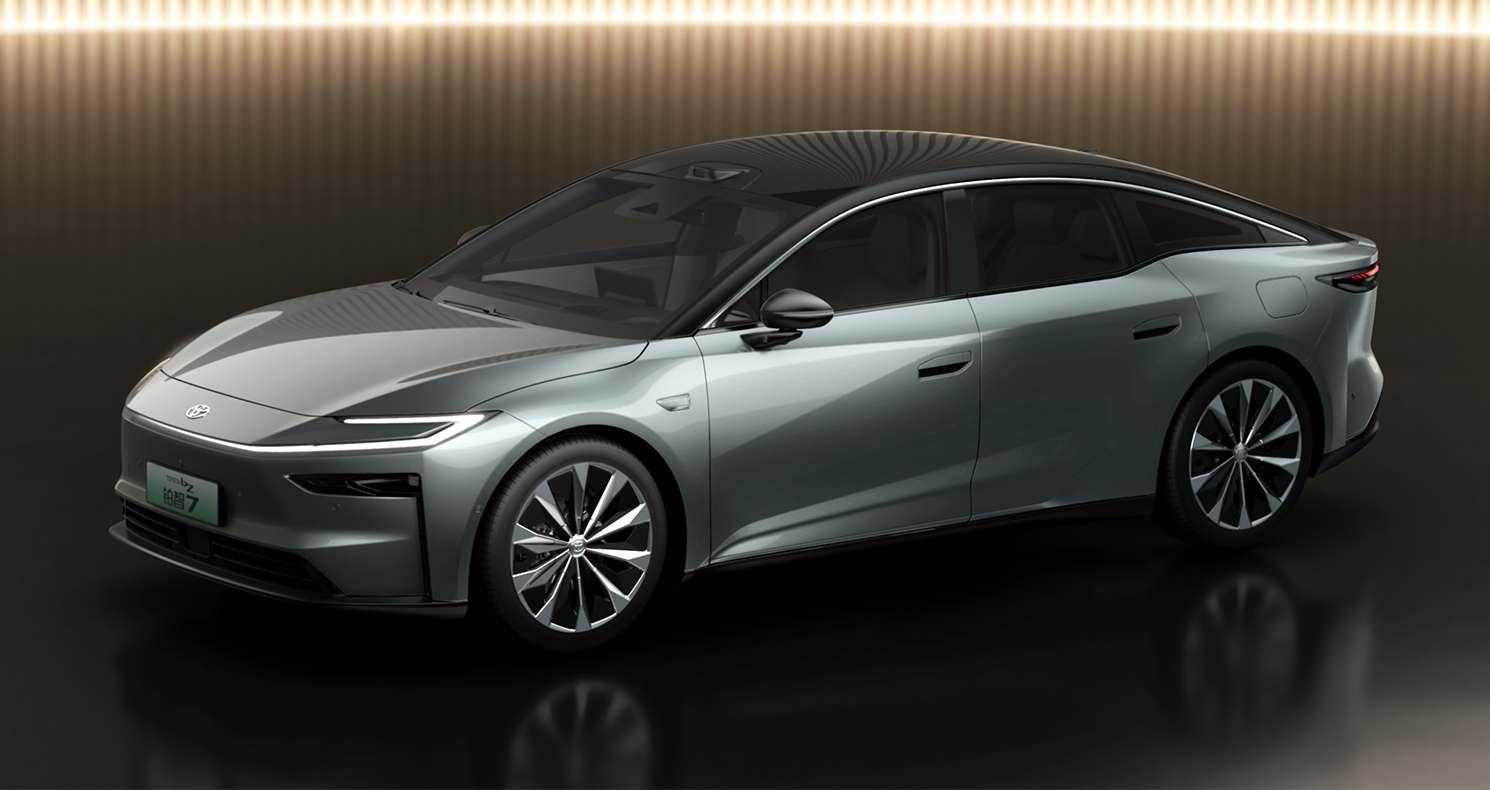
The Tesla Model Y and Zeekr 7X surging in the family SUV segment in early 2026 is partly explained by exactly this buyer. The buyer who in 2023 would have gone PHEV is now choosing pure EV.
Pricing makes the call obvious in some segments
BYD has the cleanest example. The Atto 1 EV starts at $23,990 before on-road costs. The cheapest BYD PHEV, the Sealion 5, is roughly $10,000 more. PHEV systems require two powertrains and a battery, and that cost shows up at the showroom price.
The model body type also shapes the maths. PHEVs are mostly SUVs and utes, which are bigger cars to start with. EVs span everything from sub-$25,000 hatches to $200,000 luxury sedans. The buyer with a $40,000 budget has more EV choice than PHEV choice.
For the family SUV segment, the Toyota RAV4 hybrid sits at one end and the BYD Sealion 7 EV sits at the other. The PHEV middle ground exists, but it costs more than the hybrid and offers fewer EV-only kilometres than the EV. That sandwich is uncomfortable for the PHEV value proposition.
Where PHEVs still win
Three segments remain genuinely strong for PHEVs in 2026.
First, dual-cab utes. The Shark 6, the GWM Cannon Hi4-T, the Jaecoo J8 PHEV, and the upcoming JAC Hunter PHEV all serve buyers who tow, carry loads, or drive long distances on weekends. A pure EV ute is technically possible, but battery weight and tow-mode efficiency still favour the PHEV for now.
Second, three-row family SUVs. A pure EV with seven seats and 600 km of real-world range, with the towing capacity a family caravan trip needs, is a hard product to engineer at a competitive price. PHEV three-row SUVs deliver the family flexibility without the EV charging-on-the-road planning.
Third, regional buyers without reliable fast-charging coverage. The Shark 6 owner in a country town with one DC charger 90 minutes away has a different experience than the Sydney owner with three chargers within 5 km. The PHEV solves that asymmetry by carrying its own backup powertrain.
For cross-shop options on the dual-cab PHEV side, the Carseekers analysis of the GWM Cannon Hi4-T PHEV gives the read on the closest direct rival to the Shark 6 in 2026.
What buyers should actually do
Four practical steps. First, decide on home charging. If you can install a home charger and use it most nights, both PHEV and EV work. Without home charging, EV is increasingly the cleaner choice if your home is near public fast chargers.
Second, decide on towing and load. If you tow more than 1500 kg regularly, a PHEV ute keeps the flexibility. If you tow rarely, an EV mid-size SUV is likely a better fit.
Third, look at total cost of ownership, not just sticker price. PHEVs cost more to service than petrol cars. EVs cost less. PHEV fuel use depends entirely on whether you actually plug in. EV running costs are predictable.
Fourth, take the FBT angle. EVs under the LCT threshold qualify for the full FBT exemption on novated leases until 31 March 2027. PHEVs lost that benefit in 2025. The tax-cost difference between an EV novated lease and a PHEV cash purchase is meaningful for buyers in salary-packaging arrangements.
Bottom line
PHEVs are not on the way out in Australia. They are being narrowed to where they really earn their complexity, mostly utes and large SUVs that need towing flexibility or work in regional areas with limited fast-charging coverage. For the metro family buyer cross-shopping a Shark 6 against a Sealion 7 EV, the EV case is now genuinely strong in a way it was not 18 months ago.
The Shark 6 still wins for tradies, weekend tow buyers, and regional households. The buyer who picked it for the PHEV badge alone, without using the EV mode regularly, may well do better in 2026 with either a regular hybrid or a full EV. The honest call depends on the use case. Buy for the actual driving, not the brochure.
Considering finance for your next car? Loanseekers can help you explore car loan options.
The finer details
Your questions answered.
Are PHEVs being phased out in Australia?
Not phased out, but narrowed. PHEVs are increasingly being concentrated in segments where EVs struggle to compete on towing or three-row range, mainly utes and large family SUVs. Mid-size family PHEVs face hard competition from full EVs that now offer 400 km plus and faster charging.
Should I buy the BYD Shark 6 or wait for an electric ute?
If you tow regularly, drive long distances or work in regional areas, the Shark 6 still makes strong sense. A pure EV ute that matches the Shark's towing and range at the same price is not in showrooms yet. The Shark 6 remains a smart 2026 buy for the right driver profile.
Is a PHEV worth it if I cannot charge at home?
Often not. Without home charging the PHEV defaults to running on its petrol engine for most driving, which removes most of the fuel-saving benefit while keeping the higher purchase price and service costs. An EV with regular public fast charging may be a cleaner answer for apartment dwellers.
How much cheaper is a BYD EV than a BYD PHEV in Australia?
The BYD Atto 1 EV starts from $23,990 before on-road costs, while the cheapest BYD PHEV, the Sealion 5, is around $10,000 more. The pricing gap reflects that PHEVs carry two powertrains plus a battery, and the body styles available are larger SUVs that cost more to build.
How fast is EV public charging in Australia in 2026?
Most new EVs target a 30-minute or shorter fast charge at DC chargers, down from over an hour on earlier generations. NSW just committed $45 million to new public chargers, and BYD is bringing its Flash charging system to Australia with a high-voltage buffer battery to bypass grid constraints.
Do PHEVs still get the FBT exemption in Australia?
No. The FBT exemption for plug-in hybrids ended in 2025. Pure EVs under the Luxury Car Tax threshold continue to enjoy the full exemption on novated leases until 31 March 2027, after which it winds back. That tax difference can favour EVs over PHEVs by thousands of dollars.