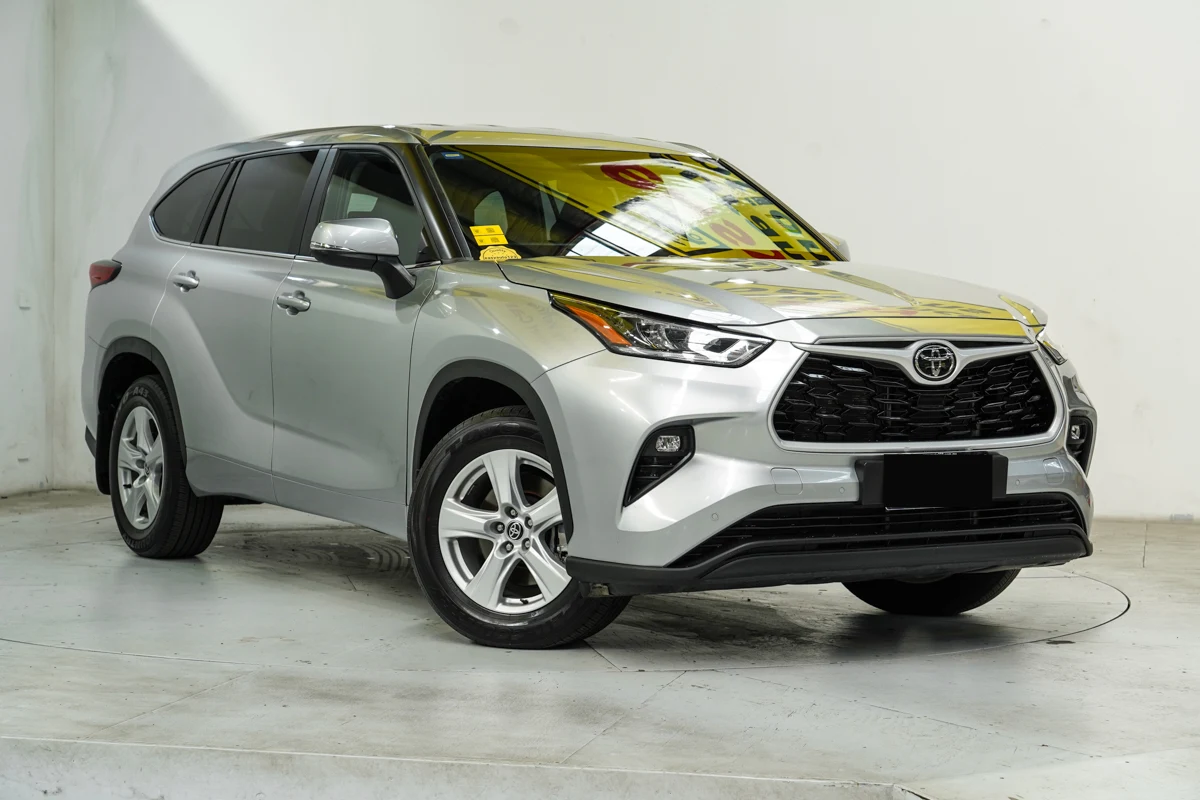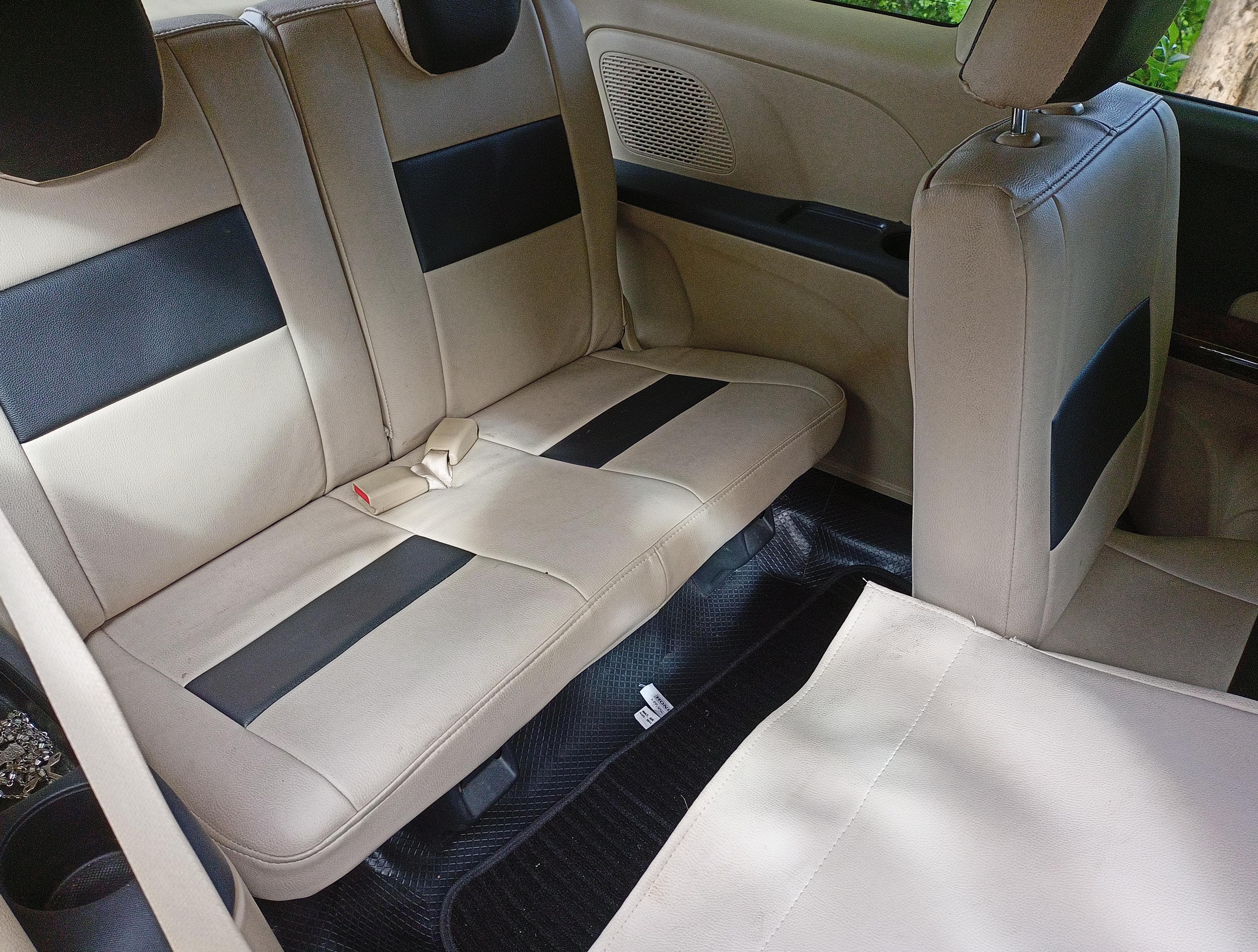

The third-row seat of a 2014 Honda Mobilio photographed overseas. Illustrative cabin-layout context, not an Australian specification or safety endorsement. Previews may crop the photograph.
Photo: Dr. Chinchu C. · CC BY-SA 4.0
Seven seats on a specification sheet do not tell you whether your passengers and luggage fit together. Book a stationary family-fit appointment with the seller and bring the equipment that determines your choice.
Begin with the seating configuration in the exact car's manual. For a Toyota, the Australian owner-manual library is a starting point; select the relevant model and production information rather than using a similar car's instructions.
Write a seat-by-seat use plan
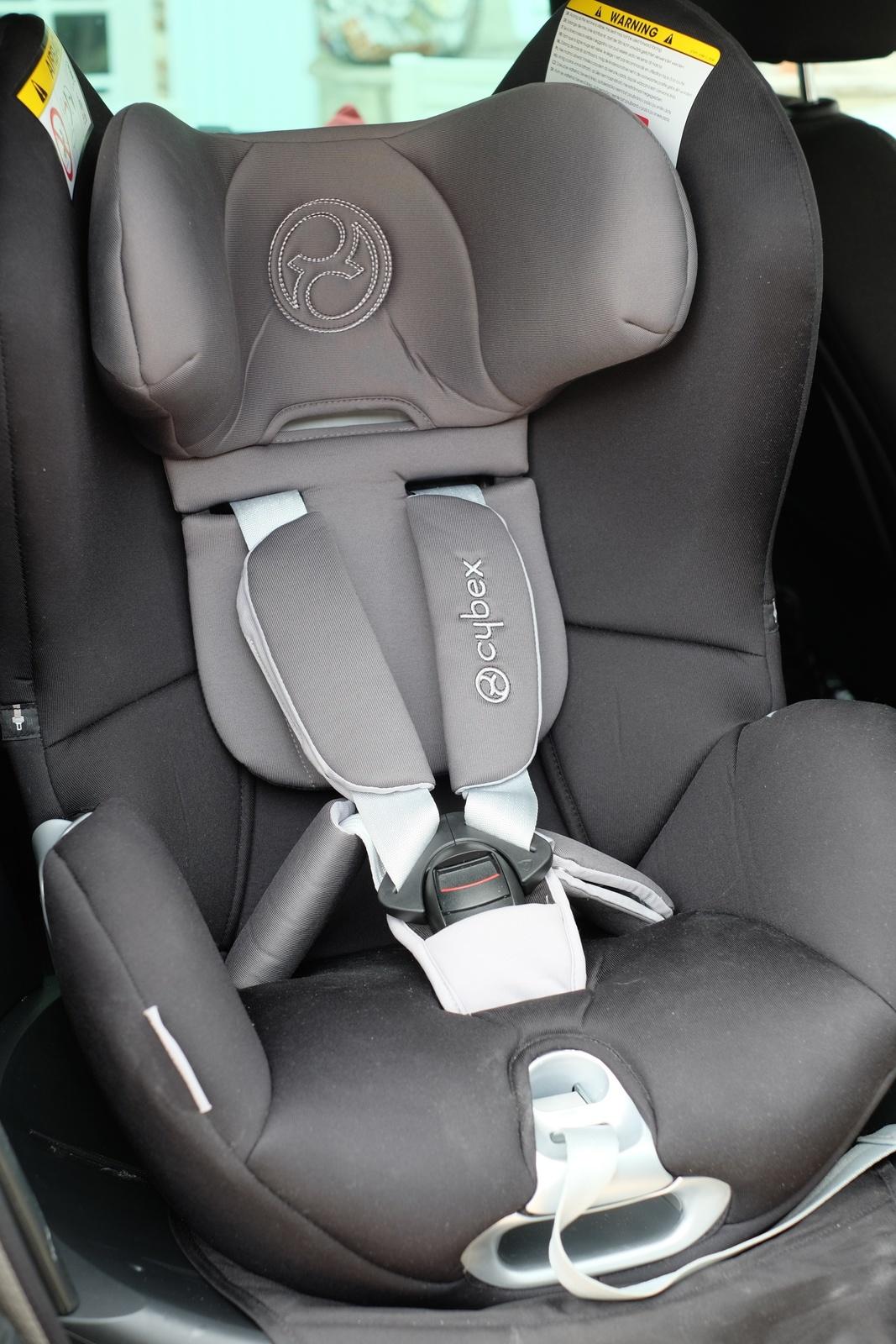
Allocate a person to each position for the trips you actually make. Record which occupants need a child restraint or booster and ask a qualified fitter to confirm the permitted positions and installation.
The NSW restraint guidance requires fitting to manufacturer instructions and the proper anchorage. A visible seatbelt or an apparently reachable tether point does not establish that the proposed restraint arrangement is permitted.
Check the manual before folding or sliding a seat with a restraint fitted. Do not assume that access to the third row remains available after the second-row seats are set up for your family.
Test access as well as sitting space
With the car safely parked, ask intended passengers to enter, sit and exit using the approved access arrangement. Check headroom, leg position, belt access and whether the second-row position remains suitable for its passenger.
Return the front seats to normal driving positions. A third-row test with every seat pushed unrealistically forward does not describe how the family will travel.
Ask the seller to explain any manual restrictions and the available exit route. Resolve uncertainty before deciding that a seat is usable for your regular trip.
Put luggage behind the seats you need
Leave every required passenger seat raised. Load the pram, bags or sports equipment in the arrangement you expect to use, and check the tailgate closes without forcing it.
Record the remaining usable space, not only a published litre figure. Check the manufacturer's instructions for luggage security and loading, and include passengers and equipment when considering vehicle load limits.
Repeat your most demanding normal configuration: for example, all occupied seats plus a weekend's bags. If it only works by leaving essential items behind, write that down as a limitation rather than treating it as a pass.
Compare the configuration, not the label
Our large family-SUV comparison can help form a shortlist, but this simultaneous passenger-and-luggage test is a separate decision. Apply it consistently to each exact variant you inspect.
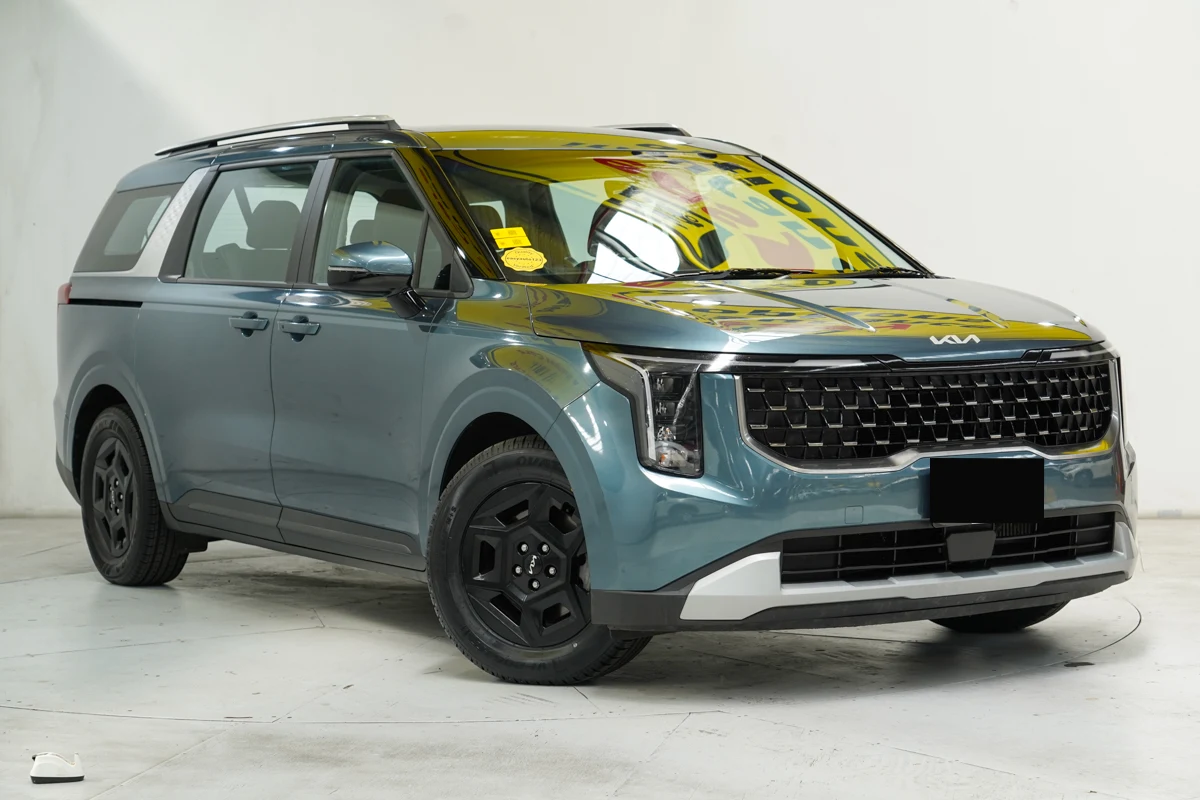
If an SUV suits your family, explore our used SUV collection and verify the seating configuration of each candidate before arranging this fit test.
Keep any required accessories and the agreed seating configuration in the purchase documents. For information about financing the car, visit Loanseekers after establishing the family configuration and purchase price.