The Toyota HiLux, the Ford Ranger, and the Toyota RAV4 dominate Australian new car sales the way they always have. But the more interesting story in 2026 is in the tier below, the cars that are growing explosively, defying category trends, and quietly telling you where the market is heading.
After the first five months of 2026, several models stand out for growth that goes well beyond normal year-on-year fluctuation. Most have something in common: they're either Chinese, hybrid, or both.
Chery Tiggo 7 Pro: The Mid-Size SUV's New Dark Horse
Chery is having a breakout year in Australia. Total brand sales are up more than 84 per cent, and while the Tiggo 4 Pro remains the volume leader with more than 11,000 units sold year-to-date, the Tiggo 7 Pro is the more significant performer in terms of growth rate.
Sales of the Tiggo 7 Pro are up more than 200 per cent versus the same period last year. That's a tripling of its footprint in the mid-size SUV segment, a category that includes the RAV4, Mazda CX-5, and Hyundai Tucson. The Tiggo 7 Pro isn't outselling any of those, but the growth trajectory is impossible to ignore.
For buyers, this signals genuine market confidence in Chery's product quality and value. Growth of 200 per cent can happen when a car is new to market; sustaining it into a second and third year requires word-of-mouth from actual owners, which is now happening.
Kia K4: The Hatchback That Wasn't Supposed to Sell
Reports of the hatchback's death have been exaggerated, at least when the hatchback is good and priced correctly. The Kia K4 replaced the long-running Cerato and added a hatch to the previous sedan-only range. Kia has sold 3,850 K4s in the first five months of 2026, more than double its comparable figures from last year when the hatch was absent.
That's a significant number for a small car in a market where the segment has been contracting. The lesson for buyers: the small car isn't dead, it just needs genuine value, genuine quality, and a real reason to choose it over a small SUV. The K4 has all three.
For buyers currently considering the segment, the K4's growth is evidence that Kia has found the formula. The RAV4 and Corolla Cross dominate because they're the default answer. The K4 suggests buyers who actually think about the purchase are making a different call.
BYD Seal: Sedans Aren't Dead Either
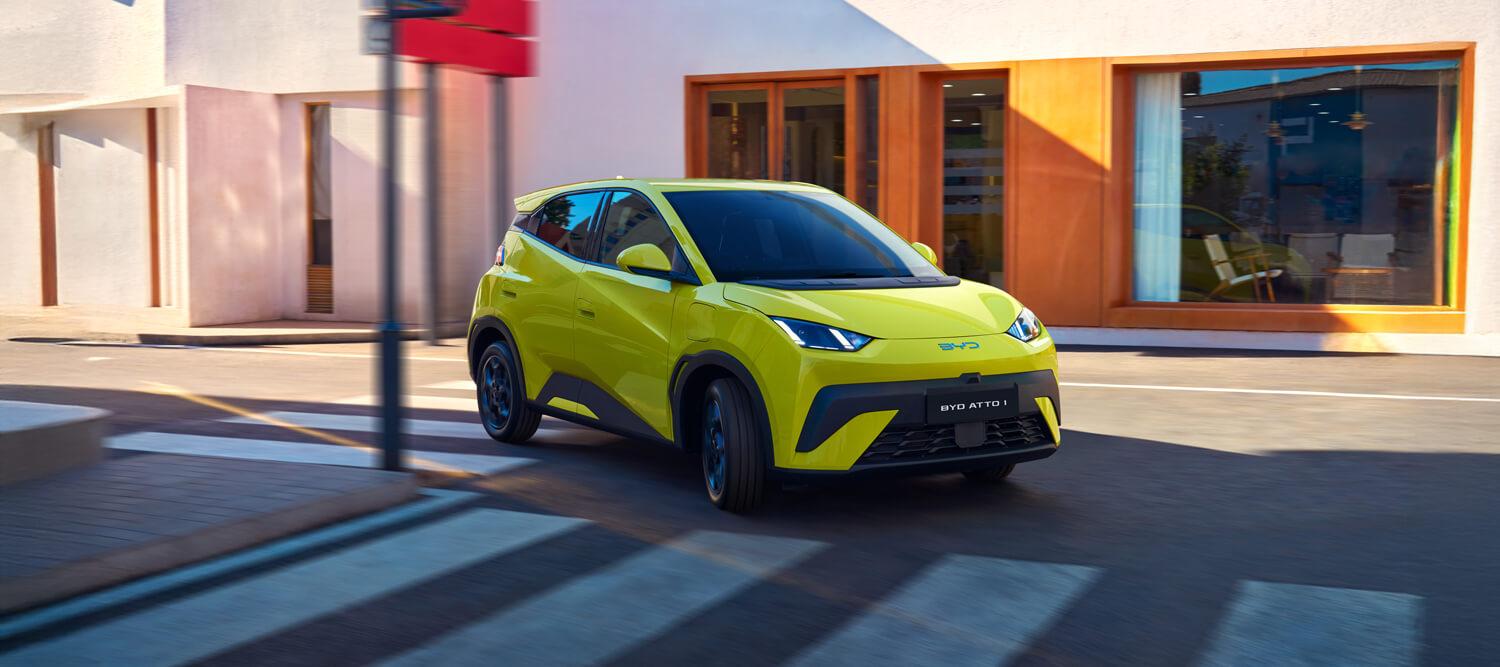
The BYD Seal EV is the genuinely surprising performer on this list. BYD has nearly doubled year-on-year Seal sales in the first five months of 2026, with 1,885 units sold, almost double the equivalent period of last year.
In BYD's own lineup, this actually puts the Seal among its slower-growing models, a measure of how explosively the brand is performing overall. The Sealion 7 is up 297 per cent. The Dolphin is up 115 per cent. The Atto 3 is up 85 per cent despite being the oldest model in the lineup.
But the Seal's story is specifically about the sedan. Mid-size sedans are supposed to be dying in Australia. The Camry survives on fleet muscle and brand loyalty. Everything else in the segment is declining. The Seal has walked into that environment and nearly doubled. That's not just a BYD story, it's a proof of concept that electric sedans have a buyer base willing to go against the SUV default.
Toyota Camry: The Cockroach of Australian Cars
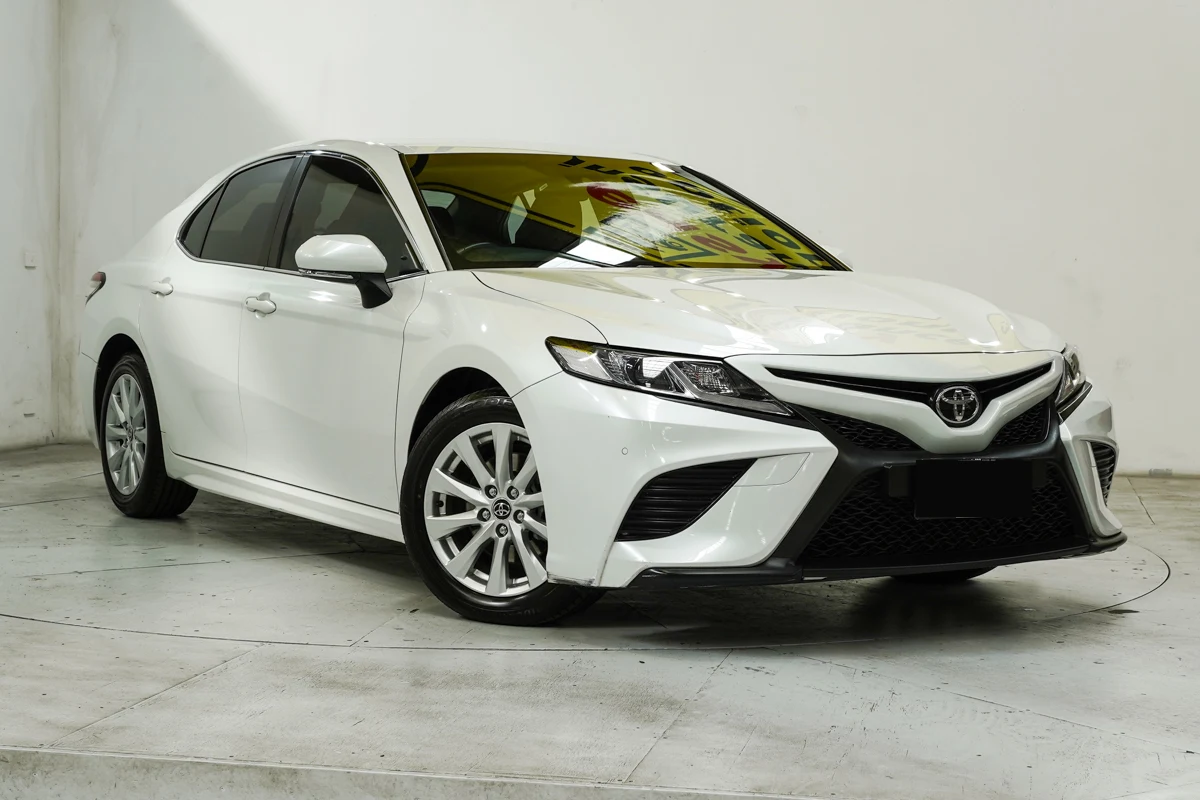
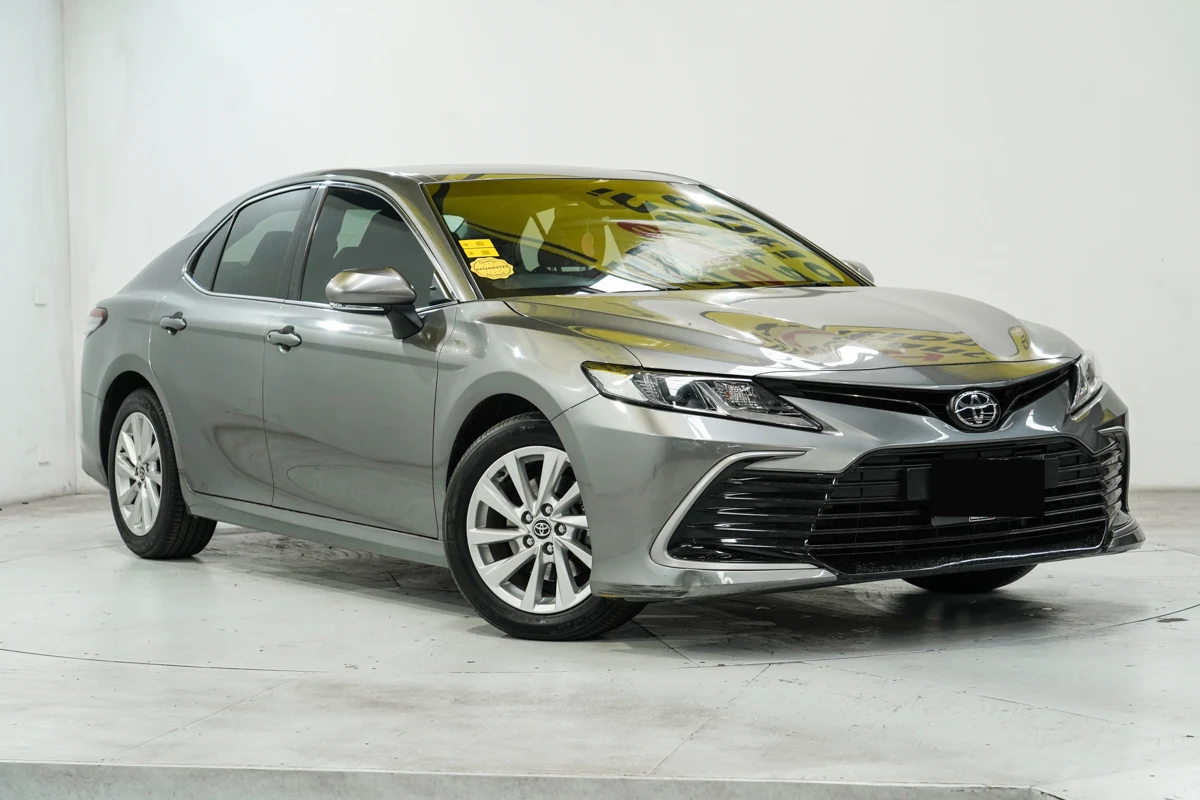
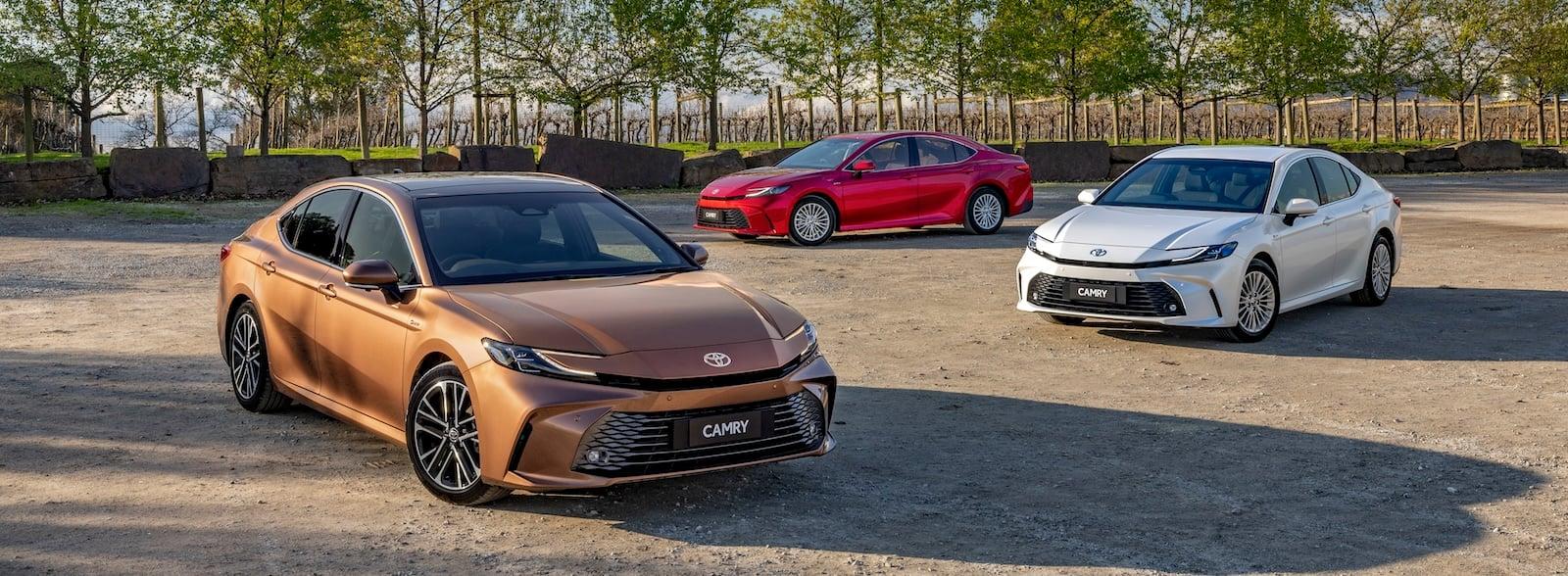
The Toyota Camry has sold 5,221 units in the first five months of 2026. That's modest compared to its peak years, but every other mainstream mid-size sedan in the Australian market is down. The Camry is up.
Dealer commentary consistently describes the Camry as a car that sells itself, buyers who've had one come back, fleet operators who know its resale and reliability record choose it by default, and parents buying for adult children default to the name recognition. That's not exciting, but it's durable market share.
For buyers who dismiss the Camry as boring, the sales data suggests they're in the minority. The hybrid version in particular has found a new buyer profile in 2026, corporate fleet managers and salary packagers who want a low-running-cost vehicle without committing to full EV infrastructure. The hybrid powertrain delivers genuine fuel savings without charging anxiety, and the Camry's reliability record is as close to risk-free as the segment offers.
GWM Tank 300: The Large SUV That's Working
The GWM Tank 300 is performing in a large SUV market that is broadly struggling. While overall large SUV sales have softened as competition increases and the Hyundai Palisade and Kia Sorento dominate the family end, the Tank 300 has grown by positioning itself differently.
The Tank 300 is an off-road-capable large SUV with a body-on-frame platform, which separates it from the unibody family haulers that crowd the price tier. Buyers who want a LandCruiser-adjacent off-road SUV without a LandCruiser-adjacent price are finding it.
The addition of a diesel variant and a plug-in hybrid option has expanded its appeal beyond the core off-road buyer. The PHEV variant in particular makes the Tank 300 a much easier sell to fleet operators and urban drivers who want occasional off-road capability but mostly drive on-road. The 529-unit sales figure for the larger Tank 500 in the same period, compared to 2,228 units for the Tank 300, demonstrates clearly that the smaller model has found its audience in a way the flagship has not.
What These Numbers Tell Buyers
The 2026 sales surge across these models has a clear through-line: buyers are choosing value, practicality, and technology over brand heritage and default choices.
Chery's 200 per cent growth in the mid-size SUV segment is a vote against paying a Toyota or Mazda badge premium when the product underneath is demonstrably competitive. The BYD Seal nearly doubling is a vote for the electric sedan format when the price and range are right. The Camry's resilience is a vote for proven reliability at a price point that doesn't require a leap of faith.
For buyers currently in the market, Carseekers tracks the competitive pricing across all these segments in real time, because the market is moving fast enough that last year's deal benchmarks are already out of date.
Considering finance for your next car? Loanseekers can help you explore car loan options.
The finer details
Your questions answered.
Why is the Toyota Camry still selling well in Australia in 2026?
The Toyota Camry benefits from fleet loyalty, a proven hybrid powertrain, and a reliability record that makes it a default corporate and family choice. Every other mid-size sedan in Australia is declining in 2026, but the Camry hybrid in particular is finding new buyers among salary packagers and fleet operators who want low running costs without full EV infrastructure commitment.
Is the BYD Seal EV available in Australia and how does it sell?
The BYD Seal is available in Australia and sold 1,885 units in the first five months of 2026, nearly double its year-prior performance. Despite being one of BYD's slower-growing models in relative terms, it's proof that an EV sedan can find Australian buyers when the price and range proposition are competitive.
What makes the GWM Tank 300 popular in Australia?
The GWM Tank 300 offers body-on-frame off-road capability with a price significantly below the Toyota LandCruiser Prado. The addition of diesel and PHEV variants has broadened its appeal beyond pure off-road buyers. It sold 2,228 units in the first five months of 2026, outpacing the larger Tank 500 by a significant margin.
How fast is Chery growing in Australia in 2026?
Chery's total Australian sales are up more than 84 per cent in the first five months of 2026. The Tiggo 7 Pro specifically has grown by over 200 per cent versus the same period in 2025. The brand is benefiting from competitive pricing, improved product quality, and growing consumer confidence in Chinese cars.
Is the Kia K4 a good choice over a small SUV in Australia?
The Kia K4 makes a strong argument for buyers who don't genuinely need SUV ride height. It offers more rear legroom than most small SUVs in its price bracket, better fuel efficiency in the petrol version, and the same infotainment and safety tech. Early 2026 sales suggest buyers who do the comparison are choosing it.
Which cars should Australian buyers be watching in the second half of 2026?
The models showing explosive growth in the first half of 2026, Chery Tiggo 7 Pro, BYD Seal, GWM Tank 300, and Kia K4, are worth monitoring for pricing stability and dealer availability. New mid-year models from BYD, Hyundai, and Subaru may shift the competitive picture again. Checking current pricing through Carseekers before visiting a dealer remains the best starting point.