Toyota looked invincible until recently. Then it cancelled another EV. This time it was the Lexus LF-ZC premium sedan — the latest in a series of retreats from a 2021 promise to launch 30 EVs by 2030. With only a handful of electric models actually in market, Toyota looks exposed.
But the world's largest carmaker didn't build that position by making blind bets. The situation is more strategic than it appears.
Toyota's EV Reversal — and Why It Happened
In 2021, Toyota made a global announcement that it would electrify aggressively: 30 new EVs by 2030, backed by what it described as a A$100 billion investment commitment. That was the headline.
The reality that followed was different. By 2024, Toyota had revised those plans. EV adoption globally was slowing — in key markets like the US, reduced government incentives caused sales to soften significantly. Europe shifted from zero-emission mandates to broader 'reduced emissions' standards, opening the door to hybrids and plug-in hybrids as compliant technologies.
Toyota's response was pragmatic: they were right that hybrids would remain relevant longer than some analysts predicted, and they doubled down on what they already knew how to build very well. The hybrid models that Toyota, Lexus, and their joint ventures produce are best-in-class in many segments, and demand for them remained strong even as EV demand softened.
By early 2025, Toyota's Australian vice president of sales was saying publicly what the data showed: "The plain truth is that demand for battery electric vehicles in markets around the world is not living up to the hype."
The [Hormuz] Event Changes Everything
March 2026 introduced a variable that no manufacturer had fully planned for. The Strait of Hormuz — through which approximately 20 per cent of the world's oil and natural gas is transported — was blocked as a result of the conflict in Iran. Australia, which sources much of its refined fuel from Malaysia (which itself depends on Middle Eastern crude), felt the fuel price impact rapidly.
What followed was a demand surge for EVs unlike anything the market had seen organically. SUV EV sales were up 150 per cent year-on-year. Car EV sales up 77.4 per cent. The infrastructure-constrained, cost-hesitant Australian buyer was pushed into EV consideration by fuel economics, not by manufacturer marketing.
In this environment, Toyota's hybrid-first pivot suddenly looks more like an in-between position than a destination. The bZ4X and C-HR EV are selling, but Toyota's EV range is narrow and the brand lacks the breadth of models that Chinese rivals like BYD have built out over the same period.
So what is Toyota actually doing?
Toyota's Possible Plays
The first possibility is the most conservative: Toyota is betting the Hormuz-driven EV surge is temporary. When the conflict ends and fuel prices normalise, buyers return to hybrids. Toyota has the strongest hybrid lineup in the industry and is positioned to benefit from that return.
This view has historical support. EV demand has shown it's sensitive to incentives and fuel prices — when those variables normalise, so does consumer behaviour. If Toyota is right, their hybrid strength becomes a durable commercial advantage rather than a tactical retreat.
The second possibility is more aggressive: Toyota can buy its way back into EV leadership when it chooses. The company has the capital, the manufacturing scale, and the supplier relationships to accelerate if market conditions demand it. The LF-ZC cancellation and the bZ program slow-down are not evidence of incapacity — they are evidence of a company choosing not to build EVs at a loss in a market that hasn't fully committed to them.
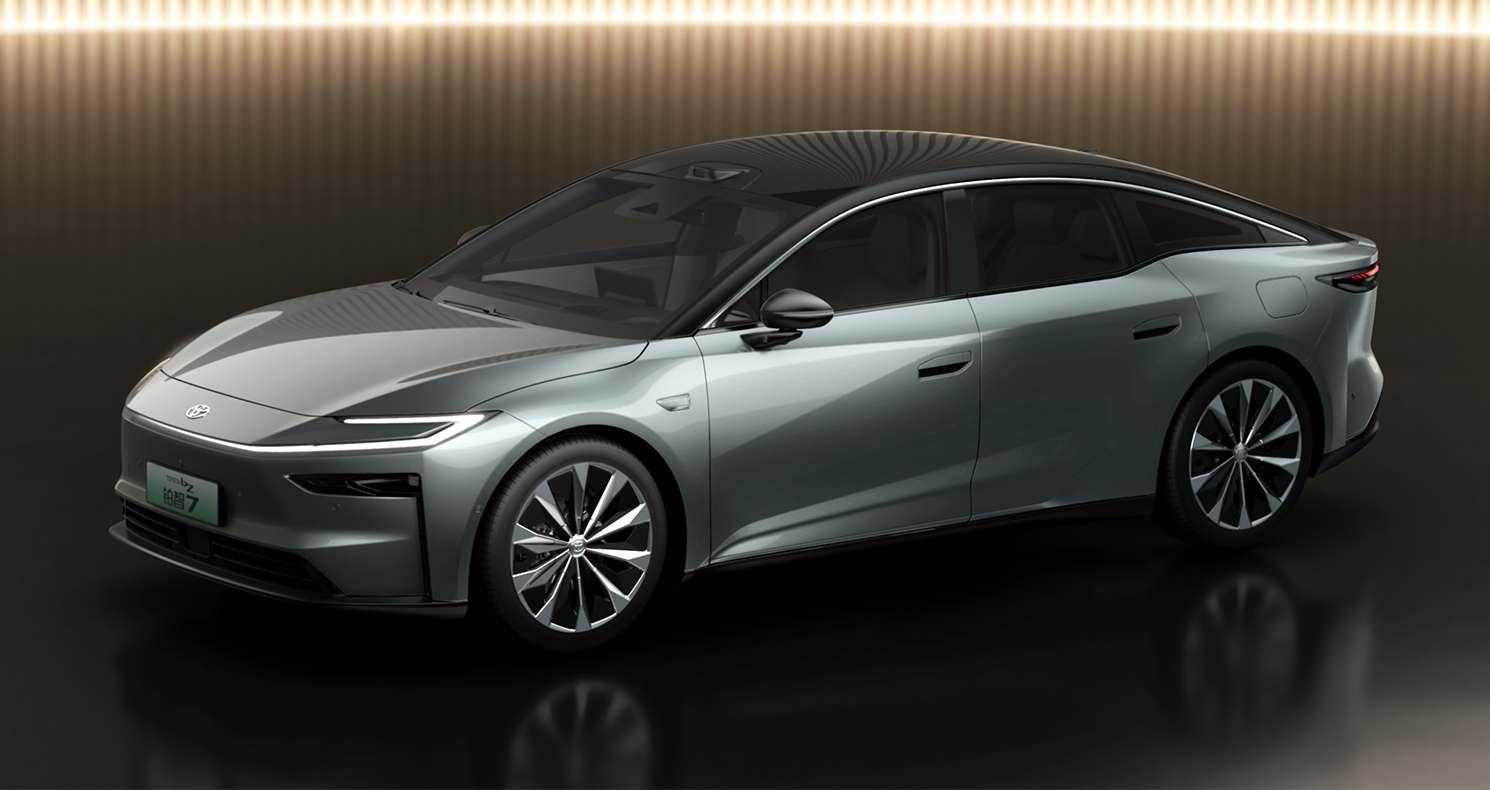
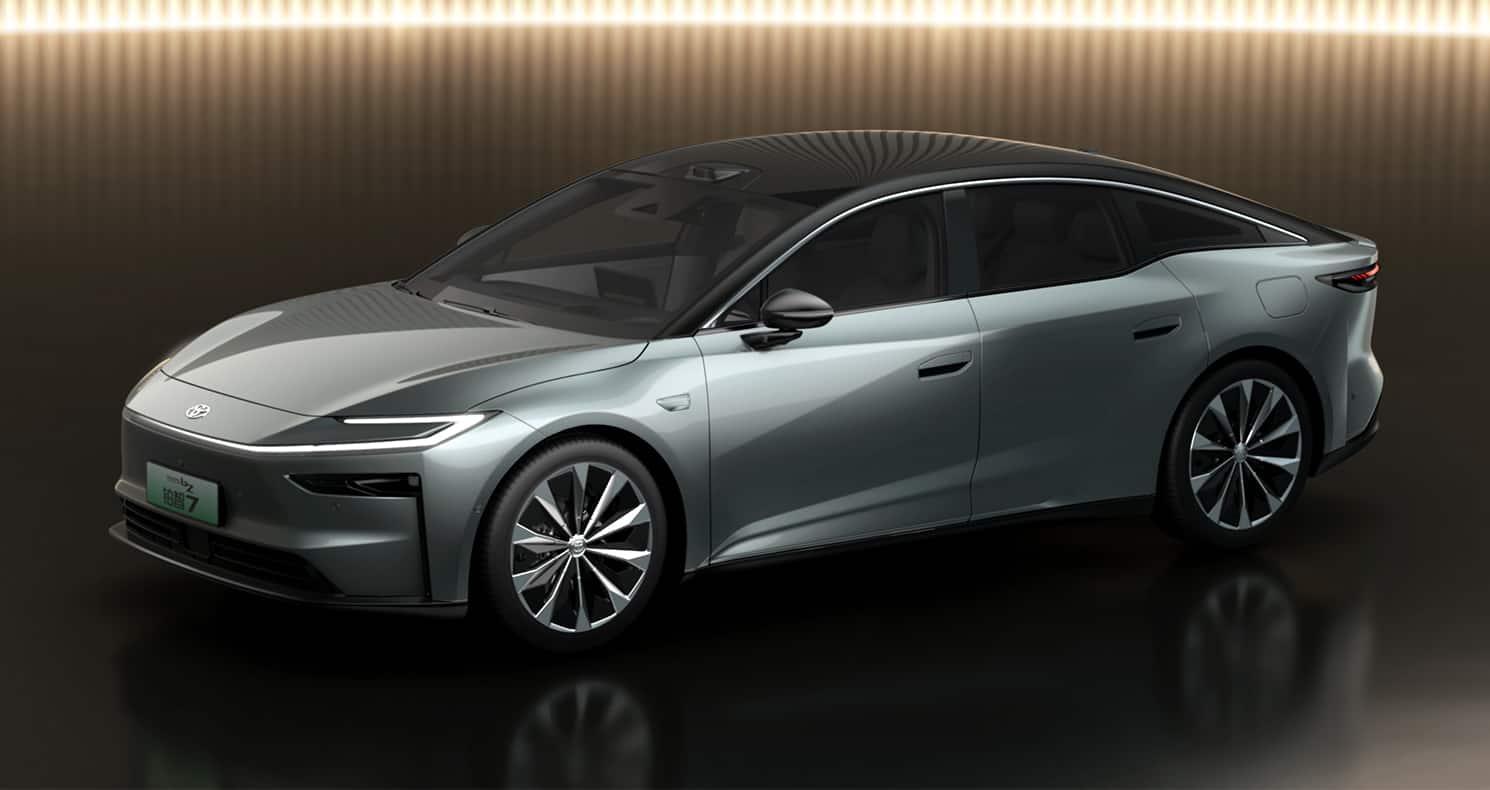
The third possibility: Chinese partnerships. Toyota already has the bZ7 developed with GAC for the Chinese market. That engineering and platform capability is available to Toyota without the lead time of in-house development. If Toyota needs to launch more EVs quickly, Chinese-partner platforms offer a fast path — one that several other legacy brands are already using.
What This Means for Australian Toyota Buyers
For buyers looking at Toyota in Australia right now, the message is nuanced.
The hybrid models — RAV4, Kluger, Camry Hybrid — remain strong products. They benefit from Toyota's manufacturing consistency and well-established service infrastructure across Australia. The hybrid investment is not going anywhere.
For buyers specifically seeking a Toyota EV, the bZ4X is the current option. It's a competent EV but not a technological leader in its segment at current pricing. Toyota's EV development is real, just slower than originally announced.
The forward-looking observation: the Hormuz event has created a commercial signal that even Toyota cannot ignore. If elevated fuel prices persist for a meaningful period, Toyota's hybrid-first position becomes more of a constraint than a strategy. Watch for a more aggressive EV product announcement from Toyota or Lexus in 2027 as the company responds to a market that has now moved faster than its most conservative forecasts anticipated.
Carseekers tracks Toyota's full Australian lineup and can help you compare hybrid and EV options to find the right fit for your driving patterns and budget.
Considering finance for your next car? Loanseekers can help you explore car loan options.
The finer details
Your questions answered.
Why has Toyota been cancelling EV models like the Lexus LF-ZC?
Toyota revised its EV strategy in 2024 after global EV demand growth slowed from earlier forecasts. Rather than push models into a market not yet ready for them, Toyota prioritised its proven hybrid technology where demand remained strong. The LF-ZC cancellation reflects continued caution on premium EV investment in a market that is evolving but still uncertain.
Does Toyota still sell EVs in Australia?
Yes. Toyota currently offers the bZ4X and the C-HR EV in Australia, alongside a full lineup of hybrid and plug-in hybrid models. The EV range is narrow compared to dedicated EV brands, but both models are available through the Toyota dealer network with full warranty support.
How has the Hormuz Strait crisis affected EV sales in Australia?
The Hormuz blockade in March 2026 caused fuel prices to spike, accelerating EV demand significantly. SUV EV sales were up 150 per cent year-on-year and car EV sales up 77 per cent as Australian buyers responded to higher running costs for petrol and diesel vehicles. This event pushed EV consideration beyond the early adopter cohort into mainstream buyer segments.
Is Toyota's hybrid strategy still the right call in 2026?
In stable conditions, yes — Toyota's hybrids remain strong products with proven reliability and broad dealer support. The Hormuz-driven fuel price spike in 2026 has tested that position, accelerating EV demand faster than Toyota's conservative forecast anticipated. Whether the strategy holds depends on how long elevated fuel prices persist.
What Toyota hybrid models are available in Australia?
Toyota offers hybrids across its range including the RAV4 Hybrid and RAV4 PHEV, Kluger Hybrid, Camry Hybrid, Corolla Hybrid, Yaris Cross Hybrid, LandCruiser 300 Hybrid, and HiLux Hybrid. Toyota's hybrid lineup is one of the broadest of any manufacturer selling in Australia.
Will Toyota launch more EVs in Australia soon?
No major new EV announcement has been made for Australia in the near term. Toyota has the engineering capability and capital to accelerate EV development if market conditions demand it, and Chinese partnerships (like the GAC-developed bZ7) offer fast-path options. Watch for an updated product announcement in 2027 as Toyota responds to the post-Hormuz market shift.