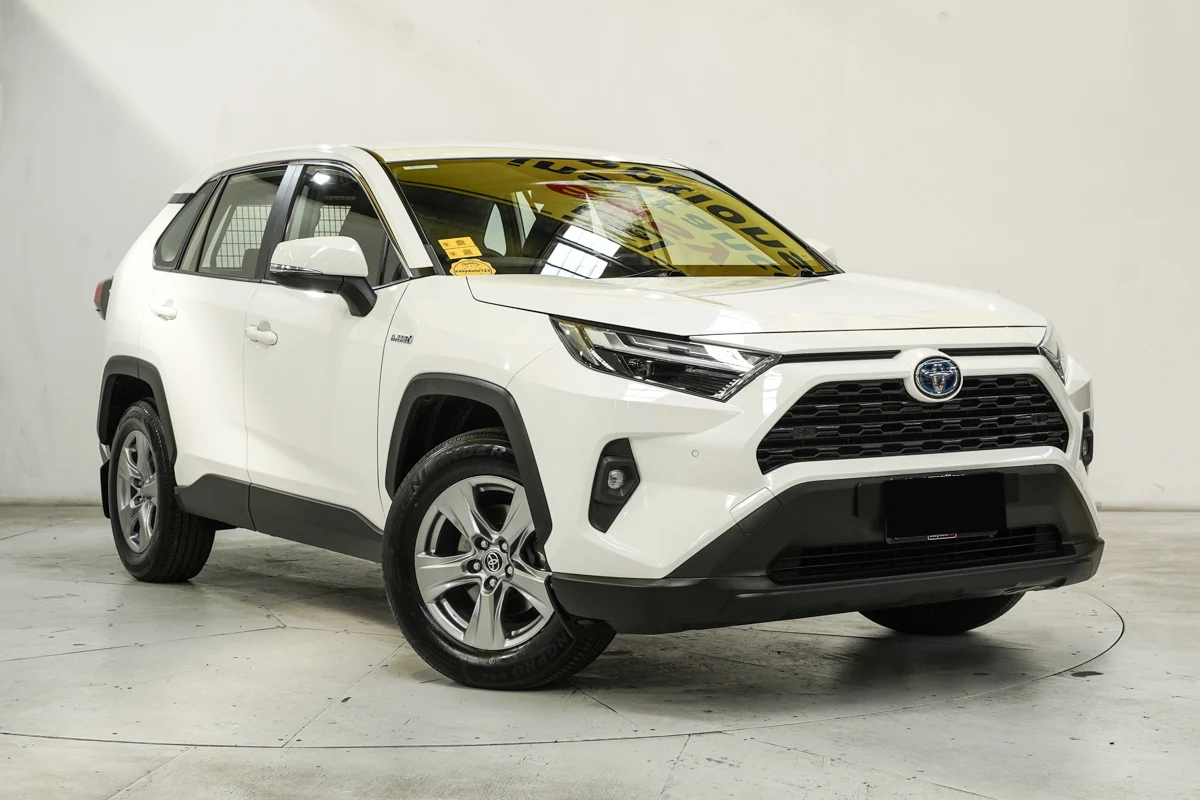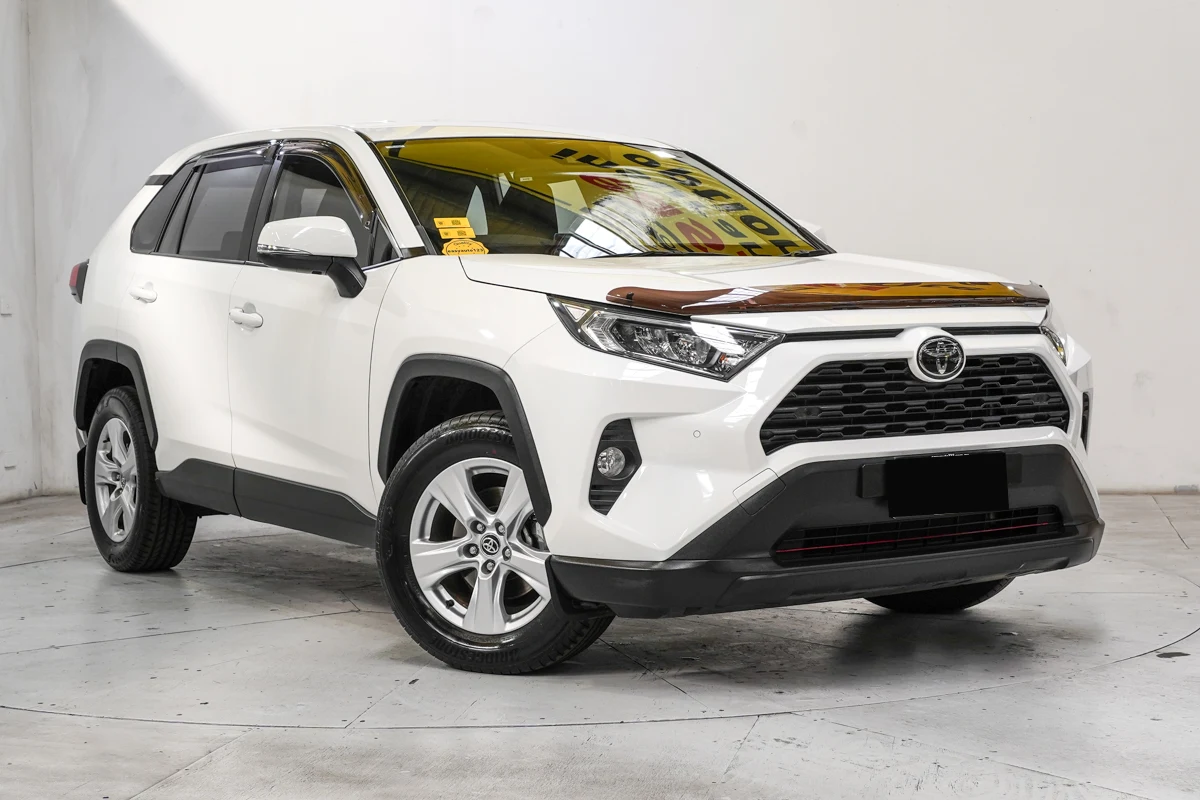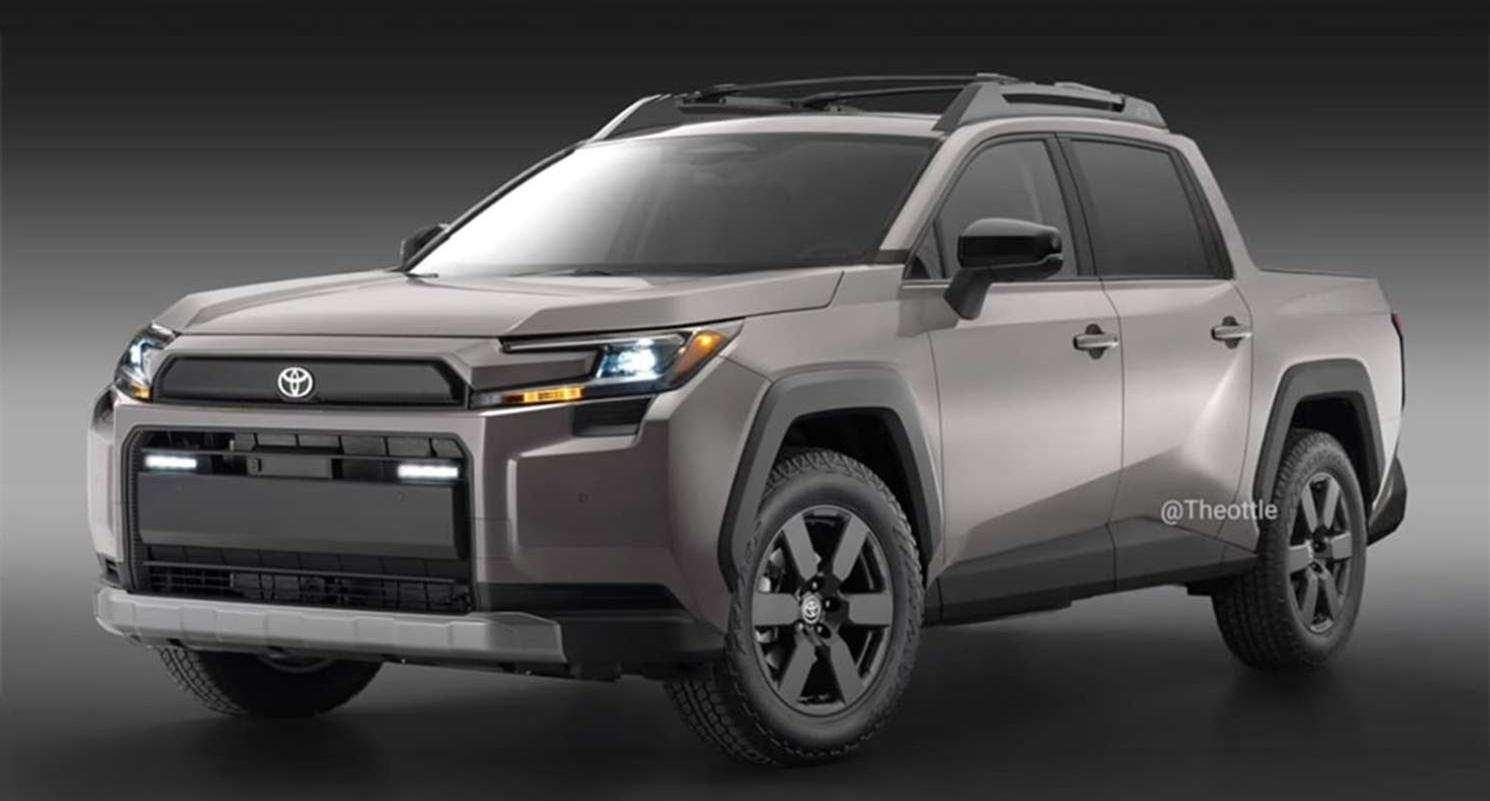
A small unibody ute from Toyota appears to be moving from rumour to development. The brand's North American Chief Executive Officer Tetsuo Ogawa has confirmed in an Auto News interview that the long-discussed RAV4 based pickup is on the company's roadmap, that dealer demand is genuine, and that the project is being timed for the right moment to enter the segment.
"But for the compact truck? Definitely, we have such demand," Ogawa said. "A RAV4-based pickup is an opportunity for us, and the dealers are waiting. Maybe they say we need today or tomorrow, but it takes time."
For Australian buyers, the question is whether any of this lines up with the local market. Carseekers has been tracking the small-ute conversation here for two years, and the answer is genuinely interesting. Toyota Australia has not committed to anything, but the platform sharing with the RAV4 means the engineering pathway is straightforward.
Why this is happening now
Toyota first showed an electric EPU pickup concept at the 2023 Tokyo Mobility Show, and senior executives have been hinting at production approval since then. The car would compete directly with the Ford Maverick and Hyundai Santa Cruz in North America, both of which have outperformed their initial forecasts.
The Maverick has been the surprise story of the segment. Ford has sold hundreds of thousands of Mavericks in the US since launch, and a meaningful share have been to buyers downgrading from full-size F-150s into a smaller, more fuel-efficient option. The Santa Cruz has been more niche but still successful. Toyota has watched both succeed and is now openly talking about claiming its share.
Utes built on car-derived monocoque platforms are a different product to traditional ladder-frame utes. They cost less to build, deliver better on-road comfort, and offer significantly better fuel economy. They also tow and carry less. A RAV4-based ute would likely top out around 1,500kg of payload and 2,500kg of braked towing, well short of a HiLux but enough for a tradie weekend or a serious weekend recreational user.
Why it might come to Australia
The Australian small-ute segment is currently a vacuum. The HiLux and Ford Ranger dominate the full-size dual-cab space. The BYD Shark 6 and Kia Tasman have entered with new product. But genuinely small unibody utes are not on sale here in any volume.
The Volkswagen Amarok and Mitsubishi Triton sit at the larger end of the segment. The Subaru Brumby disappeared decades ago. The only sub-Hilux unibody option in this market is essentially nothing. A RAV4-based ute landing here at $42,000 to $52,000 drive-away would create a new category and likely find buyers quickly.
The practical use case is also Australian. Recreational users who do not need a full-size ute, suburban tradies who need an open tray for trips to the hardware store, and lifestyle buyers who want something visually distinctive. The current Australian market has been pushing buyers up to a dual-cab they do not really need because the alternative does not exist.
The chassis decision tells you everything
Ogawa's confirmation includes one critical technical detail. The ute will be built on the RAV4's monocoque chassis, not on the ladder frame that underpins the HiLux. That is significant. It tells you exactly where Toyota is positioning this car. Not as a HiLux replacement or a HiLux competitor. As a complement at the smaller, lighter, more on-road-focused end of the ute spectrum.
The drivetrain is almost certainly going to be hybrid-only, in line with Toyota's broader strategy. Expect the same Atkinson-cycle 2.5-litre petrol-electric setup as the latest RAV4, with combined fuel economy in the 5.5 to 6.5L per 100km range. That fuel economy figure alone is a story for Australian tradies who have been watching petrol prices climb past 200c per litre.
Given North America is the target market, expect left-hand-drive only at launch. That is the major hurdle for Australian sales. Toyota has historically been willing to invest in right-hand-drive conversions for products with strong export volume potential, but the business case is hard to justify on a single niche model.
Dealer behaviour to watch
The key signal for Australian buyers is whether Toyota commits to right-hand-drive engineering at the same time as left-hand-drive production. That decision usually gets made 18 to 24 months before launch and tends to be communicated quietly through executive interviews rather than formal announcements.
If the RHD decision is made, expect Toyota Australia to announce it via a media release around the same time the US gets pricing confirmation. If RHD is not on the table, the conversation around Australia goes quiet for several years.
For buyers currently shortlisting a HiLux SR5 or Ford Ranger XLT, the RAV4-based ute is unlikely to be a direct alternative. The towing and payload gap is too significant. For buyers looking at a Hilux Workmate as an open-tray basic ute, or a Mahindra Pik-Up, the new Toyota would be a genuine cross-shop if and when it arrives.
Timeline reality check
Ogawa's comments suggest production is still several years away. "It takes time," he said. Industry sources suggest a US launch in 2027 or 2028 with Australian arrival, if it happens, in the following 12 to 18 months. That puts a realistic Australian launch in 2029 at the earliest.
In the meantime, the Australian small-ute conversation will continue without Toyota. The BYD Shark 6 has shown that there is genuine demand for non-traditional ute formats. The LDV T60 and JAC T9 have proven that price-led entries can find buyers. By the time the RAV4 ute arrives, the segment will look quite different to today.
What this means for the current HiLux buyer
If you are buying a HiLux today, the RAV4-based ute is not a threat to your purchase. Different segment. Different capability. Different use case. The HiLux remains the right choice for buyers who need genuine 4WD capability, real towing capacity, and the ability to handle abuse over a long ownership cycle.
If you are buying a HiLux today because you cannot find a smaller, more economical option, that calculation will change in 2029. Worth knowing if you are about to commit to a $60,000 HiLux SR5 dual-cab that will primarily live in your suburban driveway.
Considering finance for your next car? Loanseekers can help you explore car loan options.
The finer details
Your questions answered.
Is Toyota actually building a RAV4-based ute?
Yes, according to Toyota's North American CEO Tetsuo Ogawa. He confirmed in an Auto News interview that the project is on the roadmap, dealer demand is genuine, and the brand is timing the launch for the right moment in the segment.
Will the RAV4 ute come to Australia?
Not confirmed. North America is the target launch market, which means left-hand drive only at launch. Australian sales depend on Toyota committing to a right-hand-drive engineering programme, which is usually decided 18 to 24 months before production.
How much will the Toyota RAV4 ute cost?
No pricing has been announced. Based on the Ford Maverick's US pricing and the Toyota brand premium, expect a US base price equivalent to around $35,000 USD. An Australian launch, if it happens, would likely land in the $42,000 to $52,000 drive-away range.
Will it replace the HiLux?
No. The RAV4 ute uses a monocoque chassis rather than the ladder frame that underpins the HiLux. Towing and payload will be substantially less, putting it in a different segment. It is intended as a complement to the HiLux at the smaller, more economical end of the ute market.
When will the RAV4 ute launch?
Industry sources suggest a US launch in 2027 or 2028. Australian arrival, if it happens, would be in the following 12 to 18 months, making 2029 the earliest realistic local on-sale date.
Should I wait for the RAV4 ute or buy a HiLux now?
Buy a HiLux now if you need genuine 4WD capability, real towing, or the ability to handle worksite abuse. Consider waiting if your ute use is primarily suburban and you want a more economical, on-road-focused alternative. The RAV4 ute is several years away at best.