
The debate over when and whether petrol cars will be banned has dominated automotive media for years. A senior Volkswagen executive has added a different framing to that conversation: one that removes the ban narrative entirely and replaces it with a historical parallel most buyers can understand.
Martin Sander, Volkswagen's board member for sales, marketing, and aftersales, made the prediction in an interview with European media. His point: EVs will replace internal combustion engine cars the same way cars replaced horses in the early 20th century. Naturally. Gradually. Without a government decree that made keeping a horse illegal.
What the VW Exec Actually Said
Sander posed a challenge to journalists in his interview: "Do you know when horses were banned? When was it forbidden to buy horses?"
His answer, of course, is that horses were never banned. Consumers simply found cars more practical, more affordable, and more useful for their lives. Horse ownership declined because better alternatives emerged — not because a government decree made keeping one illegal.
His implication for EVs: the same dynamic will play out. Governments debating ICE bans are, in Sander's view, framing the conversation in the wrong direction.
"How do you convince customers about a new technology if you're only talking about when there will be a date when you are not allowed to use these vehicles?"
His preferred framing focuses on the positive case for EVs — charging infrastructure investment, honest communication about running costs and practical benefits, and competitive energy pricing — rather than the negative case of future prohibition.
Why This Matters for Australian Buyers
Australia has no imminent ICE ban. The federal government has no timeline for prohibiting petrol or diesel vehicles, and the political will for that kind of mandate doesn't currently exist at a federal level. Yet the automotive market is changing fast enough that the ban debate, while not legally relevant in the near term, shapes how manufacturers invest, how dealers position products, and how buyers perceive risk in long-term ownership.
Sander's framing suggests that the EV transition is a slower, more market-driven process than the 2035 European mandate rhetoric implies. For Australian buyers, that means:
Petrol and diesel vehicles will remain supported, serviceable, and resalable for a long time. The transition is real, but it's not an overnight event.
The infrastructure question matters more than the ban question. Charging access — not government mandates — is what determines how quickly Australian buyers convert to EVs. Regional and rural buyers in particular face genuine range and charging limitations that no government deadline changes.
Manufacturers are managing regional differences carefully. VW Australia has explicitly tied its product strategy to customer preference rather than government incentives. That means buyers won't be pushed into EVs before infrastructure and price points support it.
The Hormuz Factor in Australia
What the VW executive's framing doesn't fully capture is the role of supply shocks in accelerating consumer transitions. In Australia, the Hormuz Strait blockade in March 2026 created a sudden and sharp increase in fuel prices, pushing consumers toward EVs at a pace that market dynamics alone hadn't achieved.
EV sales in Australia's SUV segment were up 150 per cent year-on-year as fuel prices spiked. That's a horse-to-car shift being accelerated not by consumer preference alone, but by a geopolitical event that made the economics of fuel ownership dramatically less attractive.
Sander's historical analogy holds in a stable environment. But fuel price shocks, government EV incentives, and supply chain events can compress timelines significantly. Australian buyers need to plan for both the gradual transition and the possibility of sharper inflection points.
What VW Is Doing in Australia
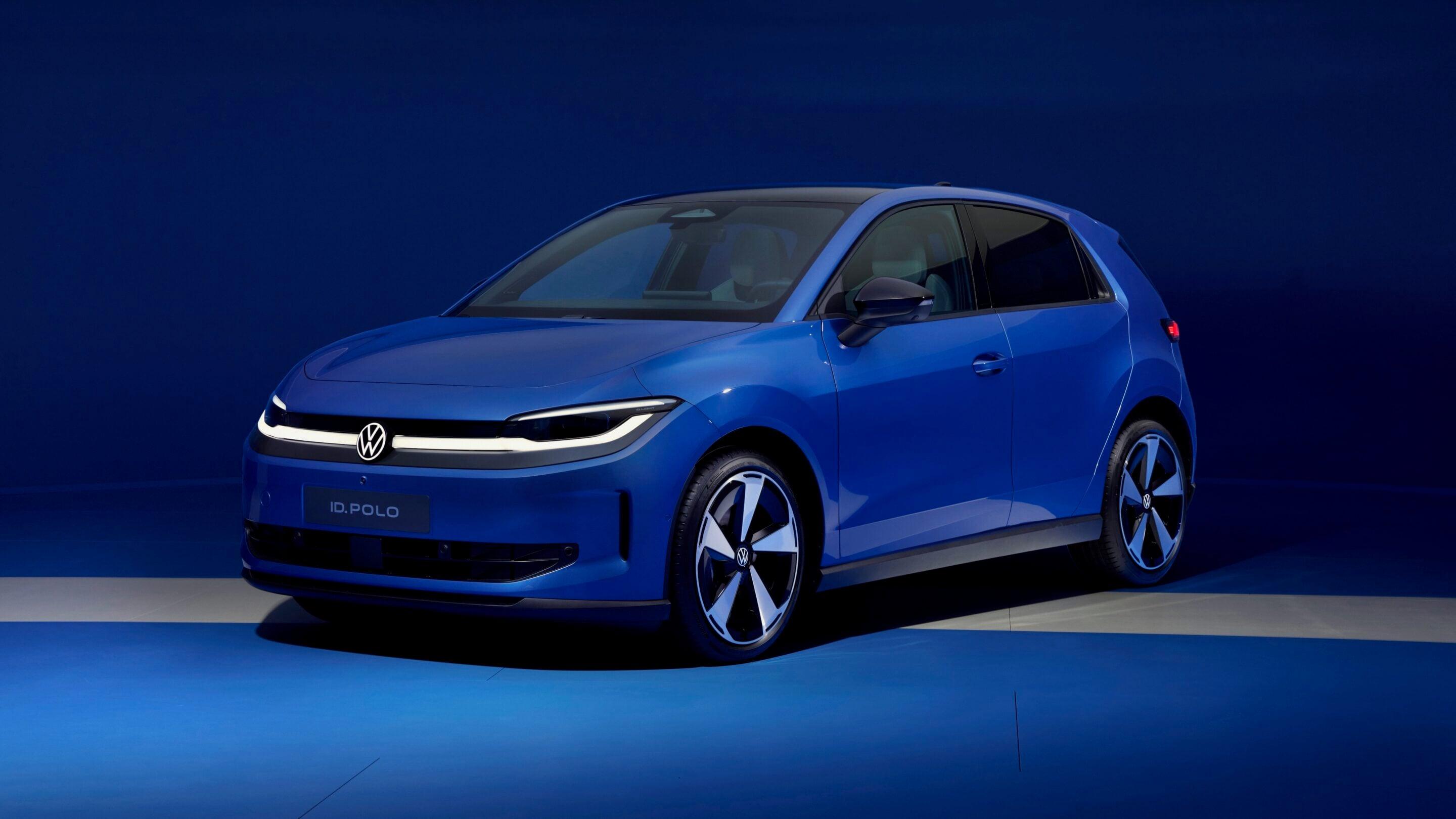
Volkswagen is pursuing a largely EV-focused lineup for European markets while taking a more market-driven approach for Australia. The Volkswagen ID.4 and ID.5 are available here, alongside the incoming Volkswagen Tayron eHybrid. VW Australia has confirmed more electrified products are coming, but the pace will follow buyer demand rather than a mandatory compliance calendar.
The broader VW product strategy involves region-specific approaches. In China, VW offers a range of larger, differently powered vehicles produced with local partners. Those products — some with range-extender hybrid technology — aren't planned for Europe or Australia at this stage.
For Australian buyers, the practical implication is that petrol and hybrid options in the VW lineup will remain available for the foreseeable future. Sander's framing supports that approach: persuade buyers, don't coerce them. That's the commercial approach, and it's also what the VW Australia product calendar reflects.
Carseekers covers the full Volkswagen lineup in Australia with current pricing, availability, and model comparisons to help buyers make informed decisions as the transition evolves.
Considering finance for your next car? Loanseekers can help you explore car loan options.
The finer details
Your questions answered.
Is Australia banning petrol and diesel cars?
No. Australia has no current federal mandate to ban petrol or diesel vehicles. While EV incentives and emissions standards are shaping the market, there is no confirmed date for an ICE ban in Australia. Individual states may set their own targets but no binding prohibition is in place.
Why does the VW executive compare EVs replacing cars to cars replacing horses?
Volkswagen's Martin Sander argues that EVs will replace petrol cars through gradual consumer preference, just as cars replaced horses in the early 20th century without a government ban on horses. His point is that focusing on ban timelines is counterproductive — the better argument for EVs is charging infrastructure, cost savings, and a positive product experience.
Will Volkswagen still sell petrol cars in Australia?
Yes, for the foreseeable future. VW Australia has said its product strategy will follow customer demand rather than mandatory compliance timelines. Petrol, hybrid, and plug-in hybrid options will remain available alongside the growing EV range.
How is EV adoption going in Australia in 2026?
EV adoption has accelerated in 2026, partly driven by higher fuel prices following the Hormuz Strait disruption. SUV EV sales were up 150 per cent year-on-year as of mid-2026. EVs now represent around 16-20 per cent of monthly new car sales, depending on the month, compared to low single digits just three years ago.
Are EVs available in regional Australia?
Yes, but with more planning required. Charging infrastructure outside major cities remains sparser, which makes range planning more important for regional buyers. Models with longer real-world range — generally 450km+ — and DC fast-charging capability are better suited to regional Australian conditions.
What Volkswagen EVs are currently available in Australia?
The Volkswagen ID.4 and ID.5 are available in Australia, along with the Tayron eHybrid as a plug-in hybrid option. VW Australia has confirmed more electrified products are coming, though timing and specific models depend on demand rather than a fixed compliance schedule.