Volvo Car Australia has confirmed the battery modules needed to fix over 3,300 recalled EX30 electric SUVs are on their way to the country after a logistics delay pushed the arrival past the originally expected mid-May date.
For EX30 owners who have been living under a 70 per cent charging restriction for months, the end of the wait is approaching. Here's what the repair process looks like and what owners need to do.
What the Recall Is About
The Volvo EX30 was recalled in Australia for a battery fault that could lead to vehicle fire. The issue involves cell modules in the high-voltage battery pack that may overheat at high charge levels.
"Due to a manufacturing issue, the cell modules installed in the high voltage battery may overheat at high charge levels. If this occurs, it could lead to a vehicle fire," said Volvo Car Australia in its official recall notices.
The recall started in January 2026 with 2,815 vehicles. A superseding recall in March 2026 expanded the number to 3,344 affected EX30s in Australia. For context, Volvo Car Australia had delivered 3,560 EX30s in total from launch through to the end of February 2026. That means the overwhelming majority of every EX30 in Australia needs the fix.
Globally, the recall covers more than 40,000 EX30s across multiple markets.
The Interim Fix: Charge to 70 Per Cent Only
While waiting for replacement parts, Volvo has instructed all EX30 owners to keep the battery charge level below 70 per cent. This reduces the risk of overheating by keeping the cells out of the high-state-of-charge zone where thermal issues are most likely to occur.
Volvo has now sent direct communications to affected EX30 owners reminding them of the 70 per cent limit and advising that parts are arriving. If you own an EX30 and haven't received this communication, contact Volvo Car Australia Customer Care on 1300 787 802.
The charging restriction is a meaningful inconvenience for daily use. The EX30 has a usable battery capacity of approximately 49kWh in the standard range or 64kWh in the extended range variant. Capping at 70 per cent reduces that to approximately 34kWh or 44kWh respectively, trimming real-world range from around 300-440km to approximately 215-310km. For urban driving that's manageable. For longer trips between cities, it requires more careful planning.
How the Repair Process Will Work
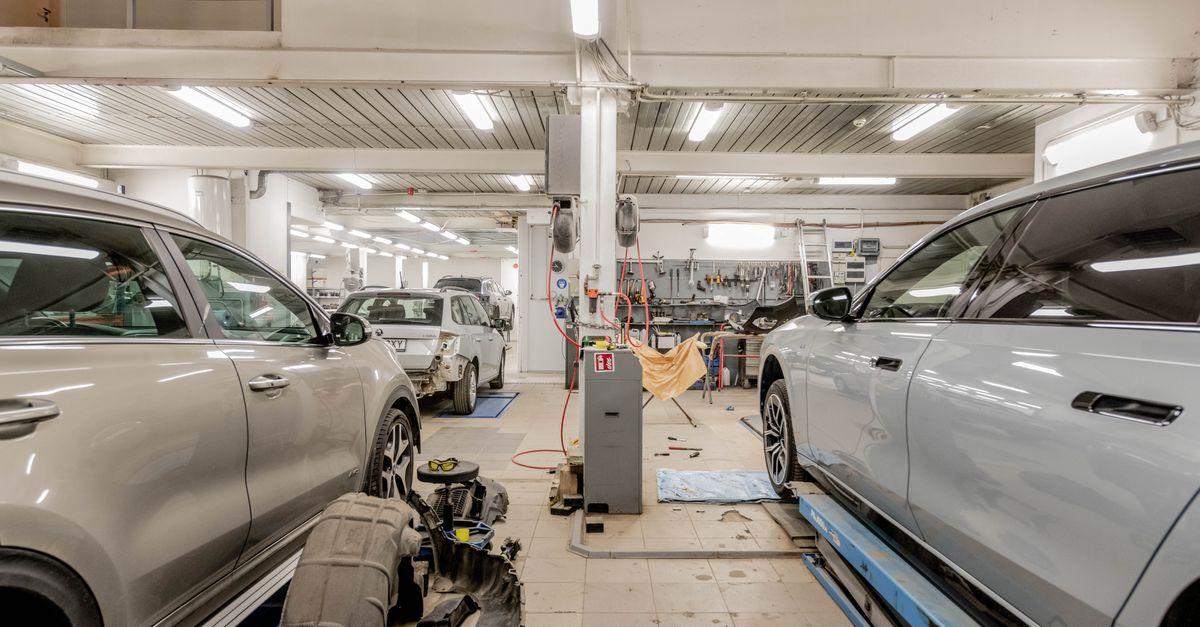
The replacement parts are physically battery modules rather than the full battery pack. Volvo has confirmed the components are en route and estimated to arrive in Australia within a couple of weeks from late May 2026.
The repair rollout will be phased rather than simultaneous. Not every dealer will receive stock at the same time, and Volvo will prioritise vehicles based on factors it hasn't specified publicly, which may include severity of use patterns or vehicle registration dates.
"As parts arrive and are distributed across the Volvo Cars authorised retailer network, repairs will be scheduled progressively in a phased and prioritised manner," said a Volvo Car Australia spokesperson. "Further communication will follow with additional details on next steps and the repair booking process. Volvo Car Australia will contact the affected owners directly when their vehicle is ready to be scheduled for repair."
The key message: don't call your dealer to book a repair appointment yet. Volvo will contact you when your vehicle's slot is available. Using Volvo's 1300 787 802 Customer Care line is the correct channel if you have questions in the meantime.
Where the Problem Comes From
The batteries in the EX30 are sourced from Shandong Geely Sunwoda Power Battery Co, a joint venture backed by Geely, which is also Volvo's parent company. The manufacturing issue that led to this recall is a cell module defect, not a design flaw in the battery chemistry itself.
This is important context for prospective buyers. LFP (lithium iron phosphate) batteries like those used in the EX30's standard range variant are generally regarded as thermally safer and more durable than nickel-manganese-cobalt alternatives. The recall is a manufacturing quality issue, not an inherent technology problem. Once the affected modules are replaced, the risk is resolved.
The EX30's Platform Context
The EX30 rides on Geely's Sustainable Experience Architecture (SEA) platform, which underpins several other models in the broader Geely group, including the Smart #1, Smart #3, and the Zeekr X. The SEA platform is engineered in China and used across the Geely empire's expanding global footprint.
The shared platform raises a practical question: are the other SEA-based vehicles affected by the same battery issue? As of this reporting, the recall is specific to the EX30 and the Shandong Geely Sunwoda cell modules used in that model. Buyers of the Smart #1, Smart #3, or Zeekr X don't need to act on this specific recall, but should monitor their own manufacturer communications for any related notices.
Not the Only EV Fire Risk Recall in Australia
The Volvo EX30 recall sits within a wider pattern of battery safety issues that have emerged across the EV industry in Australia over the past few years. Audi, Cupra, Hyundai, Jaguar, Mercedes-Benz, Mini, and Porsche have all issued recalls for battery-related fire risks on various models.
This isn't unique to the EV transition. Combustion vehicles have been recalled for fire risks from fuel leaks, engine faults, and electrical system failures for decades. What's different with EV battery recalls is that the interim mitigation measure, charging restrictions, changes how owners use their car while waiting for the fix. A combustion engine fire recall doesn't usually require you to drive with a partial tank.
For the EV market to mature, the industry needs to demonstrate faster recall response times and more reliable parts supply chains. The delay from January 2026's initial recall to parts arriving in late May or early June is over four months. That's a long time for owners to be managing their vehicle usage around a safety limitation.
What Prospective EX30 Buyers Should Know
If you're considering buying a Volvo EX30 now, the recall fix is imminent. Once the battery modules are replaced, the fire risk is resolved and the 70 per cent charging restriction lifts. Buying a car that's either already been fixed or is waiting for a scheduled fix is not a reason to walk away from the model.
The EX30 remains one of the more competitively priced compact electric SUVs in the Volvo lineup. It sits below the larger XC40 in the range and offers Volvo's characteristic interior quality and safety focus in a smaller footprint.
For those interested in seeing how Volvo's EV lineup is evolving, the 2027 EX60 is priced from $86,990 in Australia and represents the mid-size step in Volvo's growing EV range.
Carseekers will update this article if the parts arrival timeline changes or if Volvo announces adjustments to the repair priority process.
Key Actions for EX30 Owners Right Now
If you own an affected EX30, here's what to do.
First, keep charging the battery to a maximum of 70 per cent until the repair is completed. This is Volvo's official guidance and the most important risk mitigation step. Second, wait for direct contact from Volvo Car Australia about your specific repair booking slot. Don't call the dealer to try to book in advance as the phased distribution means slots aren't yet available across the network. Third, if you have questions or concerns in the meantime, call Volvo Car Australia Customer Care on 1300 787 802. Fourth, once the repair is completed and you receive written confirmation, the 70 per cent restriction is lifted and you can resume normal charging.
The wait has been frustrating. Four months of modified vehicle use due to a manufacturing defect in the battery is a legitimate grievance. But the fix is coming, and Volvo has been transparent about the timeline, the cause, and the interim restrictions throughout the process.
Considering finance for your next car? Loanseekers can help you explore car loan options.
The finer details
Your questions answered.
Is my Volvo EX30 affected by the battery recall in Australia?
The recall affects 3,344 EX30s in Australia. Given that only 3,560 EX30s had been delivered by the end of February 2026, the vast majority of EX30s in the country are affected. If you've received direct communication from Volvo Car Australia, your car is on the recall list. Call 1300 787 802 if you're unsure.
What should I do while waiting for the Volvo EX30 battery fix?
Volvo's official instruction is to charge your EX30 to a maximum of 70 per cent until the battery module replacement is completed. Do not charge above that level. Wait for Volvo Car Australia to contact you directly about booking a repair slot as the phased rollout means not all dealers have parts yet.
When will the Volvo EX30 recall repair happen?
Replacement battery modules are expected to arrive in Australia in the weeks following late May 2026, after a logistical delay pushed back the original mid-May arrival. Volvo will roll out repairs in a phased manner, contacting owners directly when their repair booking slot is available.
Is the Volvo EX30 safe to drive now with the recall?
Yes, with the charging restriction in place. Volvo has advised owners to keep the battery below 70 per cent state of charge, which reduces the risk of the cell modules overheating. The car is considered safe to drive under these conditions while awaiting the physical repair.
Does the recall affect other Volvo models in Australia?
No. The recall is specific to the EX30 and the Shandong Geely Sunwoda battery cell modules used in that vehicle. Other Volvo models in Australia are not affected by this specific recall.
Should I avoid buying a used Volvo EX30 because of this recall?
Not necessarily. The recall fix, once completed, fully resolves the issue. When buying a used EX30, ask the seller to confirm whether the battery module replacement has been carried out and request written documentation from Volvo. If the repair hasn't been done yet, factor the timing into your negotiation and plan to have it completed promptly.