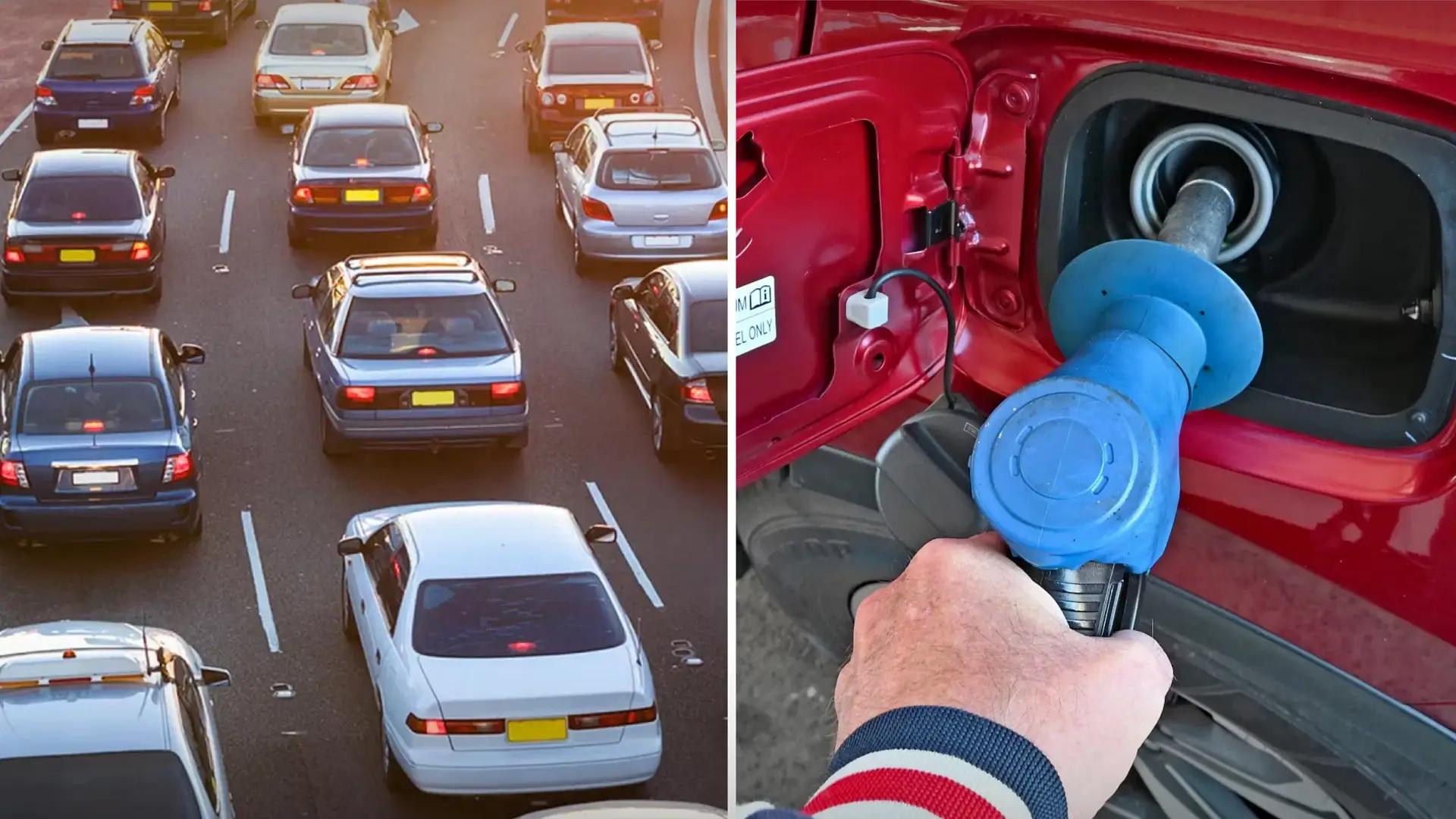

Three months of pump relief is about to end. The Federal Government has confirmed the fuel excise cut will lapse on 1 July as scheduled, restoring the full 52.6 cents per litre on petrol and diesel. The 32.4c heavy vehicle road user charge for buses and trucks also returns. And in the background, work continues on a nationwide road user charge that would tax every driver by the kilometre, not just by the litre of fuel they buy. Both petrol drivers and EV owners are in the firing line.
What changes on 1 July
Since 1 April, the fuel excise has been halved to 26.3 cents per litre. The cut was designed as a three-month cost-of-living measure, and Treasury wants the $2.9 billion it has lost back. From 1 July, the full excise returns to 52.6c per litre, adding around $21 to a typical 80-litre tank for a Ford Ranger or Ford Everest driver, and around $13 to a typical 60-litre tank for a small SUV.
That is before the global oil price moves. Diesel was already running above $2.50 per litre nationally in May 2026, with parts of regional Australia seeing more than $3.50. Restoring the full excise will sting most for ute and large SUV buyers, who already burn through more fuel per kilometre than the rest of the market.
The road user charge is the bigger story
The Government has openly committed to developing a road user charge for electric vehicles, framed as ensuring fair and sustainable funding for road investment as fuel tax revenue declines. Hybrid and electric cars now make up 46 per cent of new vehicle deliveries in Australia. That figure is rising fast, and every EV that displaces a petrol or diesel car is a tank of fuel no longer being taxed.
Budget documents make the rationale plain. Fuel excise revenue is forecast to climb 24 per cent in 2026 to 2027 once the cut ends, to $28.26 billion, but growth slows sharply after that. By 2030 to 2031, the increase is just 3.5 per cent a year. Without a new revenue stream, the road maintenance budget faces a real-terms decline. A road user charge is the Treasury's preferred fix.
Why the High Court matters
This is not a new conversation. Victoria introduced its own road user charge for electric and plug-in hybrid cars in 2021. The High Court struck it down in 2023, ruling that only the Federal Government has the power to levy such a tax. That ruling is exactly why the current process has to be a federal one, coordinated with the states and territories.
The practical implication is that any road user charge will need cross-jurisdictional buy-in. Vehicle registration is state-managed, fuel excise is federal, and a per-kilometre tax sits between the two. Expect a slow rollout, not a flick of a switch, but the policy intent is clear. The Government is going to charge EV drivers by the kilometre.
How EV buyers should think about this
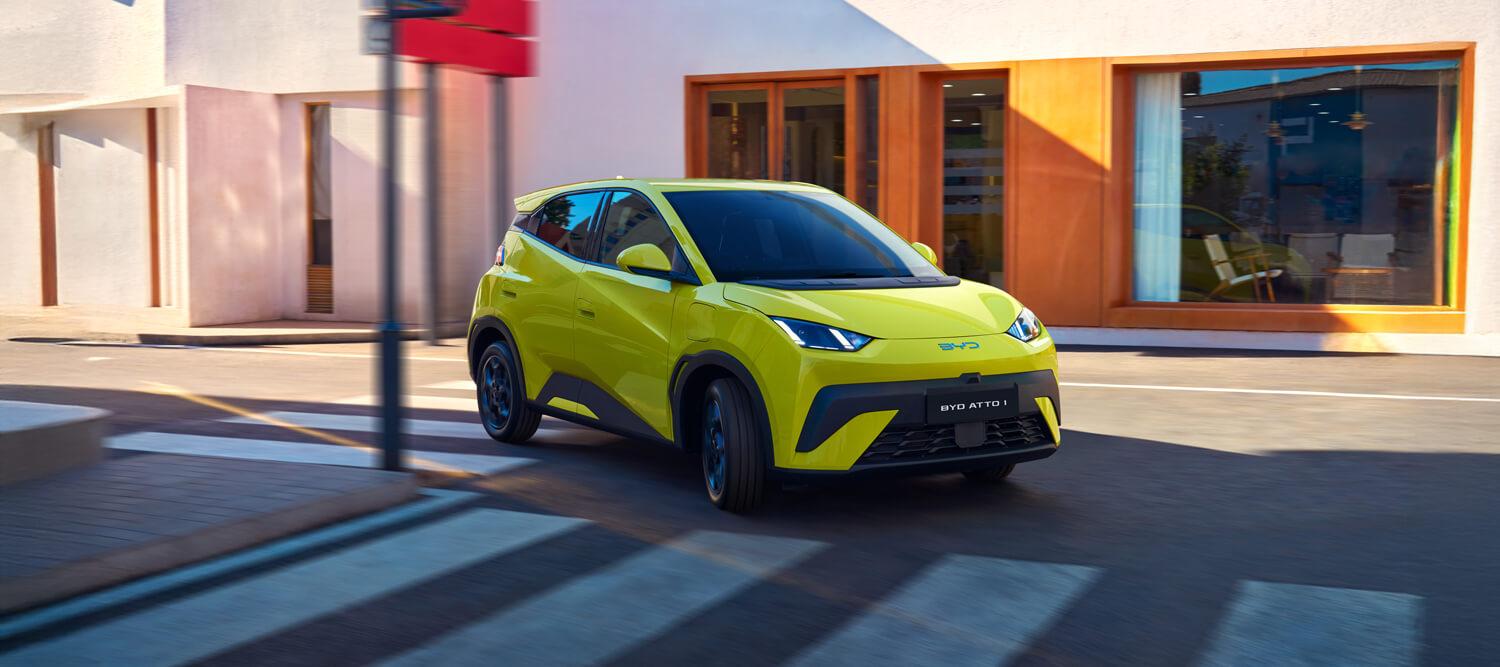
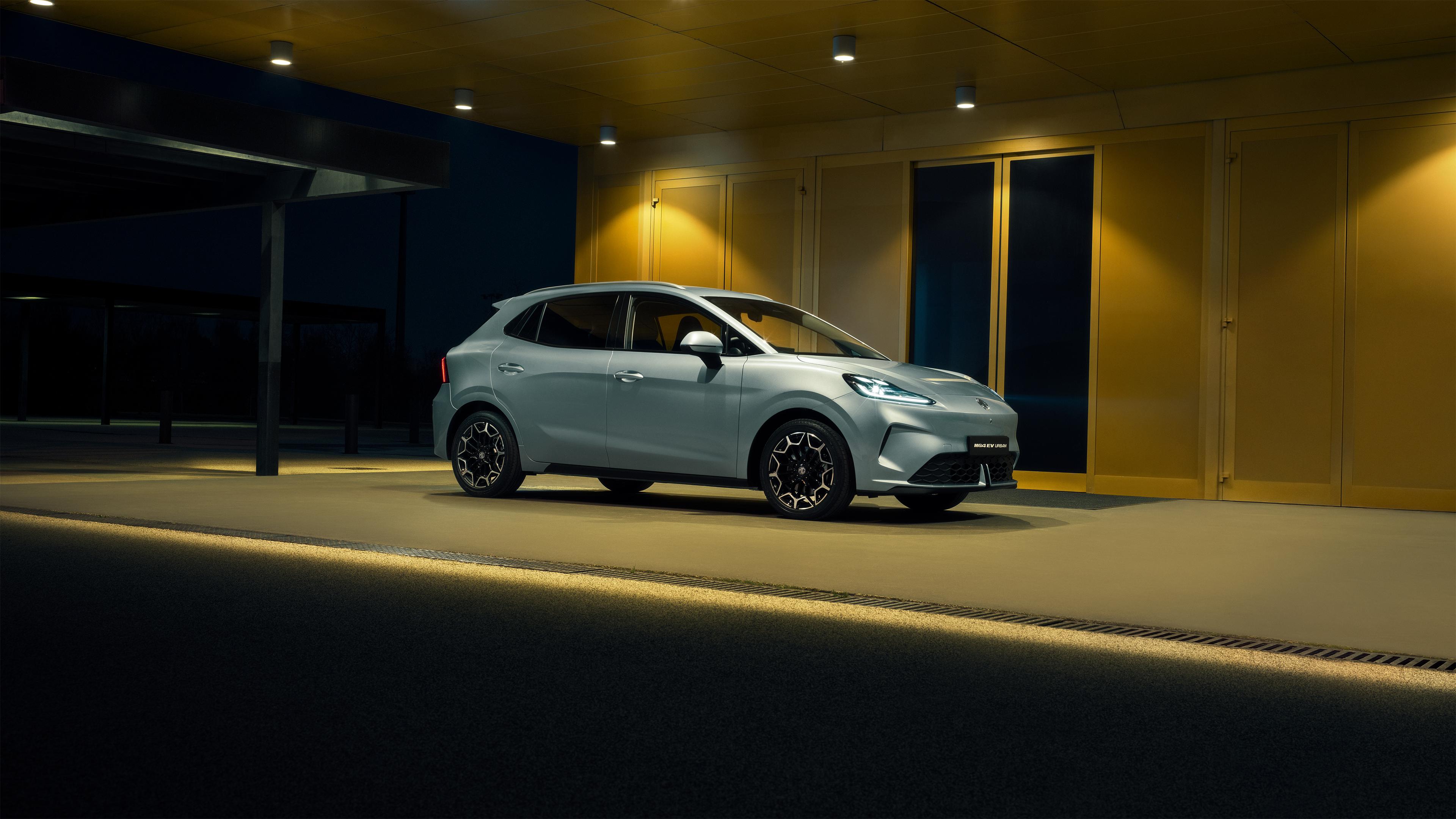
For anyone considering an EV in 2026 or 2027, the cost picture is shifting. The headline running cost saving from electricity over petrol is significant today, particularly for households charging on solar. That saving narrows once a per-kilometre tax is introduced. Early modelling from other markets has road user charges sitting around 2 to 3 cents per kilometre, which is roughly equivalent to the fuel excise on a petrol car doing 8L per 100km.
This matters because the FBT exemption for novated-leased EVs is also being wound back. Two of the three big EV cost advantages, lower running costs and tax-free salary packaging, are being trimmed at once. The third, lower servicing, is real but smaller in dollar terms. EV buyers should still run the maths in their favour for most use cases, but the gap is closing faster than most expect.
Dealers and the fuel excise reset
If you are car shopping in June, watch how dealers position fuel cards and running cost claims. The current $5000 Ford Ranger fuel card and $4000 Ford Everest offer are calibrated to the halved excise. From 1 July, the same fuel card buys you fewer kilometres of driving. Diesel ute buyers especially should not let a quoted lifetime cost-of-ownership figure go unchecked. Ask the dealer for their workings, including which excise rate they used.
The same applies to the Toyota RAV4 and Mazda CX-5 comparison. Petrol running costs in any quoted total cost of ownership calculation should use the post-1-July fuel price, not the May 2026 number.
What this means for the EOFY window
End of financial year deals are stacking up across the market right now. The Mitsubishi ASX has had $5000 cut for EOFY, with Outlander and Triton deals attached. GWM has dropped up to $4000 from its Cannon, Haval and Tank line-up. Petrol and diesel buyers should aim to take delivery before 1 July if they can, since the post-excise-cut running cost figures will hit harder than expected.
EV buyers face the inverse pressure. Lock in the current FBT exemption rules and pre-road-user-charge running costs while you still can. The April 2027 FBT changes are 11 months away, but the supply chain on the most affordable EVs is already tight. Carseekers is tracking the policy shifts and the deals that respond to them.
The road ahead
The Government has framed the fuel excise return as routine policy. The road user charge work is less routine and represents a genuine restructuring of how Australian motorists pay for the roads they use. The detail will matter. How the charge interacts with state registration fees, whether plug-in hybrids are taxed at the same rate as pure EVs, and what happens to low-income or regional drivers, are all yet to be answered.
For now, the practical takeaway is simple. Pump prices return to normal on 1 July. EV ownership economics will be slightly worse from April 2027. The smartest car-buying window of 2026 is right now, between EOFY discounting and the excise reset.
Considering finance for your next car? Loanseekers can help you explore car loan options.
The finer details
Your questions answered.
When does the fuel excise cut end in Australia?
The 50 per cent fuel excise cut ends on 1 July 2026 as scheduled, restoring the full 52.6 cents per litre on petrol and diesel. The 32.4 cents per litre heavy vehicle road user charge for buses and trucks also returns to its pre-cut level on the same date.
How much will the fuel excise return add to a tank of petrol?
The excise will lift by 26.3 cents per litre from 1 July. That is around $21 added to a typical 80-litre tank for a Ranger or Everest driver, and around $13 added to a typical 60-litre fill for a small SUV. Pump prices will move further based on global oil and diesel markets.
Is Australia introducing a road user charge for EVs?
Yes. The Federal Government has openly committed to developing a national road user charge for electric vehicles, in coordination with states and territories. Victoria tried introducing its own version in 2021 but was overturned by the High Court in 2023, which ruled only the federal level can impose such a tax.
Will a road user charge make EVs more expensive to run in Australia?
Yes, modestly. Early estimates from comparable markets put the per-kilometre charge at around 2 to 3 cents, roughly equivalent to the fuel excise paid by a petrol car doing 8L per 100km. EVs will still have lower running costs than petrol equivalents, but the gap will narrow once the charge is in place.
When will the EV road user charge actually start in Australia?
No start date has been set. The policy is still in development and requires coordination between the Federal Government and the states, which manage vehicle registration. A realistic earliest start window is 2027 to 2028. Pending FBT exemption changes from April 2027 are the more immediate cost shift for EV buyers.
Should I buy a new car before 1 July to avoid the fuel excise return?
Taking delivery does not change the excise you pay at the pump. But EOFY deals in May and June 2026 are sharp on utes and large SUVs whose owners are most exposed to fuel cost. Lock in a drive-away price that reflects current running costs, and use the lower fuel quote to negotiate harder.