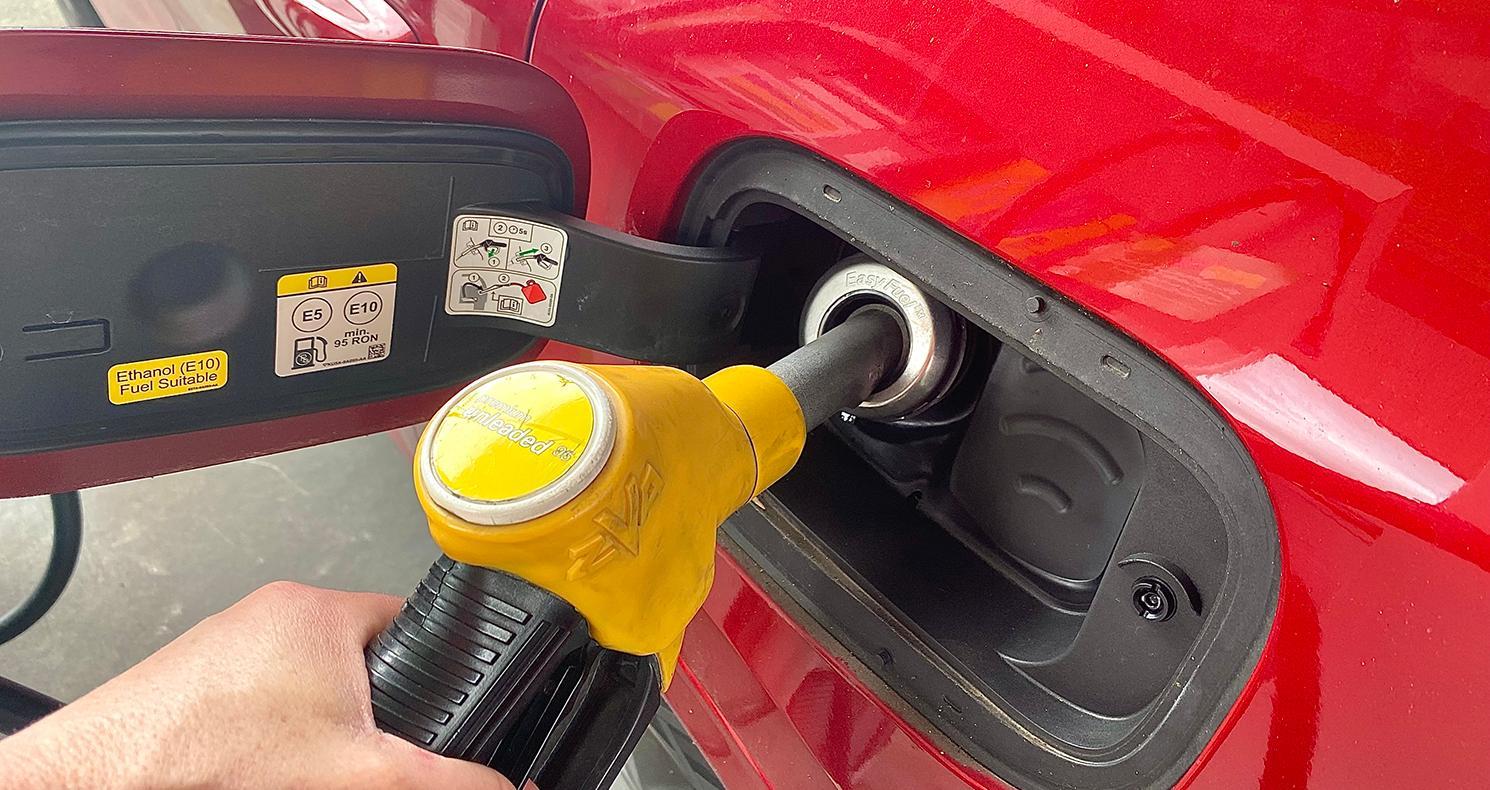
The fuel excise relief that has softened the blow at the bowser since March is about to disappear, and most coverage stops there. But the return of the excise on July 1 is only half the story. There is a second, larger force building behind it that could send petrol and diesel prices well past where they were.
If you have been enjoying the breathing room at the pump, this is the moment to understand what is coming and to think hard about your next vehicle. Because the cars that make sense in cheap-fuel years are not the cars that make sense in the year ahead.
The excise relief is ending, and that is only half the story
Back on March 30, the government halved the fuel excise, cutting 26.3 cents per litre off petrol and diesel to ease the pressure caused by conflict in the Middle East and the blockage of the Strait of Hormuz. That relief was always temporary, set to run for April, May and June.
On July 1, the excise is due to snap back. The government has said it will review the move closer to the date, but the default is that the cut ends. When it does, prices climb again, and not by a small amount.
Where pump prices sit right now
At the height of the crisis, 98 RON premium unleaded was averaging 270 cents per litre and diesel was hovering around 320 cents in New South Wales. Painful numbers by any measure.
Right now, with the relief in place and supply steadier, 98 RON is averaging about 210 cents and diesel around 225 cents in NSW. If the excise simply returned today with everything else unchanged, we would be looking at roughly 240 cents for 98 RON and 260 for diesel.
That alone is a meaningful hit to a household budget. But the assumption that everything else stays unchanged is exactly the problem.
Why prices could jump well beyond the excise
There are two forces that could push prices far higher than the excise return on its own. The first is that the conflict is not over and freedom of navigation through the Strait of Hormuz has not been restored. The supply risk that started all this is still live.
The second is subtler but just as serious. Even if shipments returned to normal tomorrow, Australia is months behind on deliveries. The tankers that feed the refineries in Singapore and Malaysia run on a constant conveyor, and that conveyor has been disrupted. You cannot instantly refill a pipeline that takes weeks to flow.
When the buffer that keeps the system running quietly in the background gets thin, prices do not rise gently. They spike. That is the scenario worth preparing for, not the tidy 240-cents-a-litre arithmetic.
The reserve numbers that should worry you
The government has been securing fuel directly from refining nations, including 100 million litres of jet fuel from China in May and 100 million litres of diesel in April. That sounds reassuring until you see the consumption figures.
Australia burns through about 90 million litres of diesel every single day, plus roughly 43 million litres of petrol and 28 million litres of jet fuel. A 100-million-litre deal, in that light, is barely more than a day of supply.
As of late May, the country had around 43 days of petrol and 38 days of diesel in reserve. Slightly better than earlier in the year, but these are not comfortable buffers for a nation this dependent on imported fuel. When the margin is measured in weeks, any fresh disruption flows straight to the pump.
What this means for your next car
Here is where it gets personal. If you are buying a car this year, the fuel outlook should weigh heavily on the decision. A thirsty petrol or diesel vehicle that looked fine in a cheap-fuel year becomes an expensive mistake if prices spike and stay high.
This is not about panic. It is about matching the car to the era. Big, fuel-hungry engines made sense when petrol was cheap and supply felt limitless. Neither of those conditions holds right now, and the trend points the wrong way.
If you do a lot of kilometres, the running-cost gap between an efficient car and a thirsty one can run to thousands of dollars a year. Over a typical ownership period, that difference can dwarf any saving you made on the purchase price.
The hybrid and EV case just got stronger
The obvious hedge against fuel-price chaos is to use less fuel, or none. Hybrids cut consumption sharply for buyers not ready to plug in, and EVs sidestep the bowser entirely while also being cheaper to service.
The old objections are fading fast. Range anxiety is only a real concern if you cover huge daily distances, and newer EVs deliver a genuine 300 to 500km of real-world range. Affordability has improved too, with brands like BYD, Geely and MG bringing electric prices within reach. The MG S5 EV and the Geely EX5 are exactly the kind of cars that now make sense as a daily driver.
It is no accident that BYD recently rushed to ship 30,000 cars into Australia as fuel prices surged. The brands selling efficiency know precisely why demand is climbing, and they are positioning for it.
How to protect your household budget now
If you cannot change cars immediately, there are still moves worth making. Lean on the most efficient vehicle in your household for daily duties and park the thirsty one for when it is truly needed. Plan your fill-ups around the price cycle rather than topping up on impulse.
For your next purchase, run the numbers honestly on fuel. If you are weighing petrol against hybrid or electric, factor in a future where pump prices are higher and more volatile than today, because that is the more likely world. Buyers who want a cheap petrol runabout can still find value too, as we covered in our look at the cheapest cars to fuel in Australia.
Nobody can tell you exactly where prices land after July 1. But the direction is clear, the buffers are thin, and the smart play is to assume the worst on fuel and choose your next car accordingly. The team at Carseekers can help you compare the real running costs across petrol, hybrid and electric so the decision is based on numbers, not guesswork.
Considering finance for your next car? Loanseekers can help you explore car loan options.
The finer details
Your questions answered.
When does the fuel excise relief end in Australia?
The halved fuel excise is due to return in full on July 1, 2026, after a three-month relief period covering April, May and June. The government has said it will review the decision closer to the date, but the default is that the 26.3 cents per litre cut ends.
How much will petrol prices rise when the excise returns?
If the excise simply returned with nothing else changing, 98 RON could climb to around 240 cents per litre and diesel to about 260 cents in NSW, up from roughly 210 and 225 cents now. But thin reserves and ongoing supply risk could push prices considerably higher.
How much fuel does Australia have in reserve?
As of late May 2026, Australia held around 43 days of petrol and 38 days of diesel in reserve. The country burns about 90 million litres of diesel, 43 million litres of petrol and 28 million litres of jet fuel every day, so the buffers are thin for an import-dependent nation.
Should I buy a hybrid or EV because of rising fuel prices?
If you cover serious kilometres, the running-cost gap between an efficient car and a thirsty one can run to thousands of dollars a year. With fuel prices rising and volatile, hybrids and EVs are a strong hedge. Affordable options from BYD, Geely and MG now make the switch realistic.
Why could fuel prices spike beyond the excise increase?
Two reasons. The conflict in the Middle East is not resolved and the Strait of Hormuz remains a risk, and Australia is months behind on tanker deliveries to regional refineries. When the supply buffer runs thin, prices tend to spike rather than rise gently.
How can I protect my budget from rising fuel prices?
Use the most efficient vehicle in your household for daily driving, plan fill-ups around the price cycle, and weigh fuel costs heavily on your next purchase. Assume a future of higher, more volatile prices and compare petrol, hybrid and electric on real running costs.