
A diesel that out-torques the Ford V6
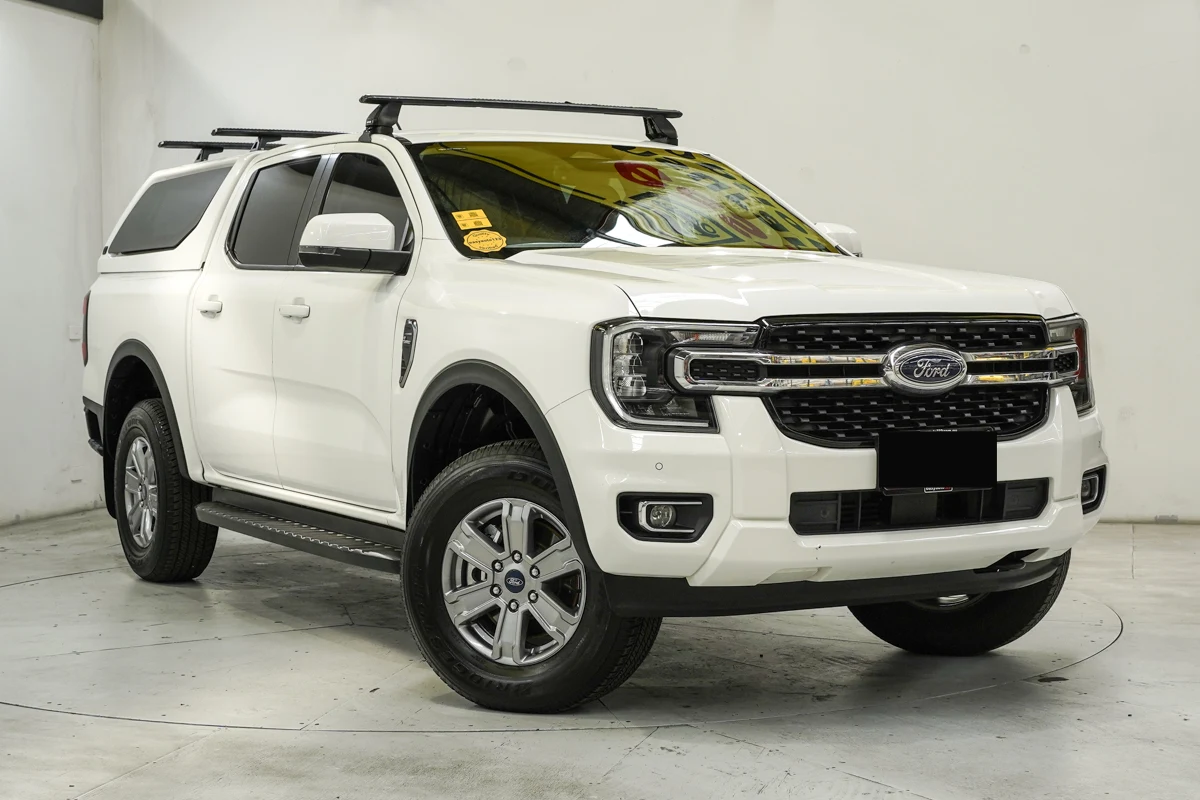
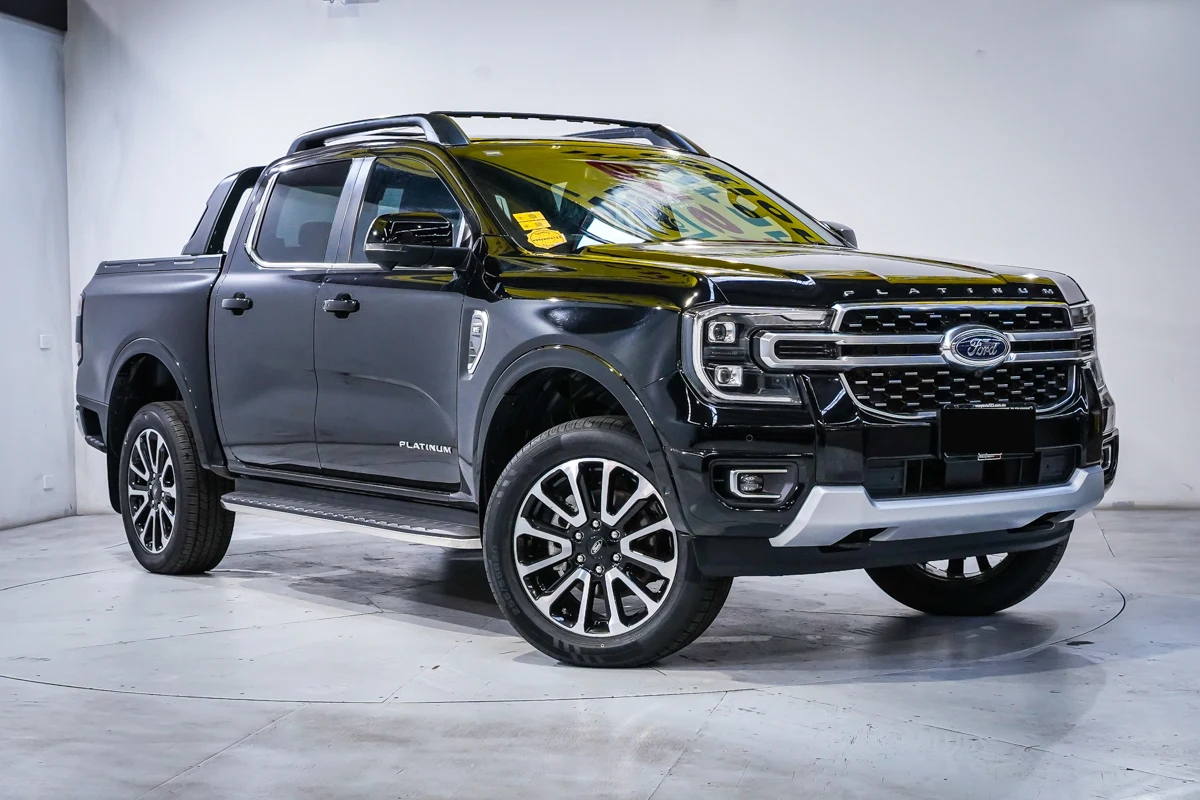
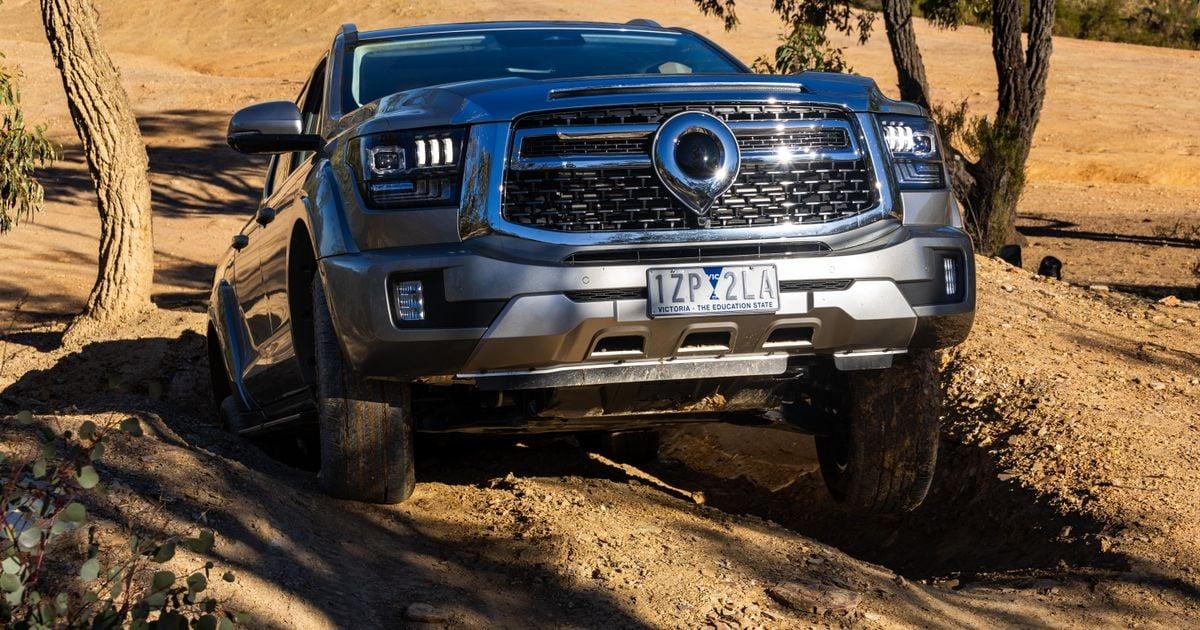
GWM has detailed its new 3.0-litre turbo-diesel four-cylinder, and it changes the conversation about what a Chinese ute can deliver. The engine will arrive in Australia later this year in the Tank 500 large SUV and Cannon Alpha ute, producing 170kW of power and 620Nm of torque. That torque figure beats the Ford Ranger and Everest V6 by 20Nm, despite using two fewer cylinders.
For context, the Ford engine still wins on power at 184kW, leading the GWM by 14kW. But torque is what matters for towing, hauling and off-road work, and that is where GWM has chosen to fight.
What replaces what
The 3.0-litre diesel is a direct replacement for the current 2.4-litre turbo-diesel four in the Cannon Alpha. That is a meaningful jump: 35kW more power and 140Nm more torque than the engine it replaces. Buyers who held off on the Cannon Alpha because the existing diesel felt under-strength now have a far stronger reason to consider it.
In the Tank 500, the new engine fills a different role. Until now, the Australian Tank 500 has been petrol-hybrid only with a 2.0-litre turbo four backed by an electric motor. That powertrain is now in runout. The 3.0-litre diesel will be the first time Australia gets a diesel Tank 500, which matches what most buyers in the large SUV segment actually want.
Towing and the 3500kg question
Both the new Cannon Alpha and Tank 500 will tow 3500kg braked. The Cannon Alpha already offers that capacity, but for the Tank 500 it is a meaningful upgrade. The current hybrid tops out at 3000kg, which puts it behind the Toyota LandCruiser, Ford Everest and most large body-on-frame rivals. The new diesel fixes that.
For buyers using a Tank 500 as a tow vehicle, the 3500kg rating, combined with 620Nm of torque, makes it competitive on paper with the LandCruiser Prado and Everest. Whether real-world towing performance lives up to the spec sheet is another question, and one we will reserve judgement on until we drive it.
What the Ford comparison really means
GWM has been open about benchmarking the new diesel against the Ford 3.0-litre V6, and the comparison flatters the Chinese engine. But buyers should be careful what they read into a torque advantage.
Ford's V6 is a well-developed unit with a long Australian service history. Diesel V6s typically deliver power more smoothly and last longer than four-cylinder turbo-diesels under heavy use. GWM's new engine has none of that track record yet, and the brand's longer-term reliability story in Australia is still being written.
That said, GWM's warranty and service network have improved meaningfully. The brand has expanded from a handful of dealers to a national network across capital cities and major regional centres, and parts availability has caught up with sales volume. Buyers are no longer taking the same risk they were five years ago.
Fuel economy and emissions
GWM has promised a five per cent improvement in fuel consumption on the NEDC cycle compared with the 2.4-litre diesel, plus a 20 per cent improvement in claimed 0-100km/h. The current 2.4-litre Cannon Alpha consumes 8.9L/100km, which would put the 3.0-litre at roughly 8.5L/100km. Real-world figures will likely be 10-11L/100km under load, which is competitive but not class-leading.
On emissions, GWM has revealed something interesting. In the Tank 500, the new diesel will produce similar CO2 figures to the existing hybrid. That is partly because the hybrid system in the current Tank 500 is heavy and only marginally efficient under highway driving. The brand quoted 199g/km for the hybrid on the combined cycle, just 1g/km less than the Toyota Prado mild-hybrid diesel.
For Australian buyers, this is a useful reminder. Hybrid badges do not automatically translate into low fuel consumption. The way you drive matters more than the powertrain label, especially in heavy four-wheel drives that spend most of their time at highway speeds.
What about the hybrid and PHEV diesel?
The 3.0-litre diesel is designed to be compatible with the hybrid and plug-in hybrid systems GWM is developing. The brand plans to launch diesel-electric powertrains in China in early 2027, with Australia likely to follow.
A diesel PHEV ute or large SUV would be a genuinely interesting product. The combination of diesel torque, electric motor responsiveness and plug-in range works particularly well for towing and remote travel. The current PHEV ute segment is petrol-only, and a diesel-PHEV would carve out its own niche.
But Australian arrival timing is the uncertain piece. GWM has flagged 2027 for China, and Australian launches typically lag by 12 to 18 months. That puts a diesel PHEV Tank 500 or Cannon Alpha into 2028 at the earliest.
Pricing and what to expect
GWM has not confirmed Australian pricing for the 3.0-litre variants. The current Cannon Alpha 2.4-litre diesel starts in the mid-$50,000 range drive-away, and the Tank 500 hybrid sits in the high-$60,000s. The new diesel variants will likely sit at small premiums above those numbers, with the headline being a meaningfully stronger powertrain rather than a luxury positioning.
For comparison, a Ford Everest V6 diesel starts above $73,000 and ranges into the $90,000s in Platinum trim. If GWM holds Tank 500 diesel pricing close to the current hybrid, it will offer significant value against the Ford on paper.
Dealer behaviour to watch
Q3 2026 is a key arrival window, which means dealers will be juggling inventory of the outgoing 2.4-litre Cannon Alpha and the runout Tank 500 hybrid right through winter. Both vehicles will become harder to move once the new diesel arrives, which gives buyers leverage on existing stock from June onwards.
If the existing 2.4-litre diesel still suits your needs, August or September could deliver the sharpest pricing of the year on Cannon Alpha. The Tank 500 hybrid will follow a similar pattern. Carseekers buyers regularly find runout pricing offers a faster route to genuine savings than waiting for new-model launch incentives, which often take months to materialise.
Should you wait?
If you are shopping today and need a large diesel ute or SUV, the new GWM engine deserves to be on your list, but only when it actually arrives. Pre-order pricing on Chinese-brand vehicles in Australia is rarely better than launch-day drive-aways, and the brand has not asked buyers to commit early on this one.
The smarter play is to test the existing Cannon Alpha or Tank 500 if you can find sharp runout pricing, or wait until October to drive the new diesel and see whether the spec-sheet torque advantage translates to real-world performance. Either way, the 3.0-litre marks the moment GWM stops being a budget alternative in the body-on-frame segment and becomes a genuine technical contender.
Considering finance for your next car? Loanseekers can help you explore car loan options.
The finer details
Your questions answered.
When will the GWM 3.0-litre diesel arrive in Australia?
GWM has confirmed the new 3.0-litre turbo-diesel four for arrival in the third quarter of 2026 (July to September). It will land in both the Cannon Alpha ute and Tank 500 large SUV, replacing the current 2.4-litre diesel and 2.0-litre petrol hybrid respectively.
How much torque does the GWM 3.0-litre diesel produce?
The new GWM 3.0-litre turbo-diesel produces 170kW of power and 620Nm of torque. That's more torque than the Ford Ranger and Everest's 3.0-litre V6 diesel (600Nm), although the Ford engine still leads on power at 184kW.
Is the GWM 3.0-litre diesel better than the Ford Ranger V6?
It depends on what matters to you. GWM wins on torque by 20Nm, while Ford holds a 14kW power advantage. The Ford engine has a longer Australian service track record, but GWM's warranty and dealer network have improved significantly in recent years.
How much will the new diesel GWM Tank 500 cost in Australia?
GWM hasn't confirmed pricing yet, but the existing Tank 500 hybrid sits in the high-$60,000s drive-away. The new diesel variant will likely sit at a small premium, putting it well below a Ford Everest V6 diesel which starts above $73,000.
Will GWM offer a diesel PHEV in Australia?
Yes, but not soon. GWM has confirmed it will launch diesel-hybrid and diesel-PHEV powertrains in China starting in early 2027, with Australia expected to follow. A diesel PHEV ute would be a genuine first for the local market.
Should I wait for the new GWM diesel or buy the current Cannon Alpha now?
If you can wait until late 2026, the new 3.0-litre offers significantly more performance and a higher towing rating in the Tank 500. If you need a ute sooner, runout pricing on the current 2.4-litre Cannon Alpha through mid-2026 should deliver some of the sharpest GWM deals of the year.